German Empire / World War I
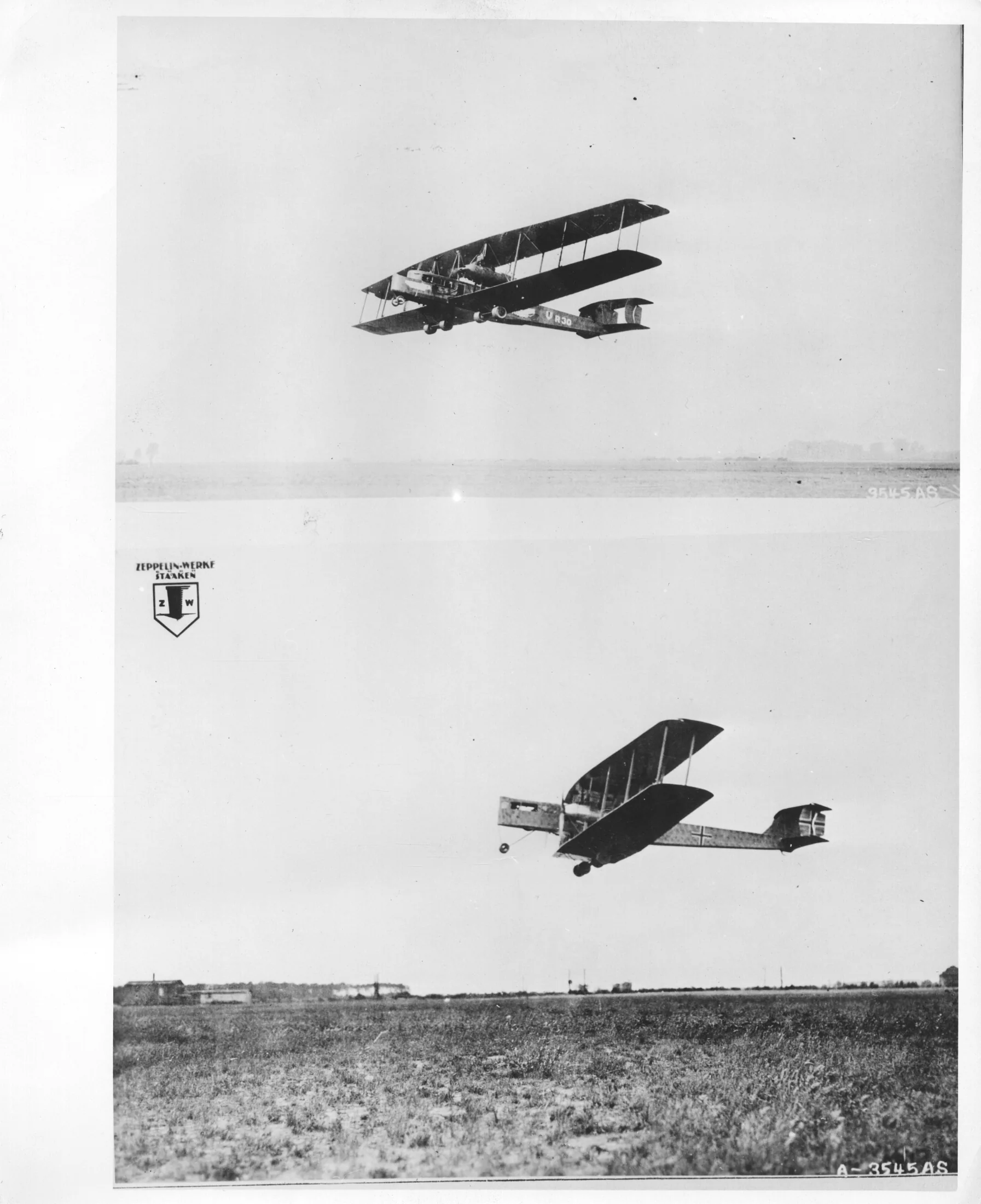
Zeppelin-Staaken R.VI
A four-engine German Riesenflugzeug heavy bomber used for long-range night attacks, including raids against Britain.
Open aircraft profile →Browse the 115 Air Archive families whose primary recorded role is bomber.
Try a shorter designation, a broader era, or clear one of the filters.
A four-engine German Riesenflugzeug heavy bomber used for long-range night attacks, including raids against Britain.
Open aircraft profile →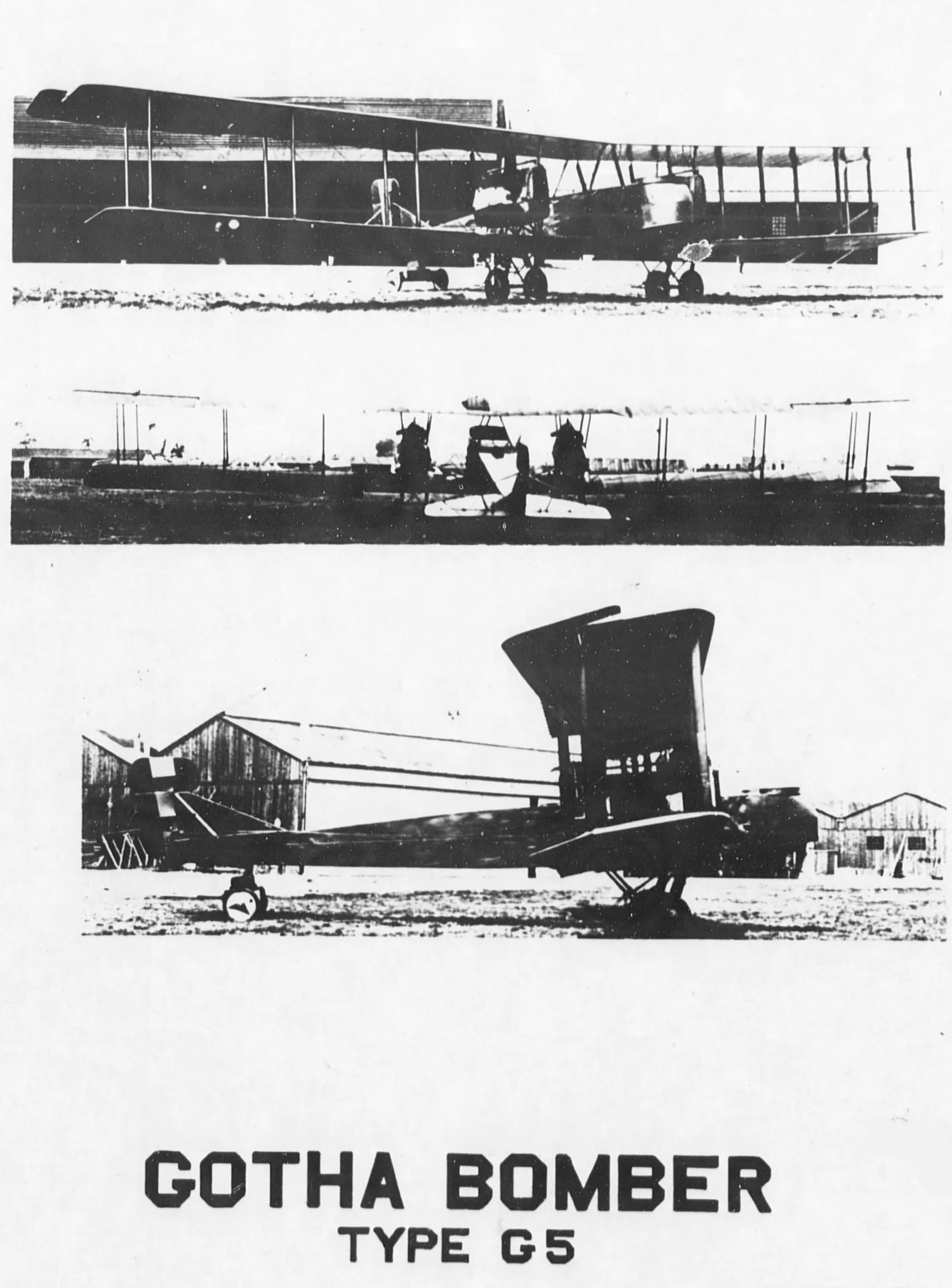
A German twin-engine heavy bomber used in the strategic bombing campaign against Britain during the First World War.
Open aircraft profile →
A large British heavy night bomber that formed a mainstay of RAF interwar bomber strength through much of the 1920s and 1930s.
Open aircraft profile →
A wooden-structured British heavy night bomber introduced in the mid-1920s as part of the RAF’s interwar bomber force.
Open aircraft profile →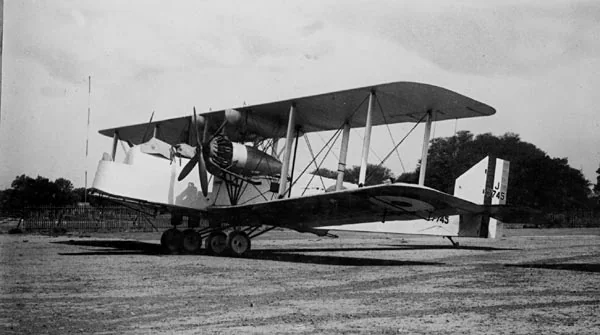
An all-metal-structured development of the Hyderabad heavy bomber that entered RAF squadron service at the end of the 1920s.
Open aircraft profile →
A fast British day bomber whose performance and adaptable airframe created a large family of fighter, army-cooperation, naval, and training derivatives.
Open aircraft profile →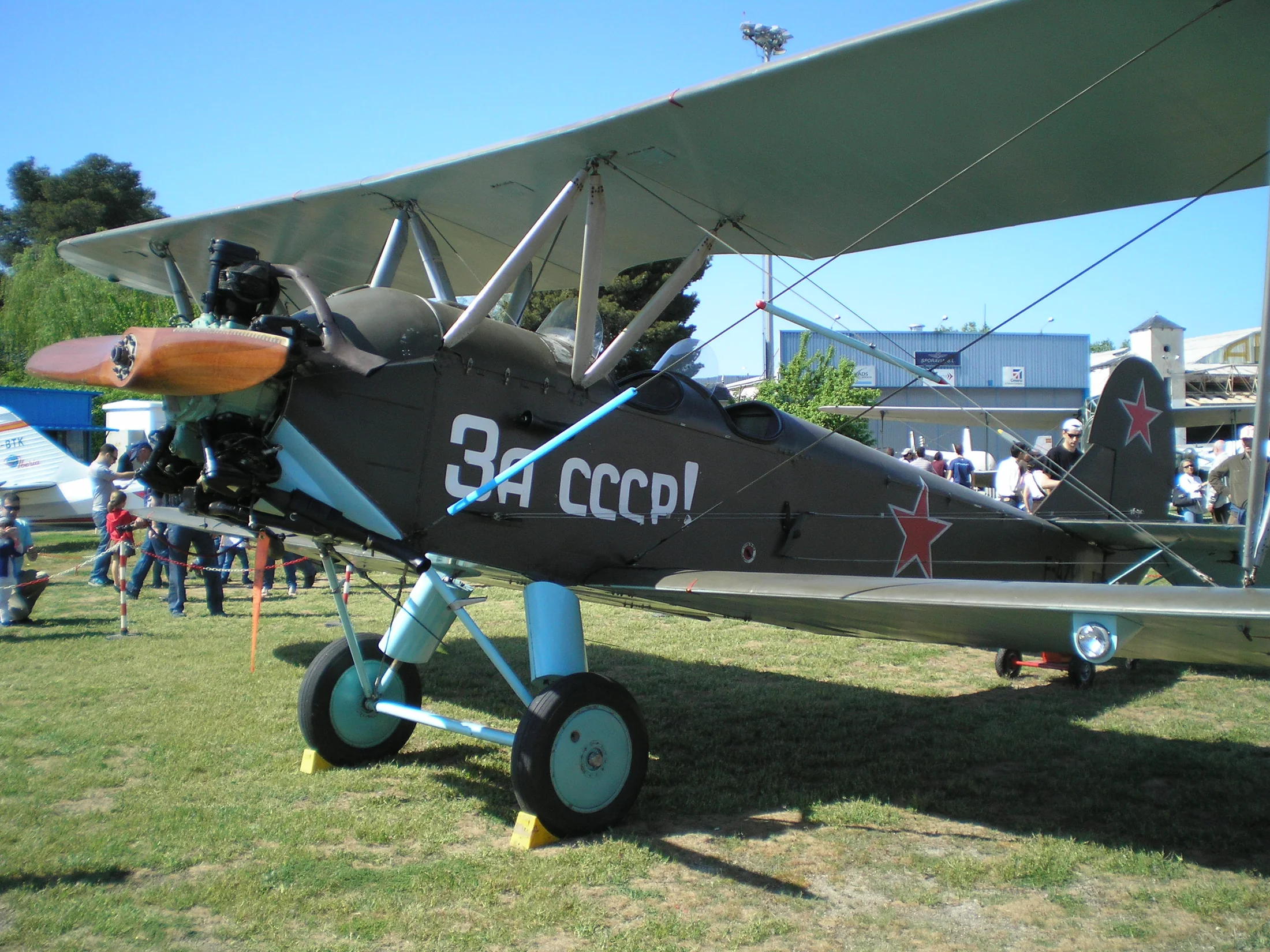
A basic biplane originally designed for training and utility work that became a sustained operational night-harassment bomber in World War II and Korea.
Open aircraft profile →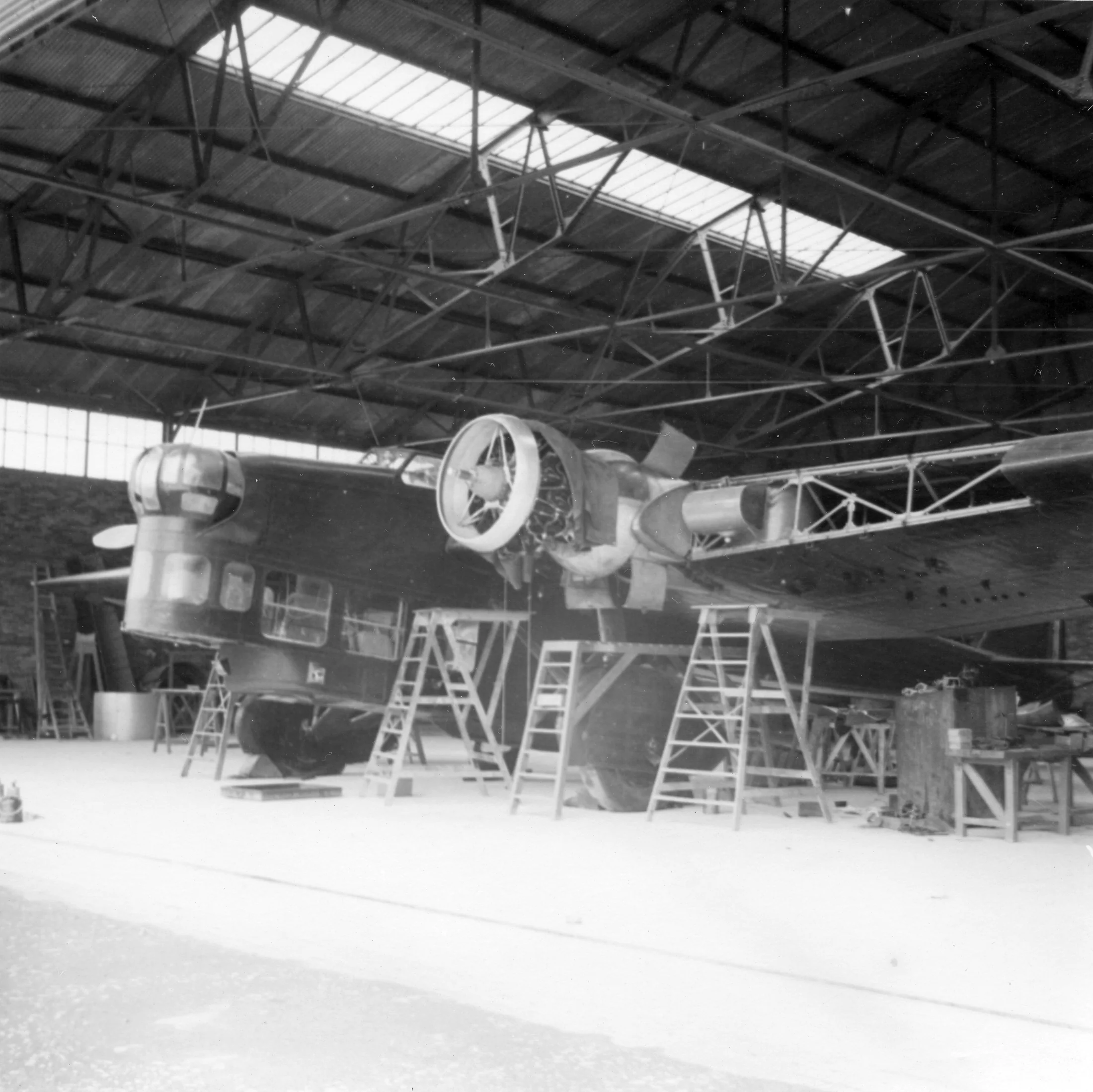
A French twin-engine bomber that entered service in the mid-1930s and remained operational during the opening of World War II.
Open aircraft profile →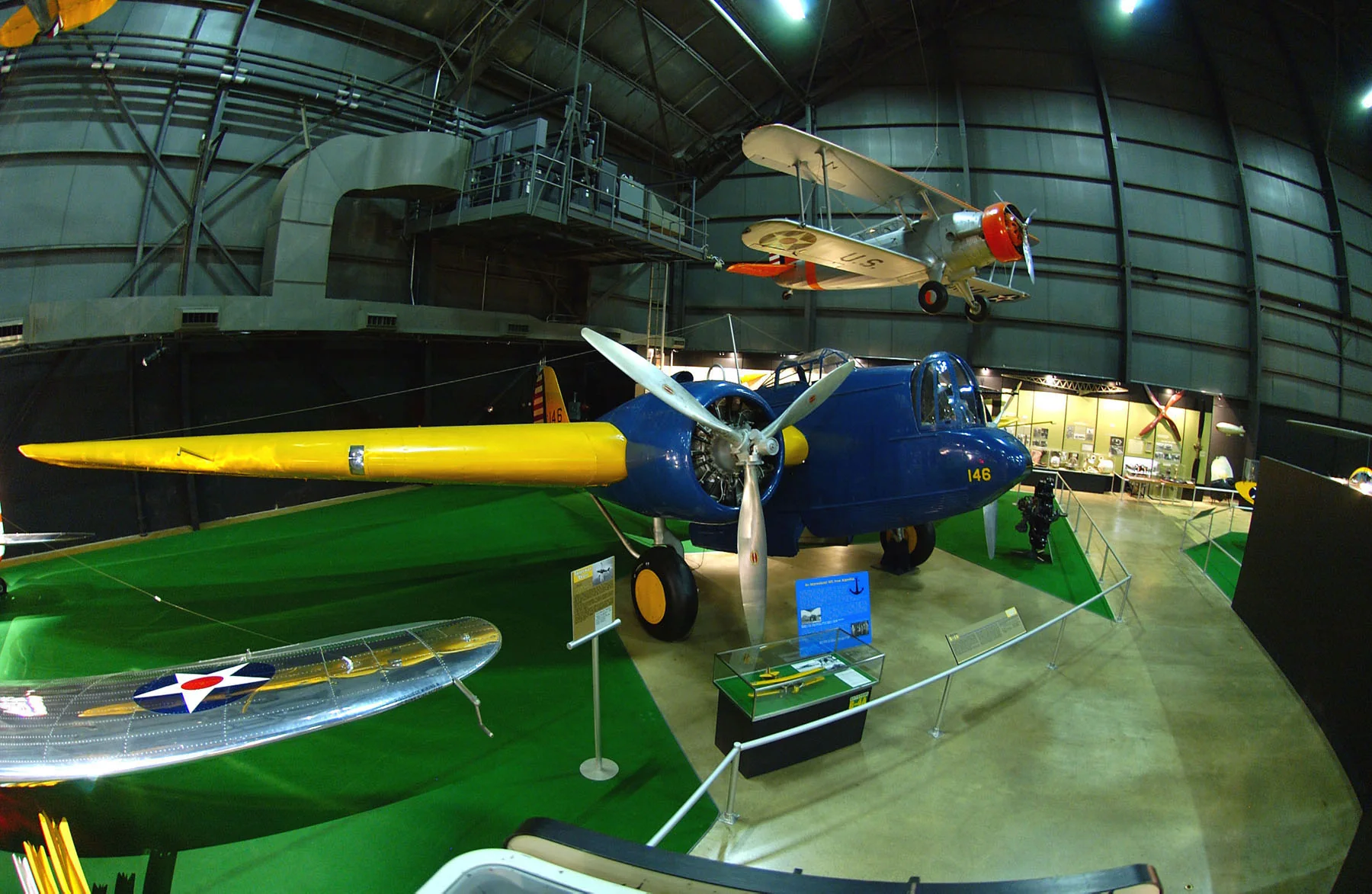
An advanced all-metal U.S. Army Air Corps monoplane bomber that introduced retractable landing gear, enclosed cockpits, and a rotating gun turret in quantity service.
Open aircraft profile →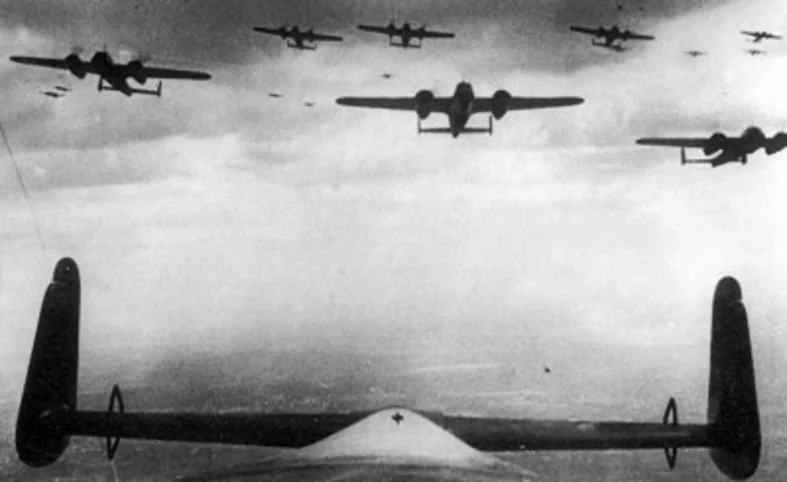
A fast German twin-engine light bomber developed during the 1930s and used in early Luftwaffe campaigns.
Open aircraft profile →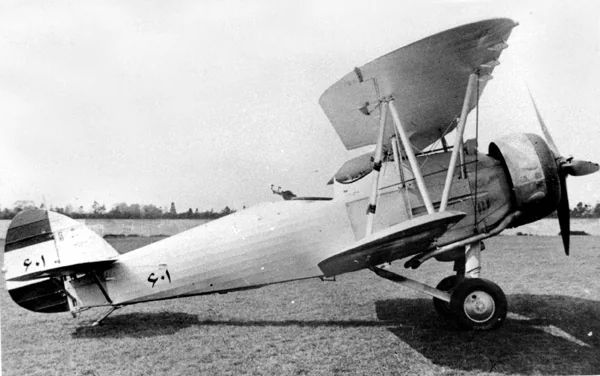
A British light bomber developed from the Hart family and used by the RAF during the transition to modern monoplane bombers.
Open aircraft profile →
A German twin-engine bomber developed during the Luftwaffe’s rearmament period and later adapted to other military roles.
Open aircraft profile →
An Italian three-engine bomber developed in the 1930s and later especially prominent in the torpedo-bomber role.
Open aircraft profile →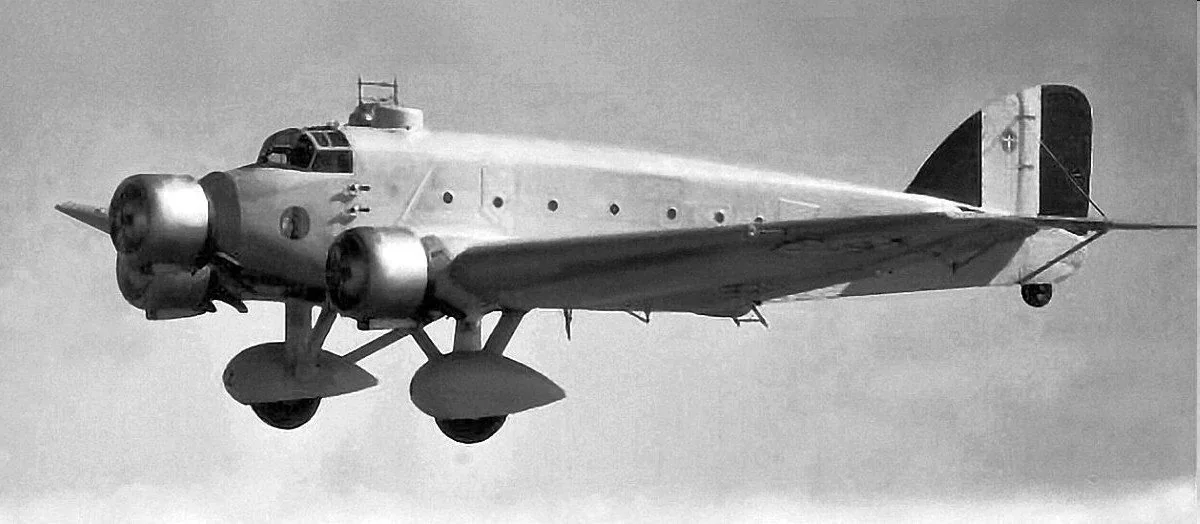
A three-engine bomber that formed an important part of Italy’s prewar bomber force and remained operational during World War II.
Open aircraft profile →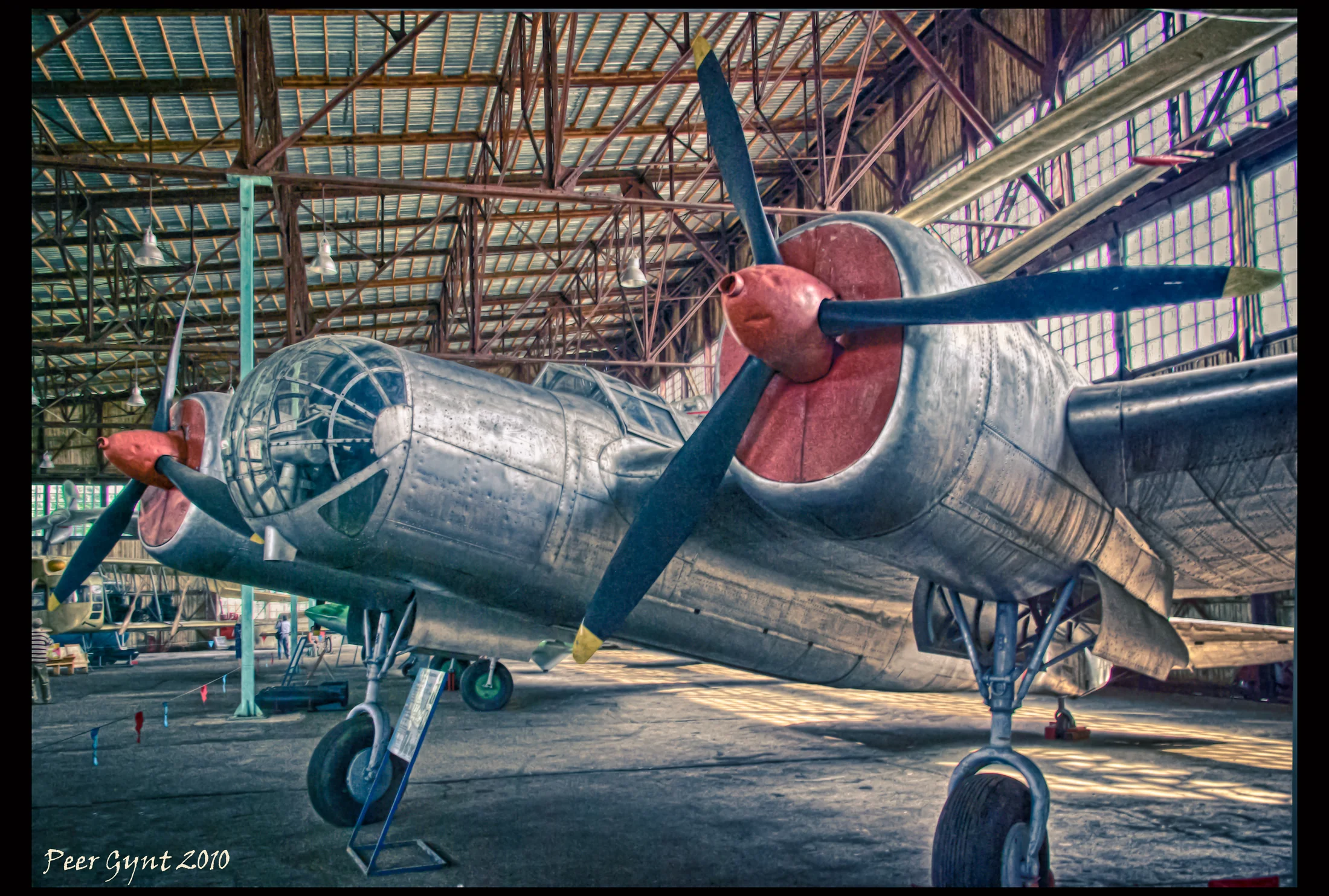
A fast Soviet twin-engine bomber that became one of the principal tactical bombers of the late 1930s.
Open aircraft profile →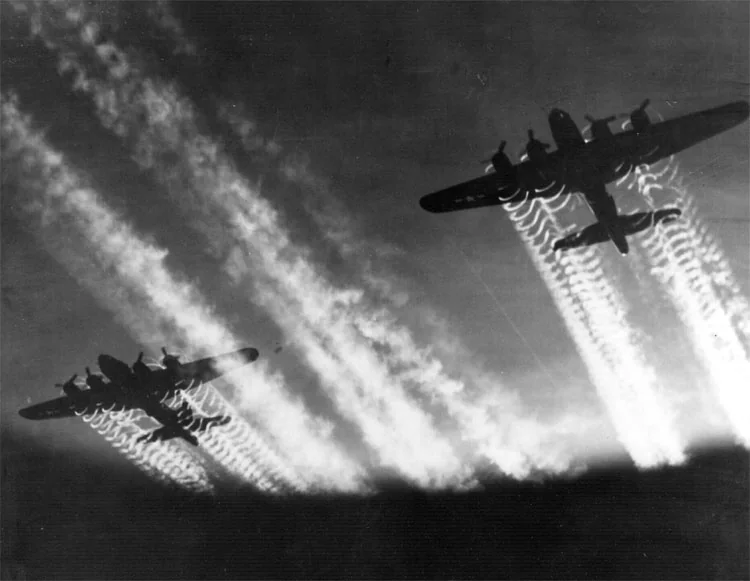
The B-17 was a four-engine American heavy bomber whose wartime development emphasized high-altitude strategic bombing, defensive armament, and mass production by Boeing, Douglas, and Vega.
Open aircraft profile →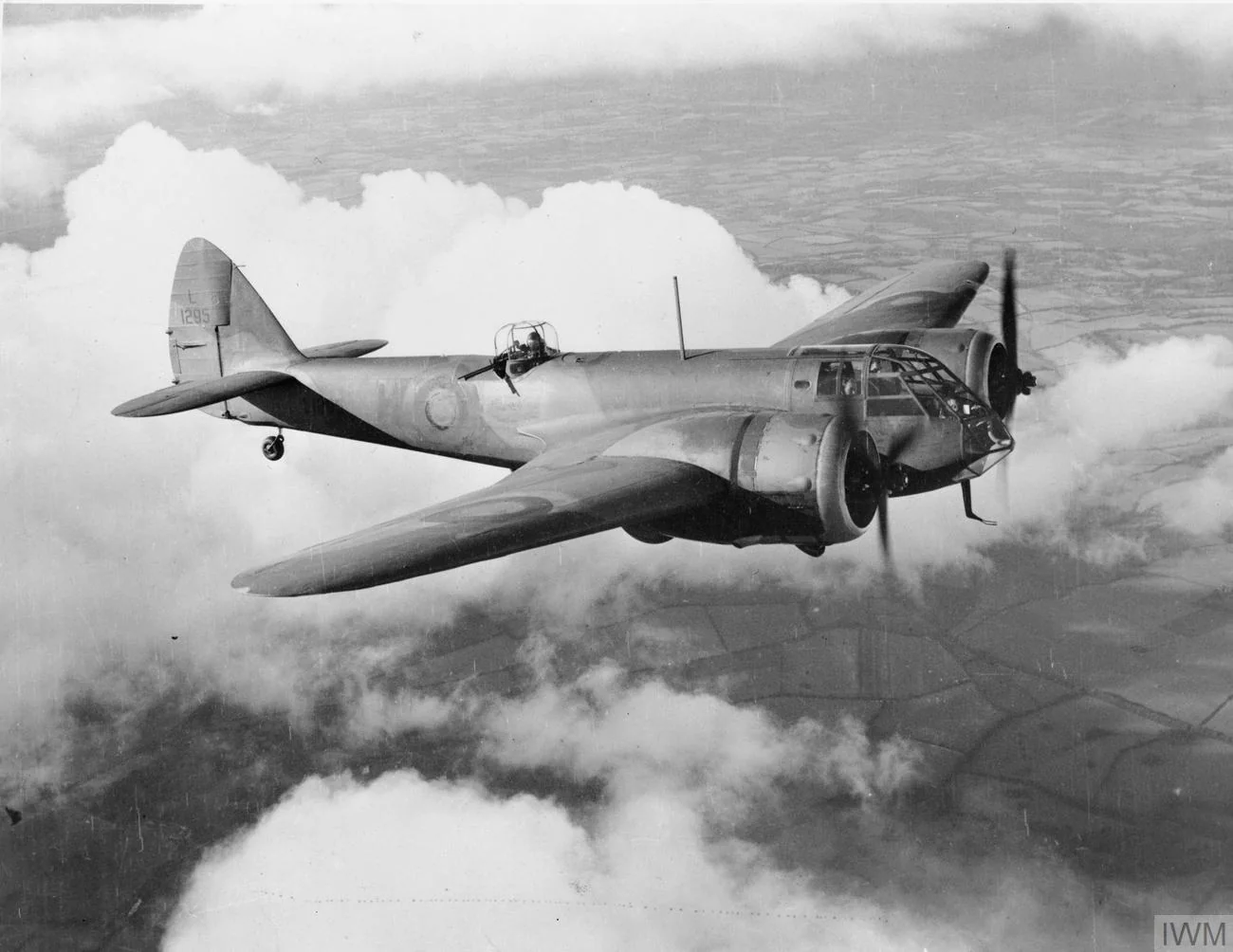
A fast British light bomber developed from a civil design and widely used for bombing, reconnaissance, and night-fighter conversions.
Open aircraft profile →
A twin-engine U.S. Army Air Corps bomber selected in the mid-1930s and retained as a principal bomber into the early World War II period.
Open aircraft profile →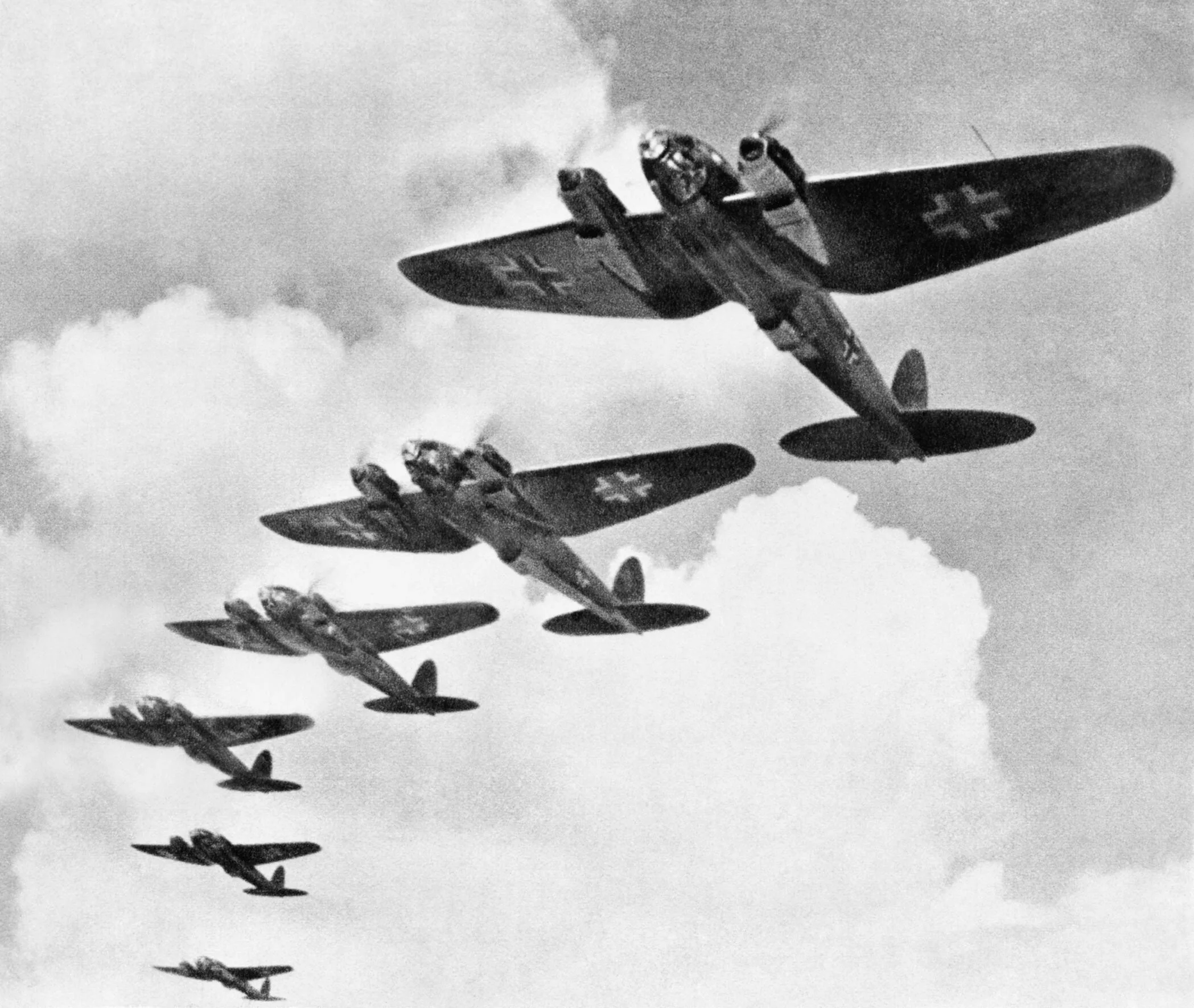
A German twin-engine bomber developed in the 1930s and employed extensively by the Luftwaffe throughout World War II.
Open aircraft profile →
A Soviet long-range twin-engine bomber developed in the mid-1930s and the ancestor of the later Il-4.
Open aircraft profile →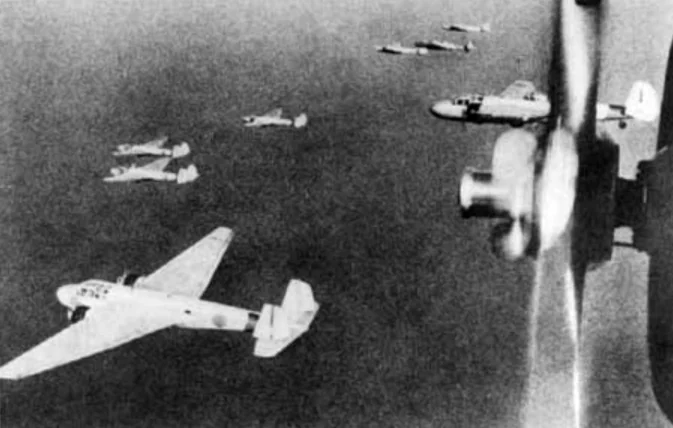
A long-range Japanese Navy land-based bomber that formed an important prewar and early-war maritime strike force.
Open aircraft profile →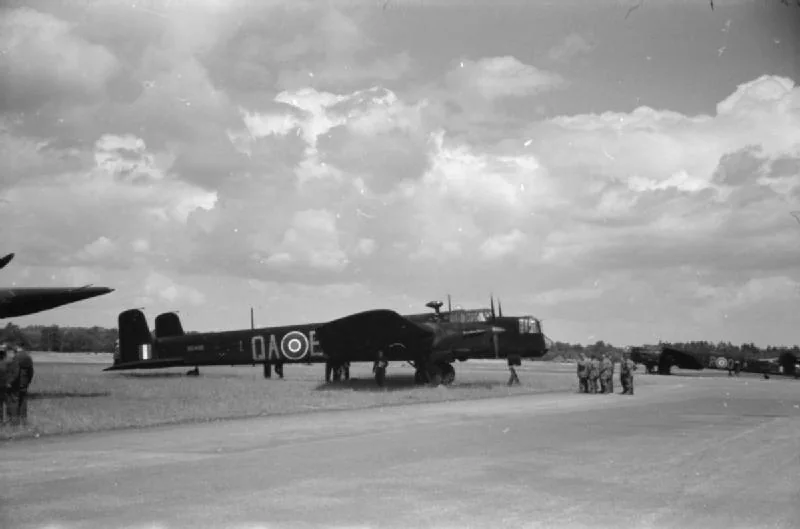
A twin-engine RAF bomber developed in the mid-1930s and used extensively in the opening phase of World War II.
Open aircraft profile →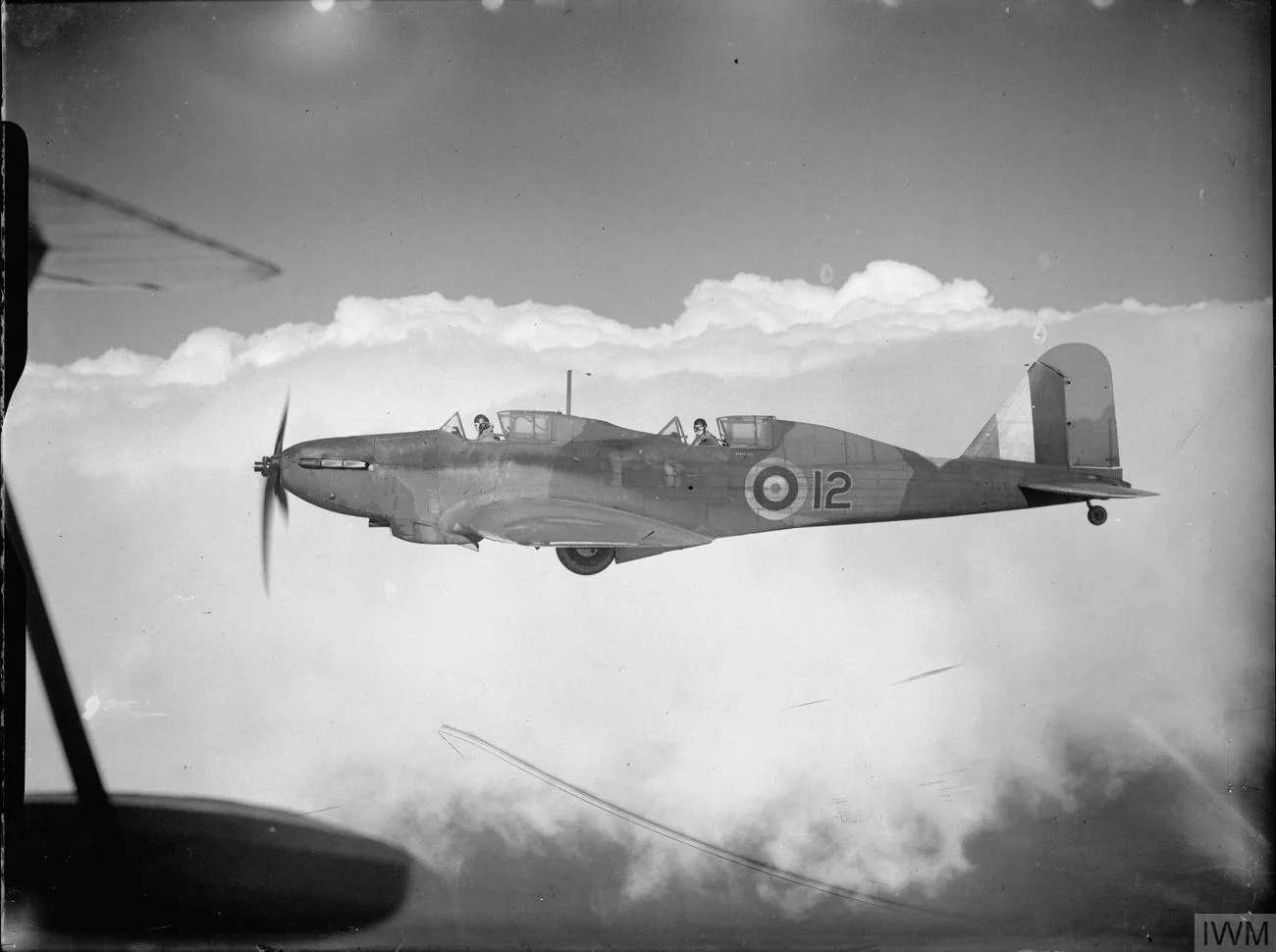
A single-engine British light bomber introduced into RAF service in 1937 and heavily committed during the 1940 campaign in France.
Open aircraft profile →
An Italian all-metal twin-engine bomber acquired by the Regia Aeronautica from 1936 and used in combat before and during World War II.
Open aircraft profile →
A twin-engine British medium bomber developed under the RAF modernization program of the 1930s.
Open aircraft profile →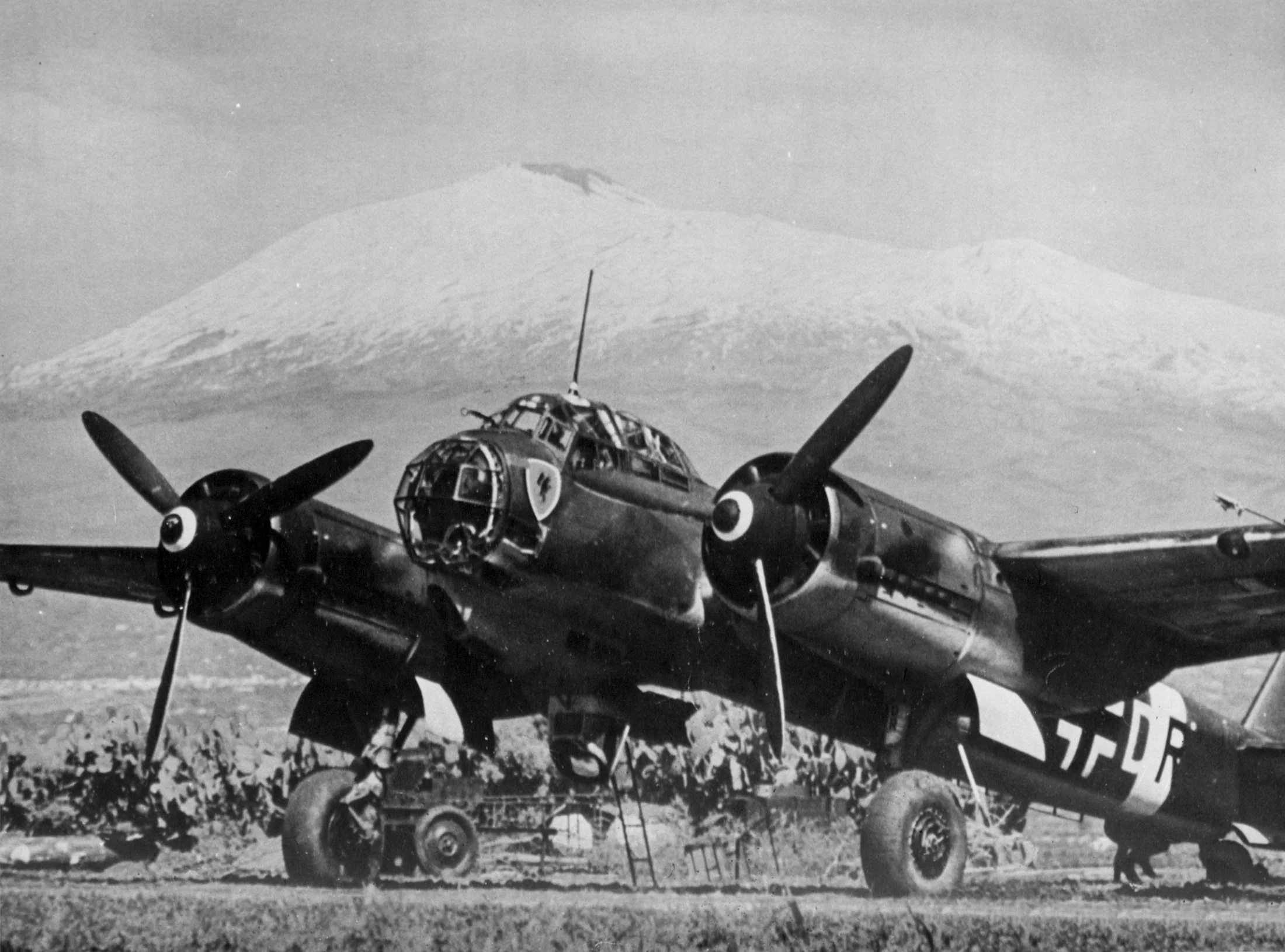
A versatile German twin-engine combat aircraft developed as a fast bomber and adapted to night fighting, reconnaissance, and maritime attack.
Open aircraft profile →
A modern Polish twin-engine medium bomber developed in the 1930s and used during the 1939 campaign.
Open aircraft profile →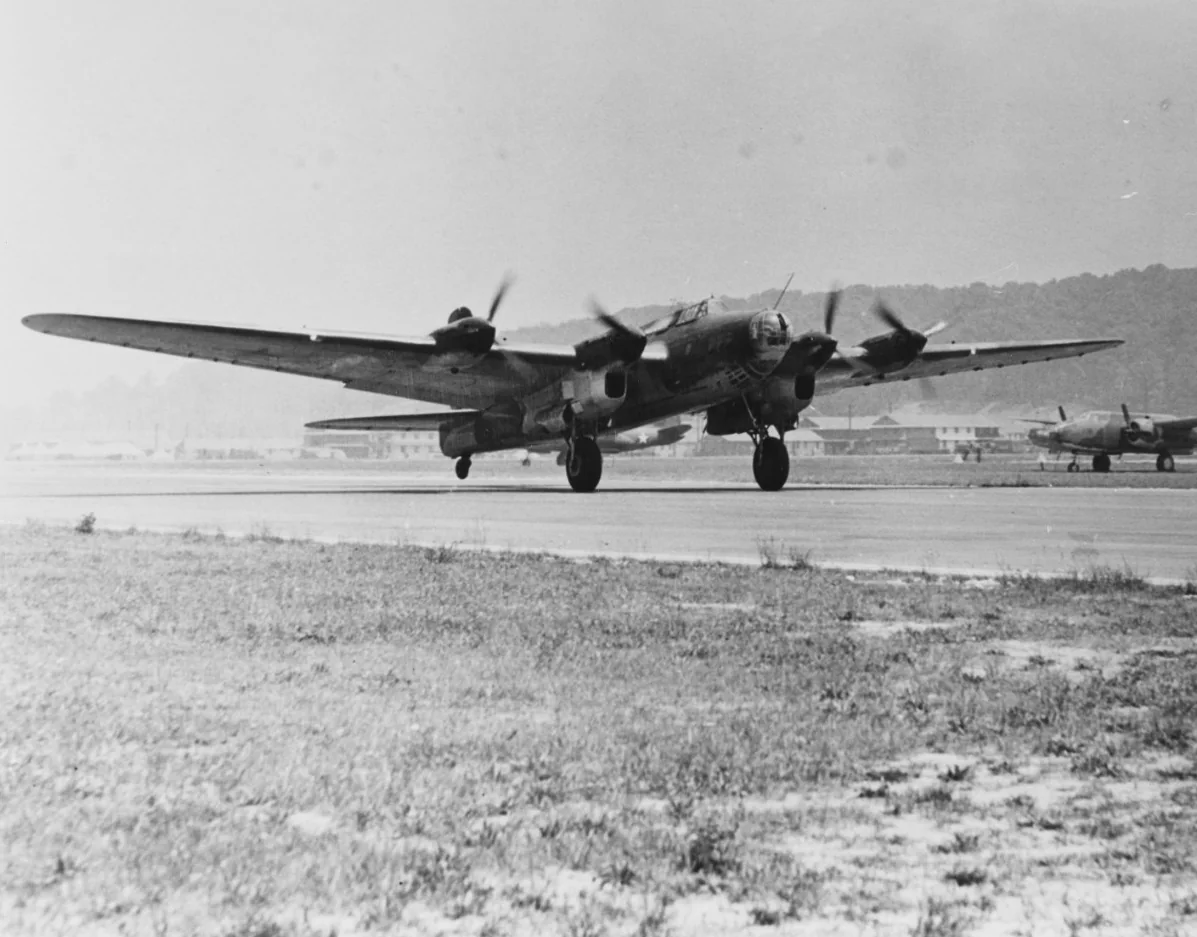
A Soviet four-engine heavy bomber developed before World War II and used in limited long-range wartime operations.
Open aircraft profile →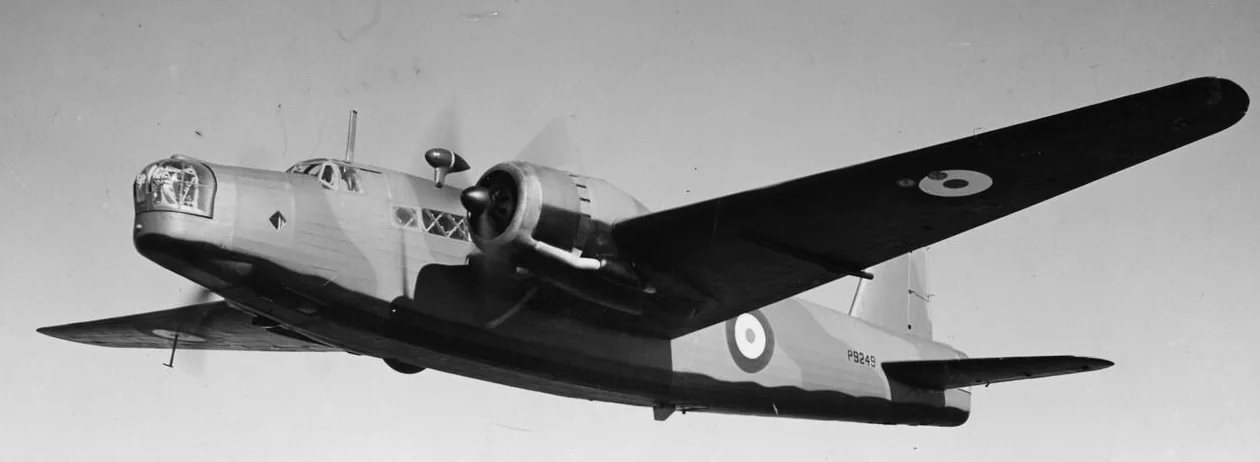
A British twin-engine bomber distinguished by its geodetic structure and long operational career.
Open aircraft profile →
A three-engine Italian medium bomber used extensively by the Regia Aeronautica during World War II.
Open aircraft profile →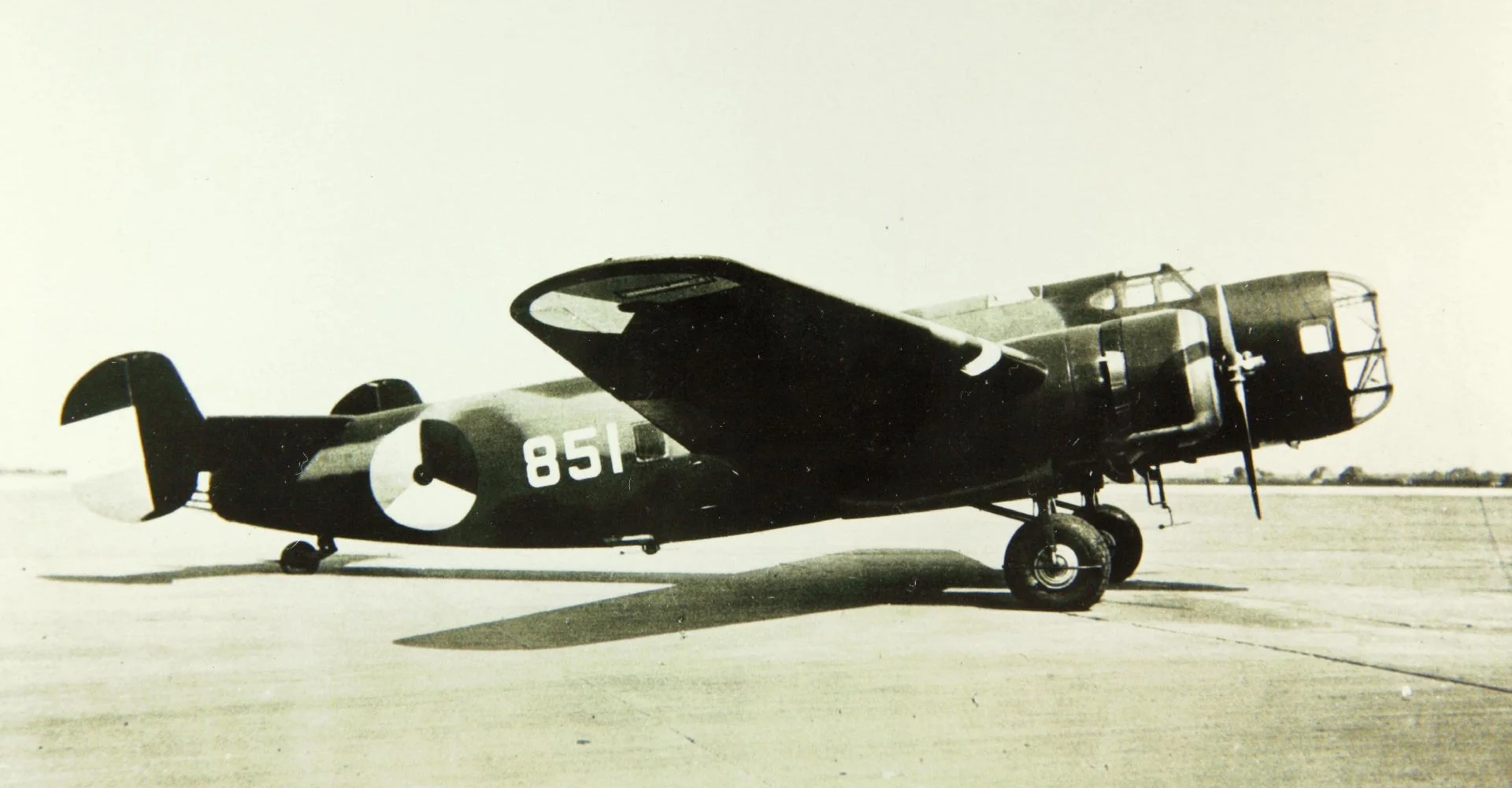
A Dutch twin-engine bomber used in the defense of the Netherlands during the German invasion of May 1940.
Open aircraft profile →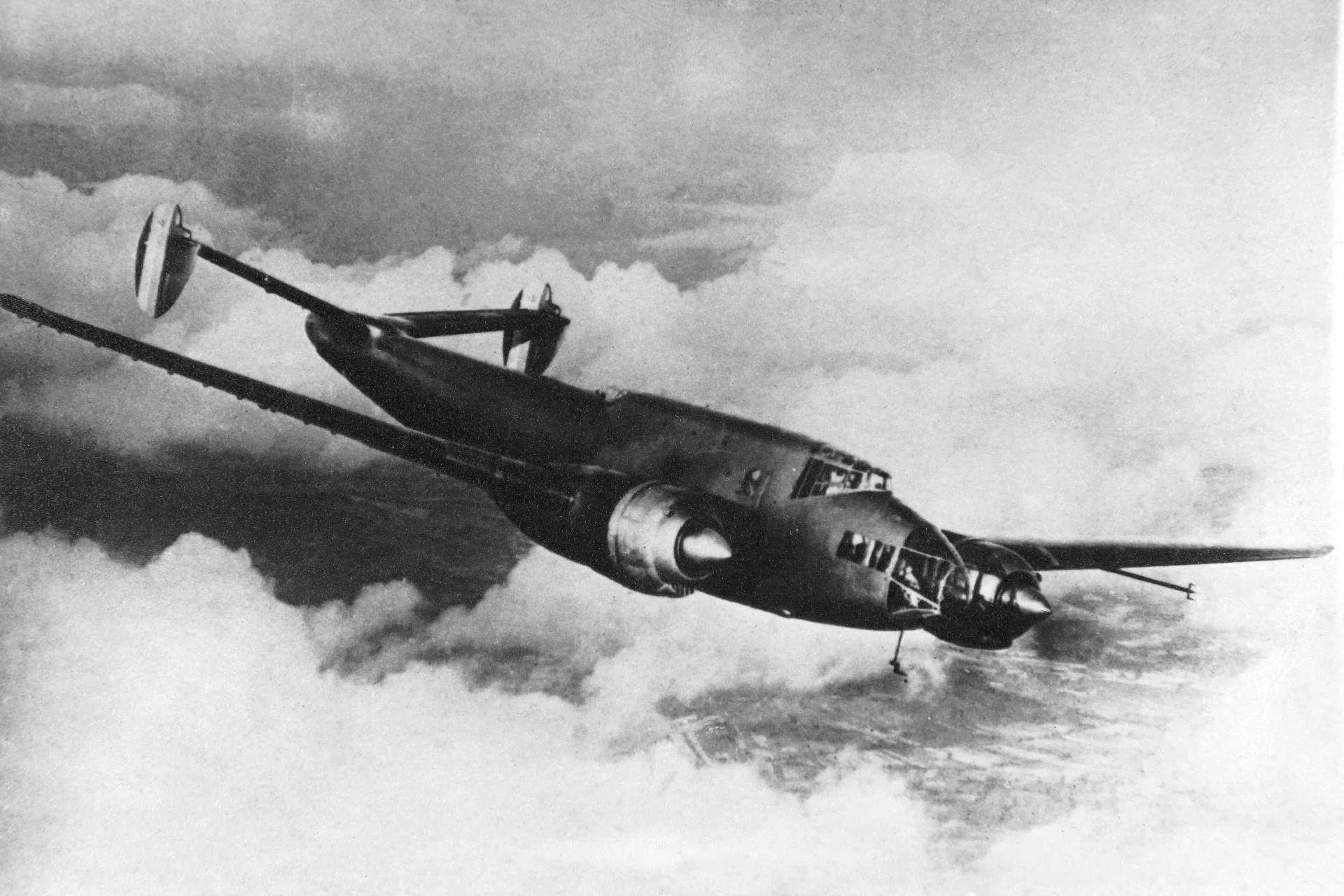
A modern French twin-engine medium bomber developed in the late 1930s for the Armée de l’Air.
Open aircraft profile →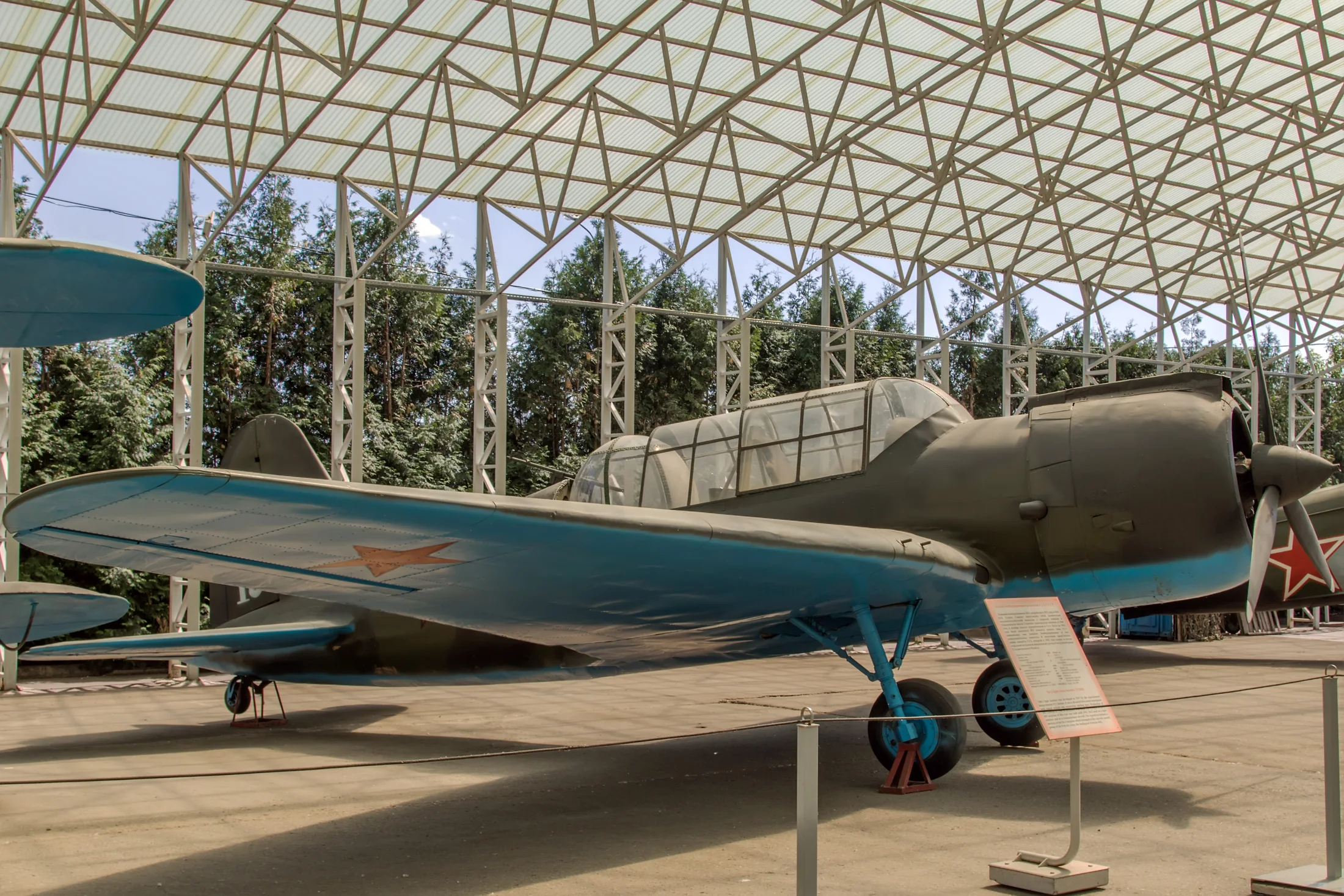
A Soviet light bomber and reconnaissance aircraft developed before the war and used during the opening campaigns against Germany.
Open aircraft profile →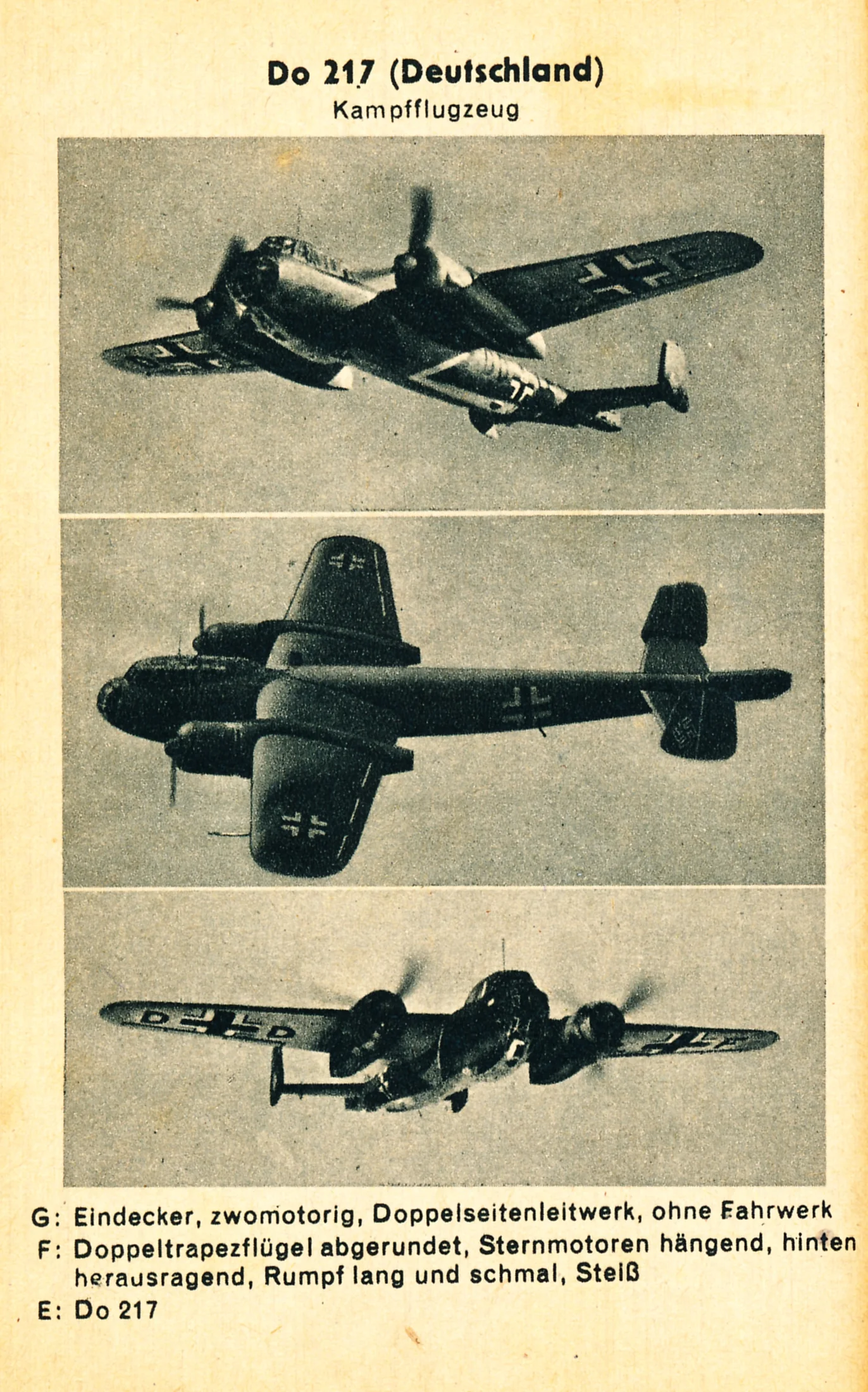
A German twin-engine bomber developed from the Do 17 line and adapted for bomber, maritime strike, and night-fighter missions.
Open aircraft profile →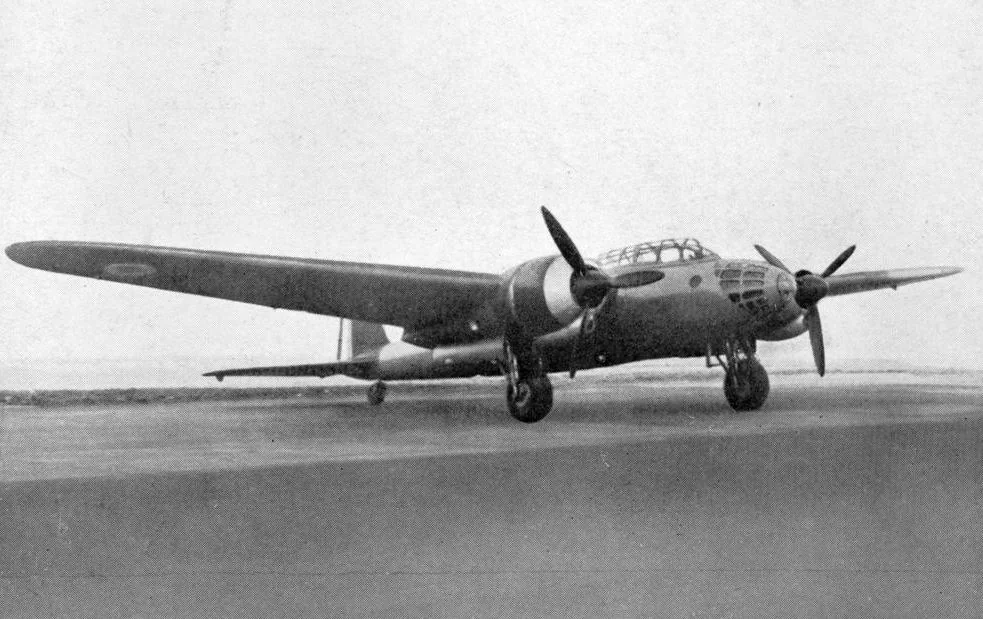
A streamlined French twin-engine medium bomber introduced in small numbers during the 1940 campaign.
Open aircraft profile →
A British twin-engine heavy bomber whose airframe development led directly to the four-engine Lancaster.
Open aircraft profile →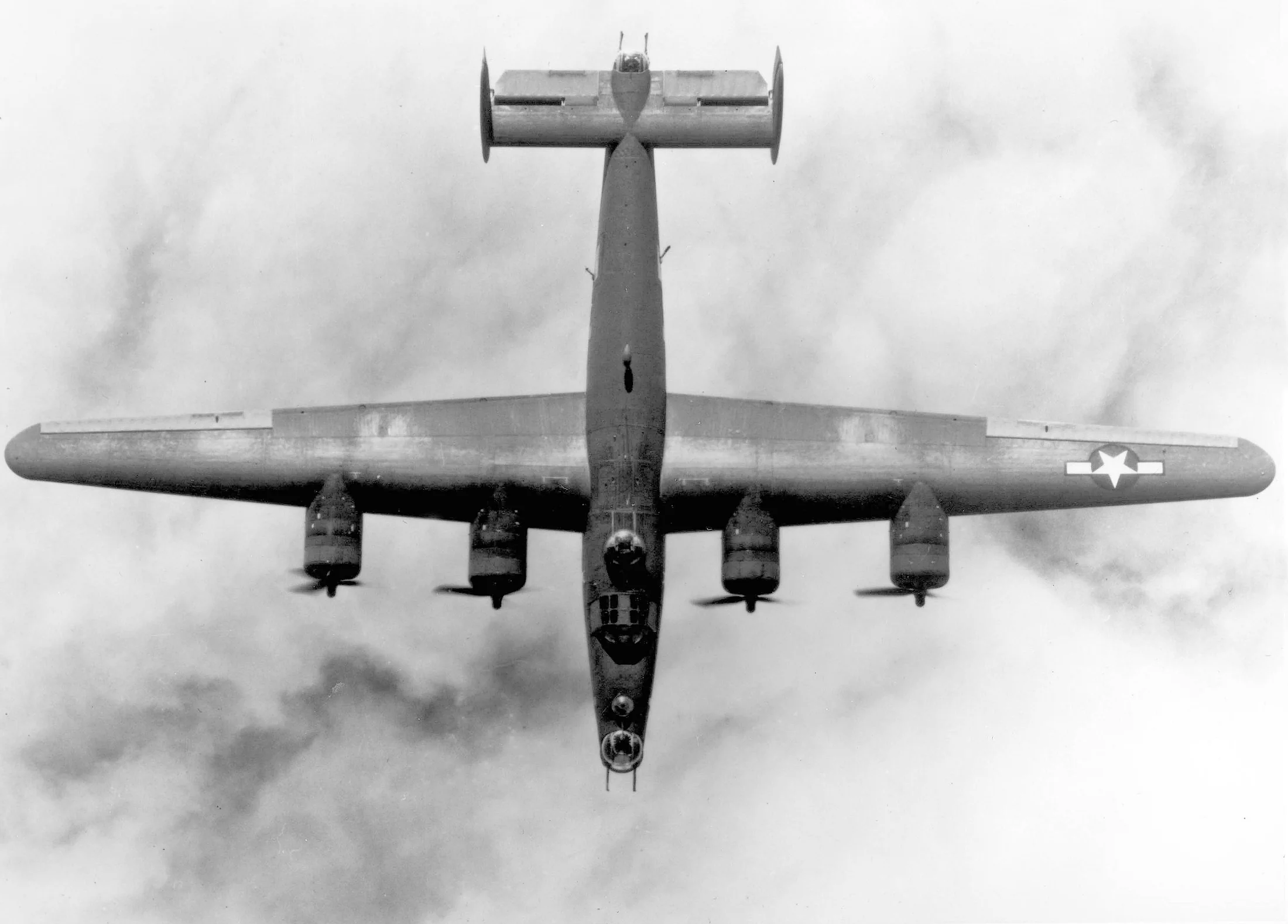
A four-engine American heavy bomber produced in very large numbers and used for strategic bombing and long-range maritime missions.
Open aircraft profile →
A British four-engine heavy bomber used extensively by Bomber Command and in several specialist wartime roles.
Open aircraft profile →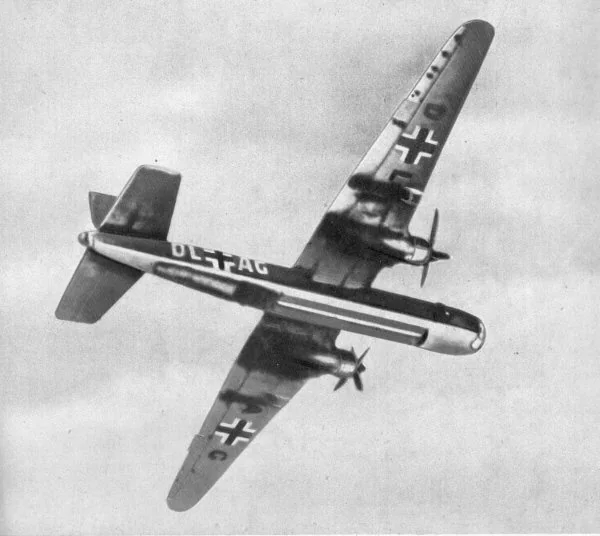
Germany’s principal wartime long-range heavy bomber design, notable for its coupled-engine arrangement and difficult development.
Open aircraft profile →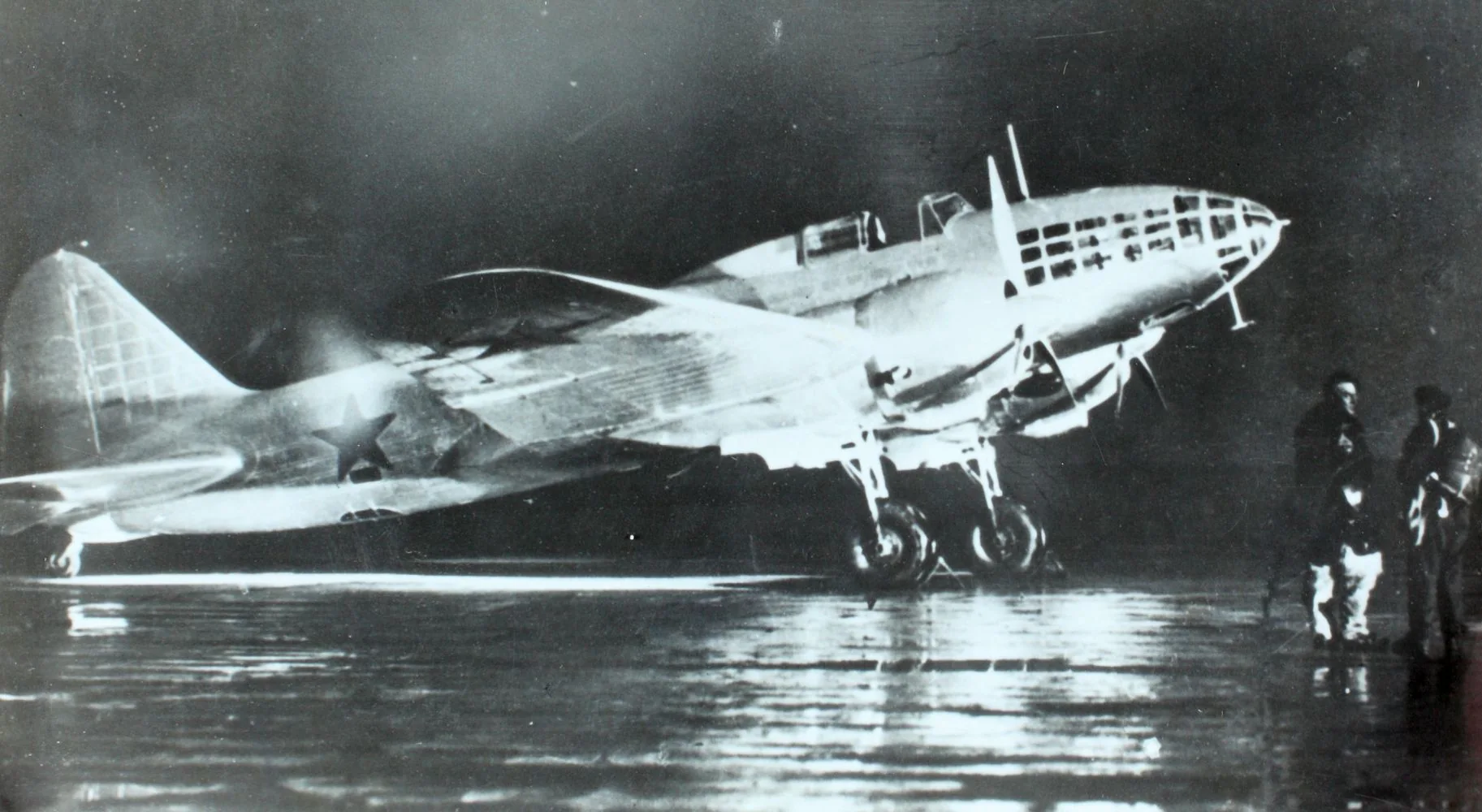
A long-range Soviet bomber developed through the DB-3F redesign and redesignated Il-4 during the war.
Open aircraft profile →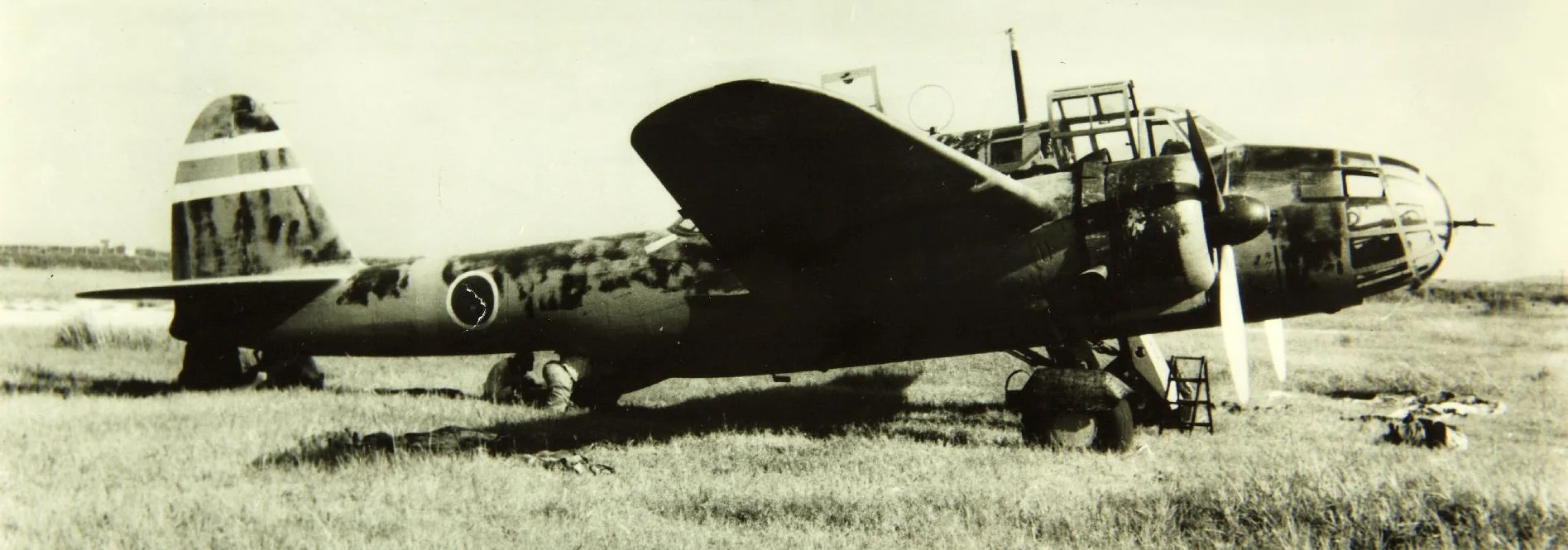
A Japanese Army twin-engine light bomber introduced before the Pacific War.
Open aircraft profile →
A long-range Japanese Navy land-based bomber widely used for torpedo and level-bombing missions.
Open aircraft profile →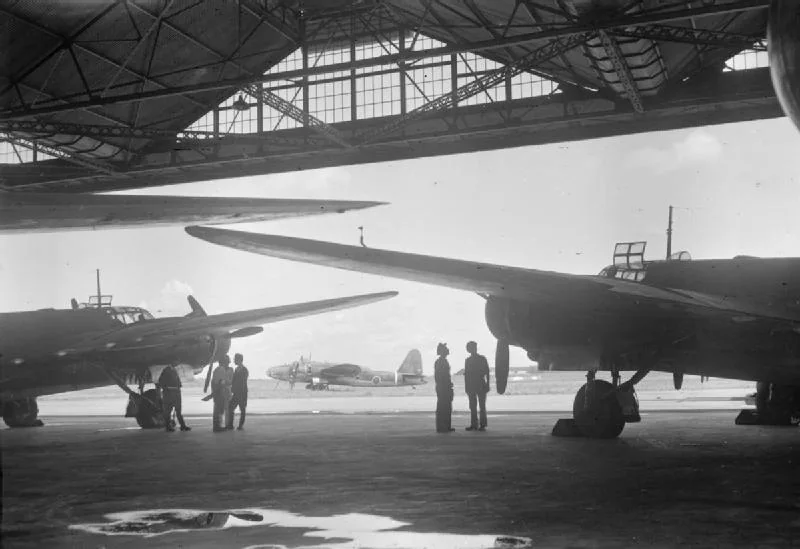
A Japanese Army twin-engine medium bomber intended to replace the Ki-21.
Open aircraft profile →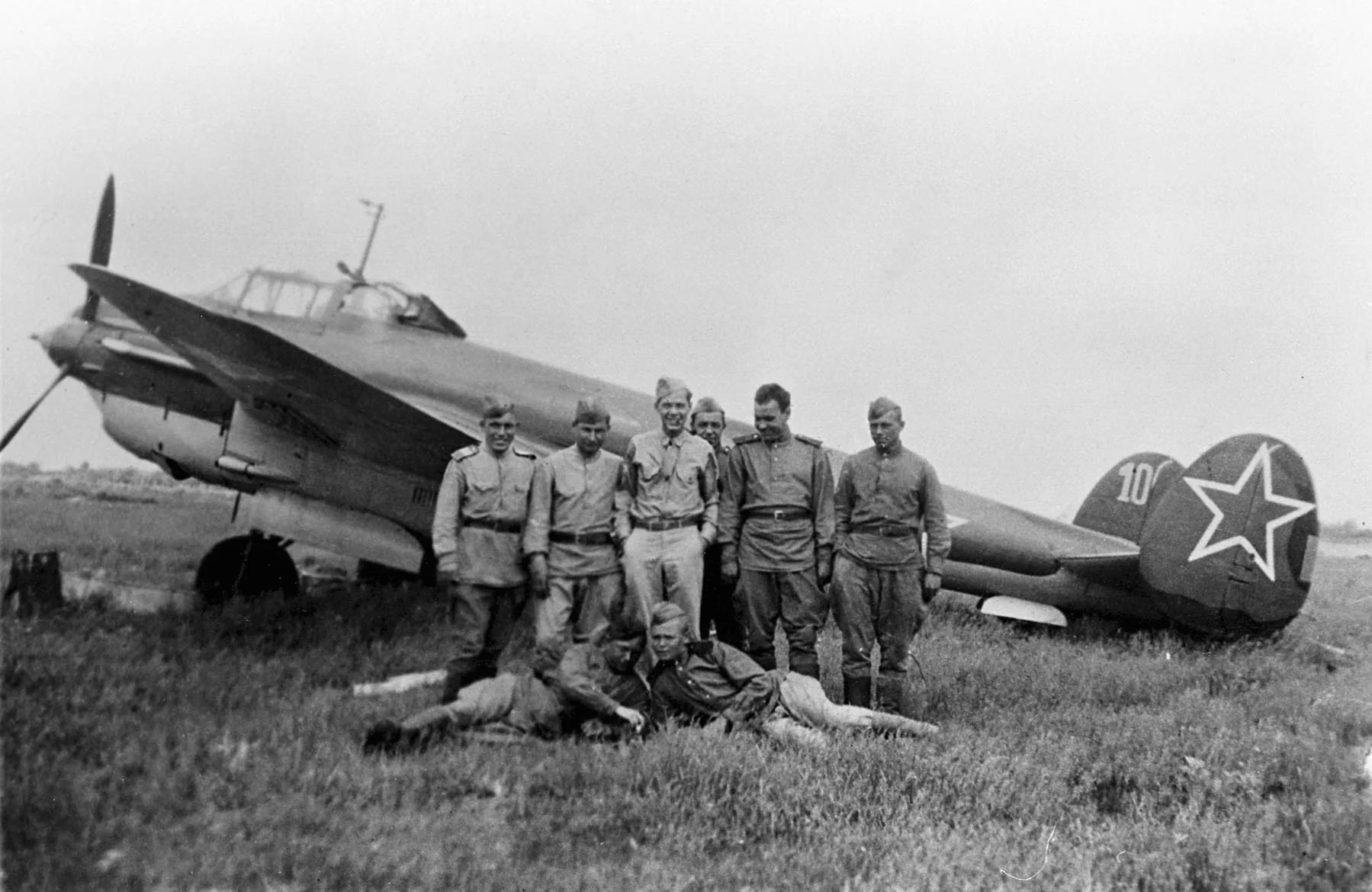
A fast Soviet twin-engine dive bomber and tactical bomber derived from a high-altitude fighter project.
Open aircraft profile →
An Italian four-engine heavy bomber produced in small numbers during World War II.
Open aircraft profile →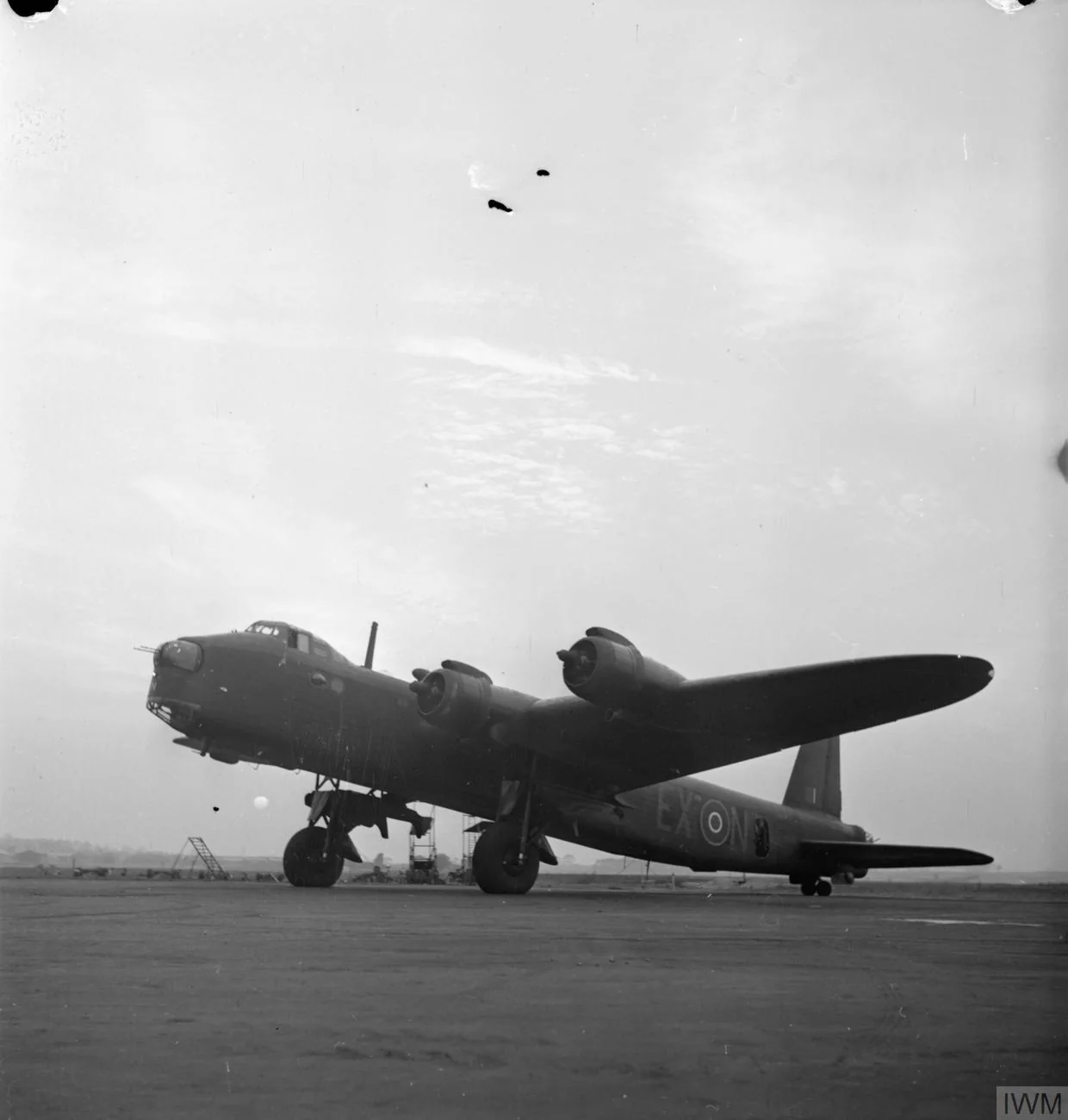
The first of the Royal Air Force’s four-engine heavy bombers to enter operational service during World War II.
Open aircraft profile →
A Soviet twin-engine dive-bomber development of the SB series used during the opening phase of the German-Soviet war.
Open aircraft profile →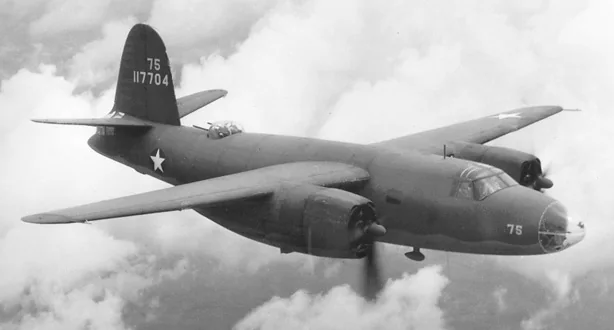
A fast American twin-engine medium bomber that served extensively in the Mediterranean and European theaters.
Open aircraft profile →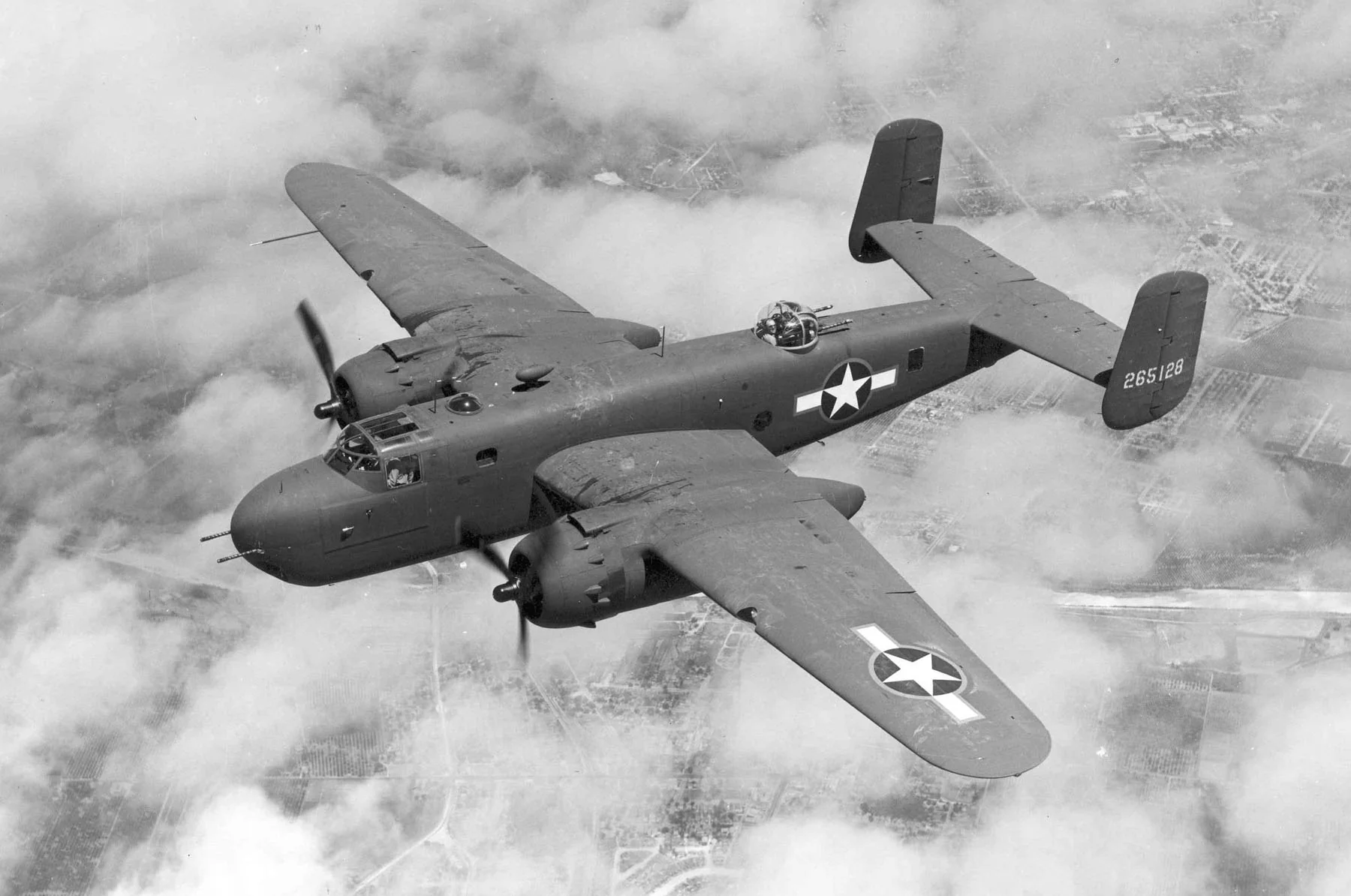
An American twin-engine medium bomber used across virtually every major theater of World War II.
Open aircraft profile →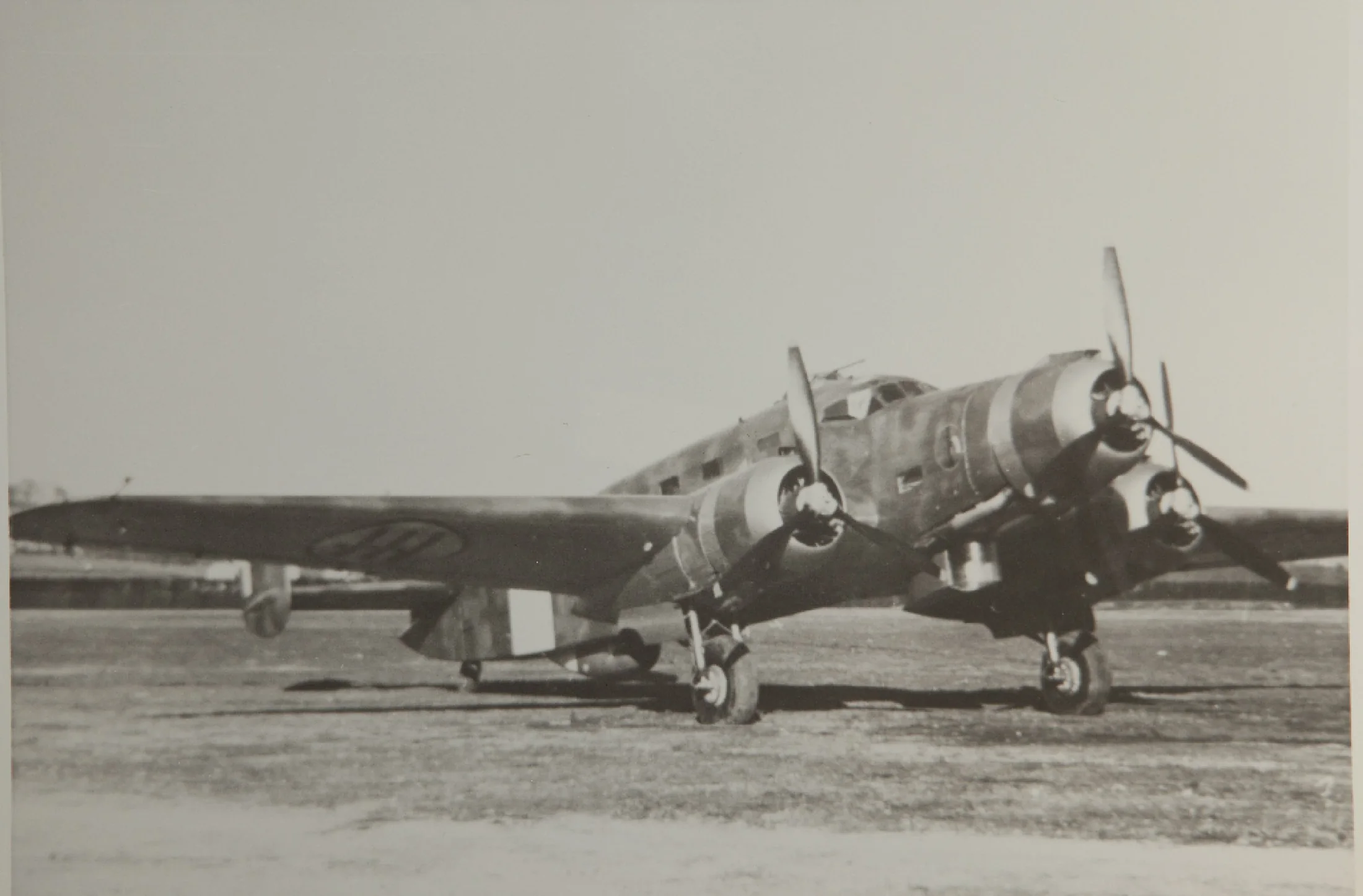
A three-engine Italian bomber and torpedo aircraft developed as a successor to the SM.79.
Open aircraft profile →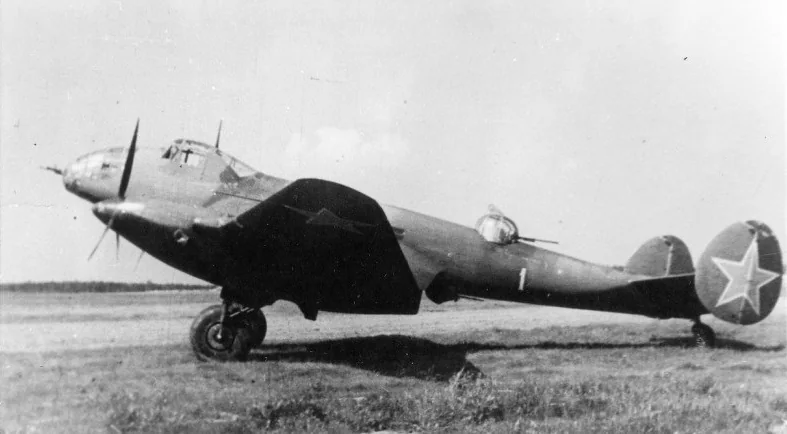
A Soviet long-range bomber developed from the Bartini Stal-7 and used for strategic missions during World War II.
Open aircraft profile →
A fast wooden British combat aircraft developed into bomber, fighter, night-fighter, reconnaissance, and maritime-strike variants.
Open aircraft profile →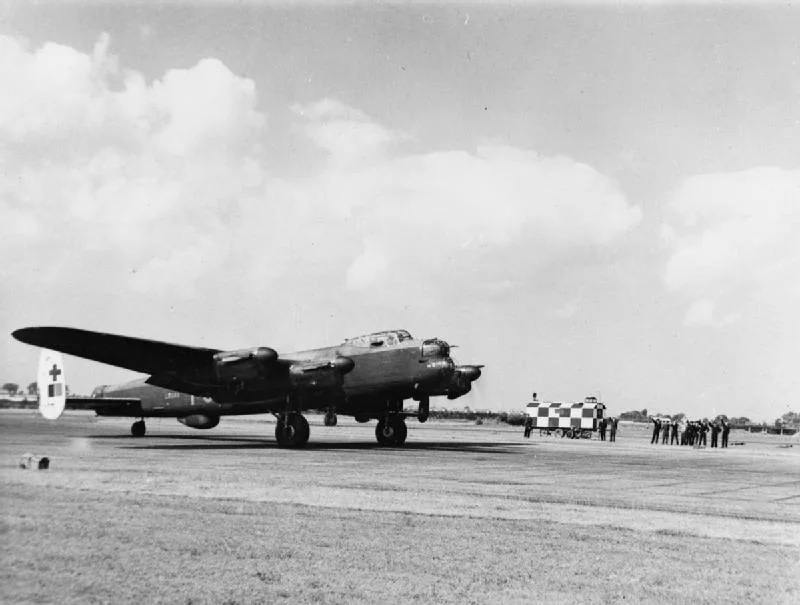
A British four-engine heavy bomber developed from the Manchester and central to RAF Bomber Command’s wartime offensive.
Open aircraft profile →
An improved multi-role bomber development of the Ju 88 used for bombing, reconnaissance, and torpedo missions.
Open aircraft profile →
A light bomber developed from the Maryland and used extensively by Allied air forces in the Mediterranean and Middle East.
Open aircraft profile →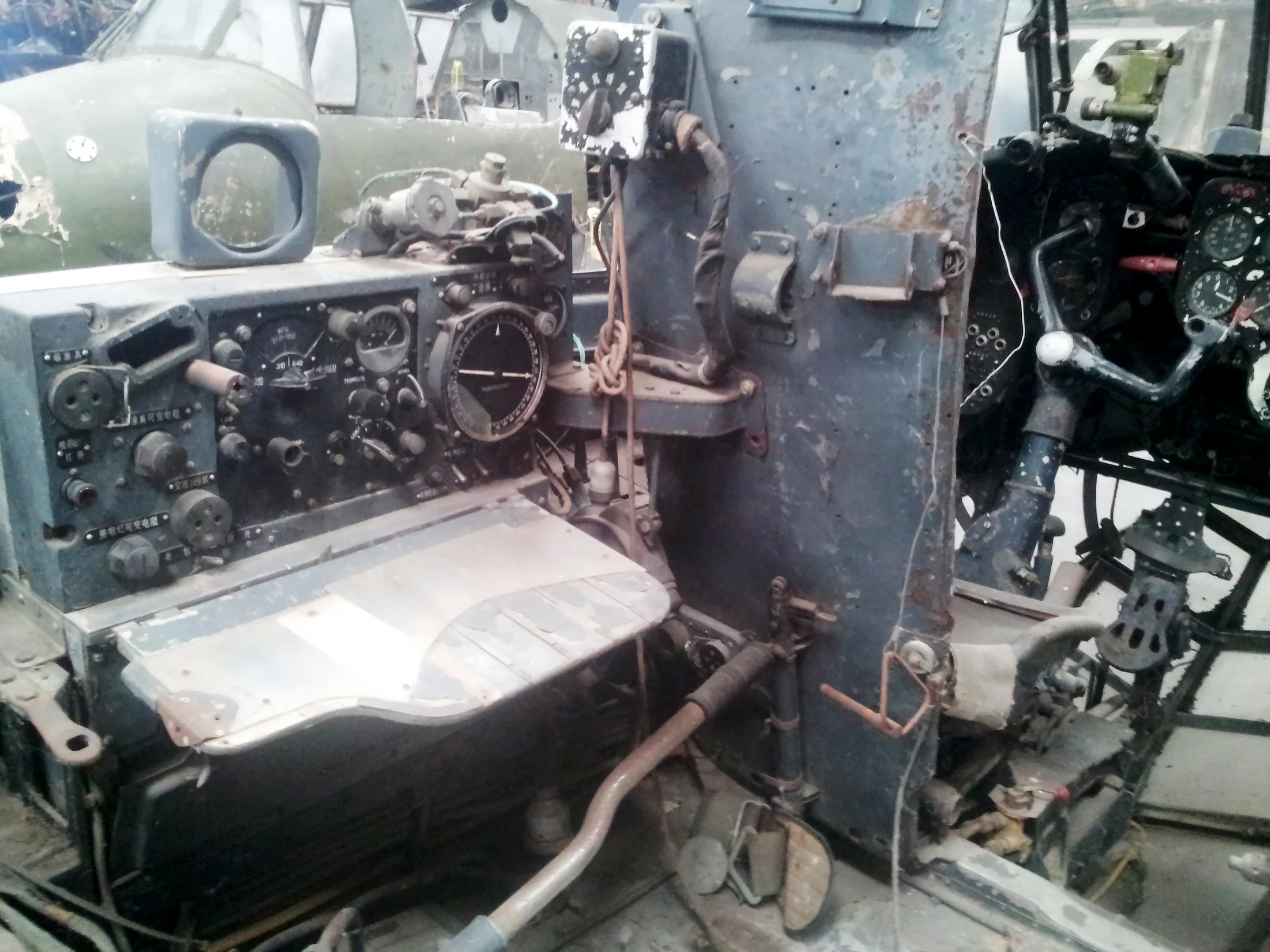
A high-performance Soviet twin-engine tactical bomber that first flew in 1941 and later became a major wartime type.
Open aircraft profile →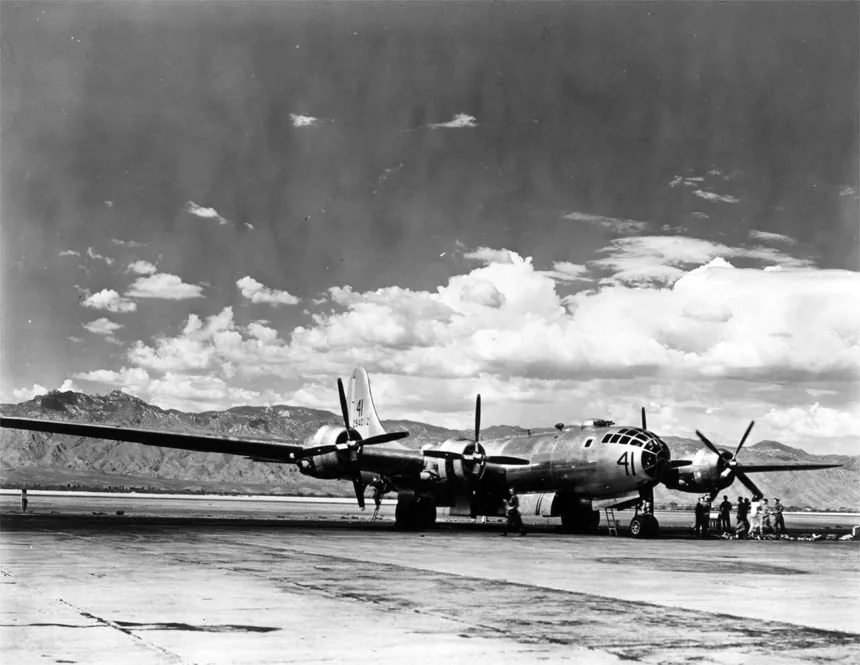
A pressurized American four-engine heavy bomber developed for very-long-range strategic operations in the Pacific.
Open aircraft profile →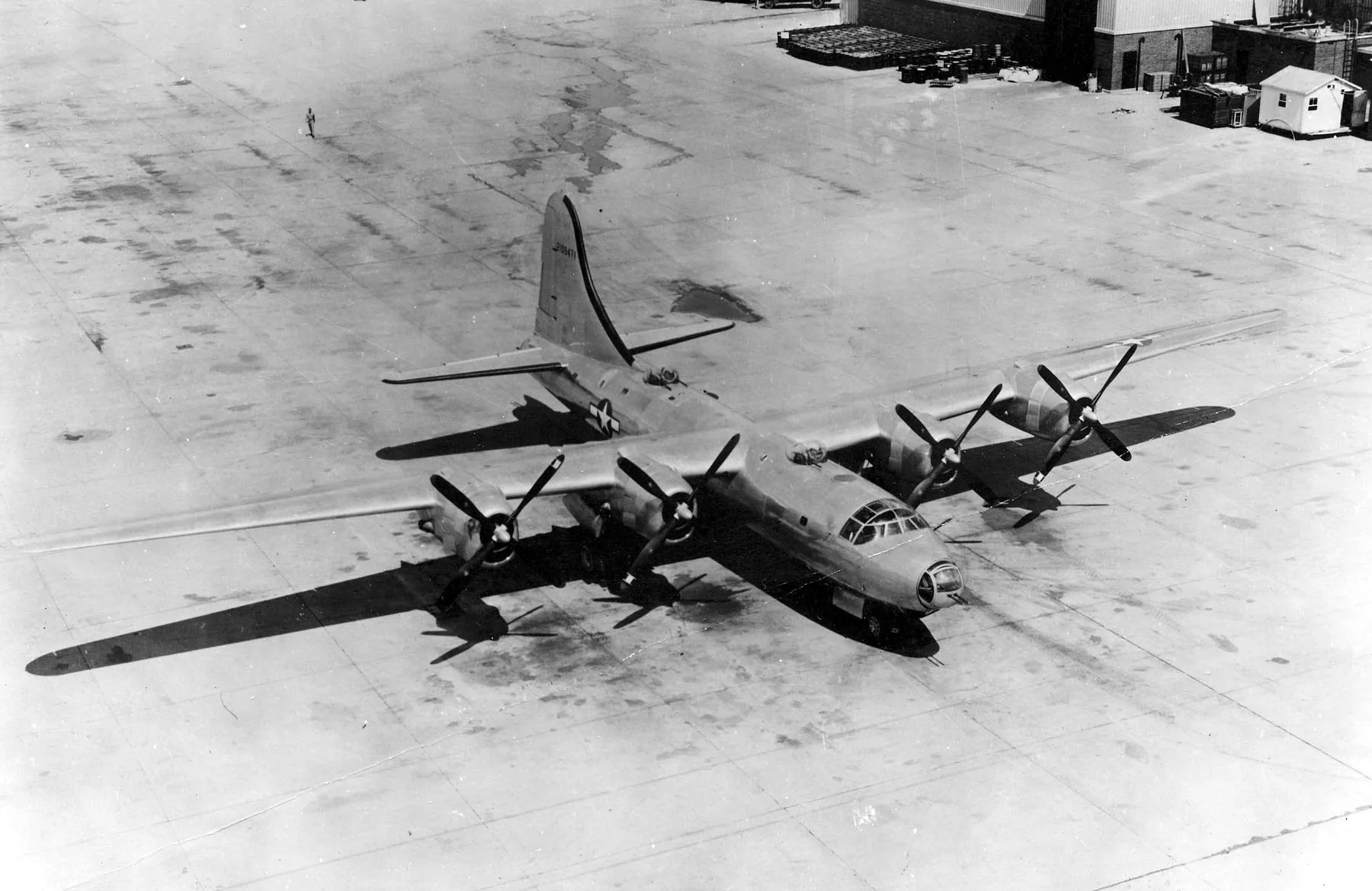
A four-engine American heavy bomber developed as an alternative to the B-29 and used operationally in the final weeks of the Pacific War.
Open aircraft profile →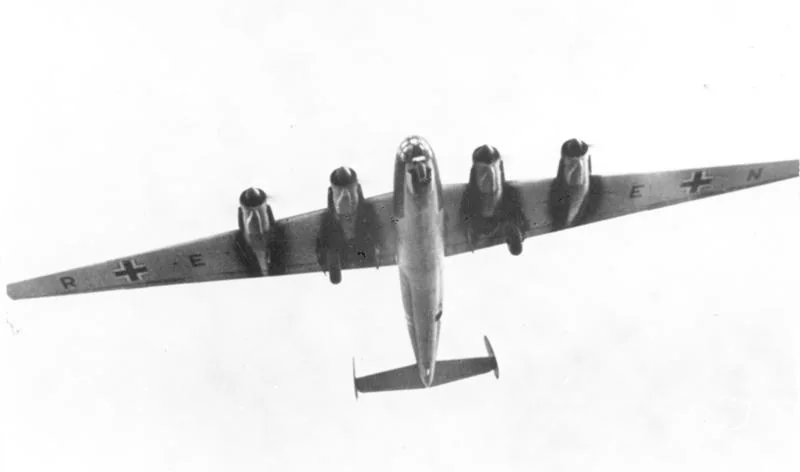
A very-long-range strategic bomber prototype associated with Germany’s Amerika Bomber requirements.
Open aircraft profile →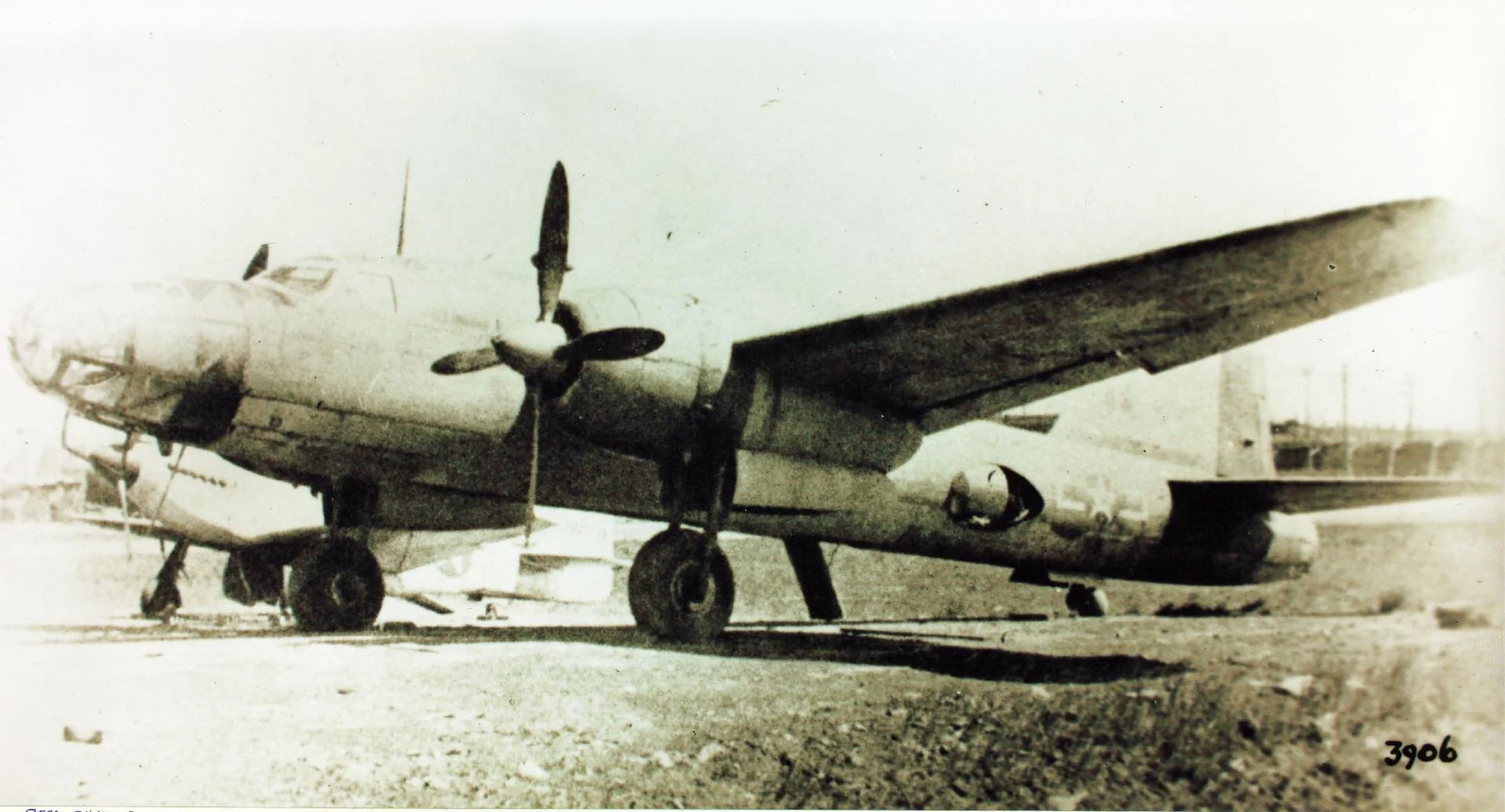
A fast Japanese Army twin-engine bomber used for level bombing, torpedo attack, and special-mission variants.
Open aircraft profile →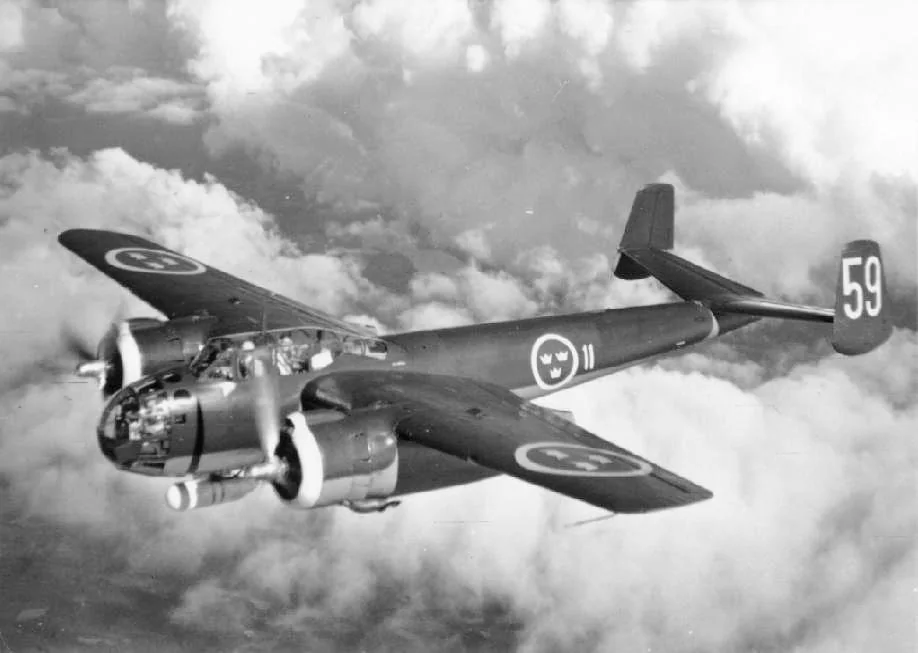
A Swedish twin-engine bomber and attack aircraft developed during World War II and serving into the postwar period.
Open aircraft profile →
The first operational jet bomber, also used in high-speed reconnaissance during the final year of the war.
Open aircraft profile →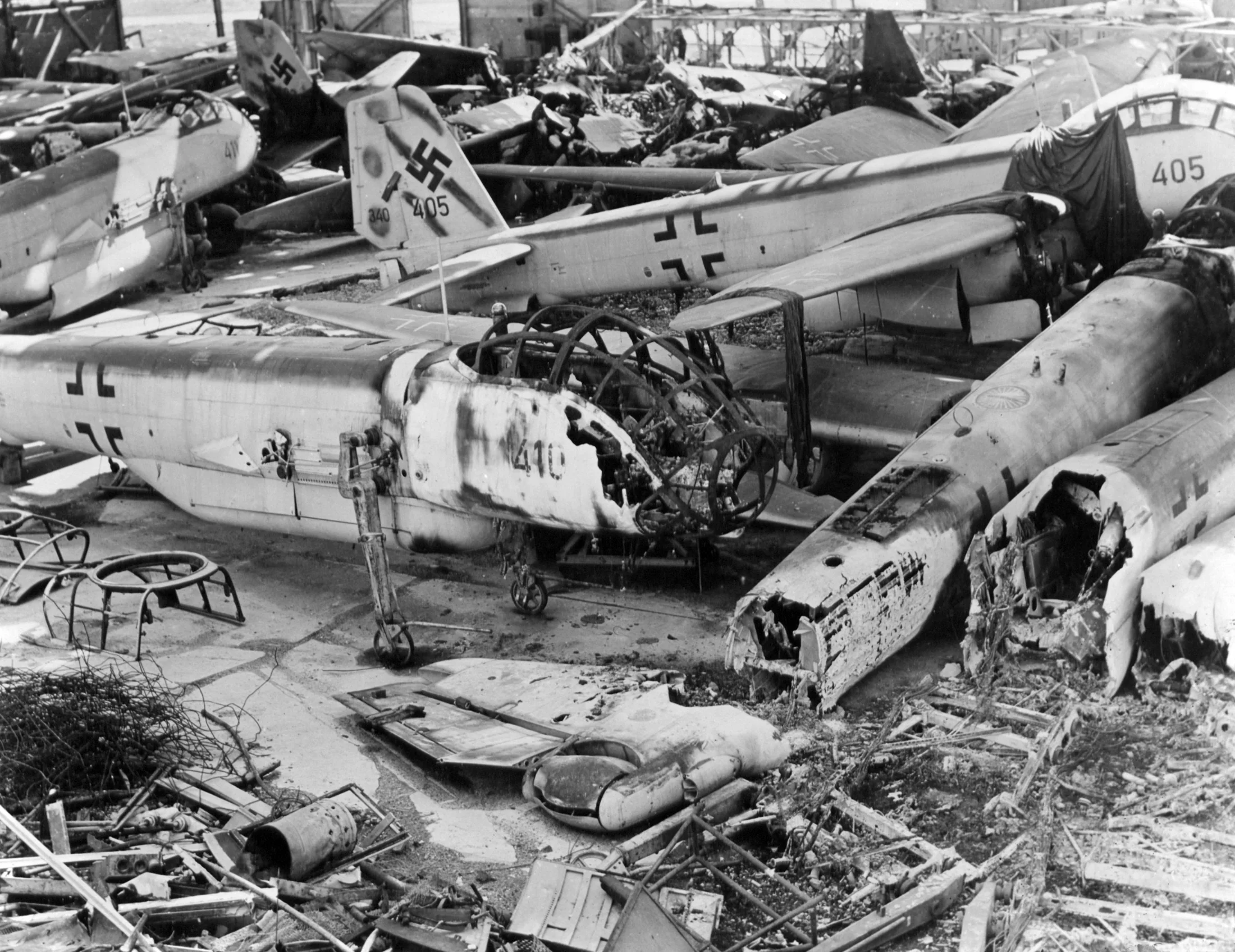
A high-altitude late-war development of the Ju 88/Ju 188 family intended for bomber, reconnaissance, and night-fighter missions.
Open aircraft profile →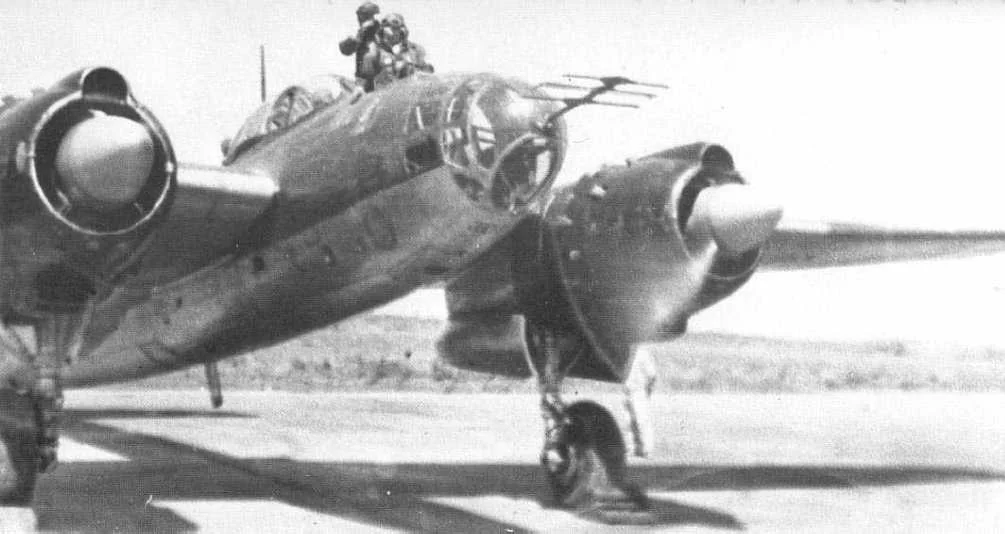
A fast Japanese Navy land-based attack bomber designed for bombing, torpedo attack, and later night-fighter conversions.
Open aircraft profile →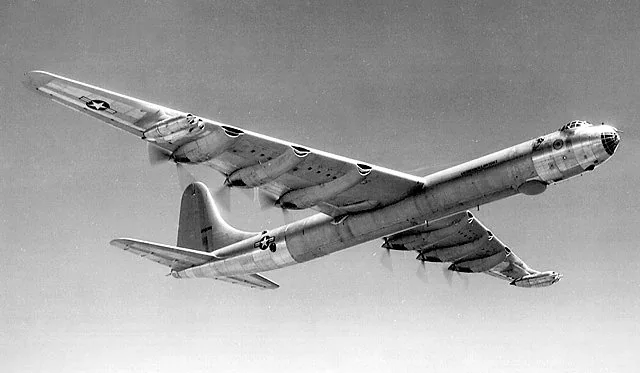
An intercontinental strategic bomber conceived during World War II and becoming a central early Strategic Air Command deterrent.
Open aircraft profile →
A swept-wing six-engine jet bomber whose configuration strongly influenced subsequent large jet aircraft and Strategic Air Command operations.
Open aircraft profile →
A substantially updated B-29-derived strategic bomber with more powerful engines and postwar systems changes.
Open aircraft profile →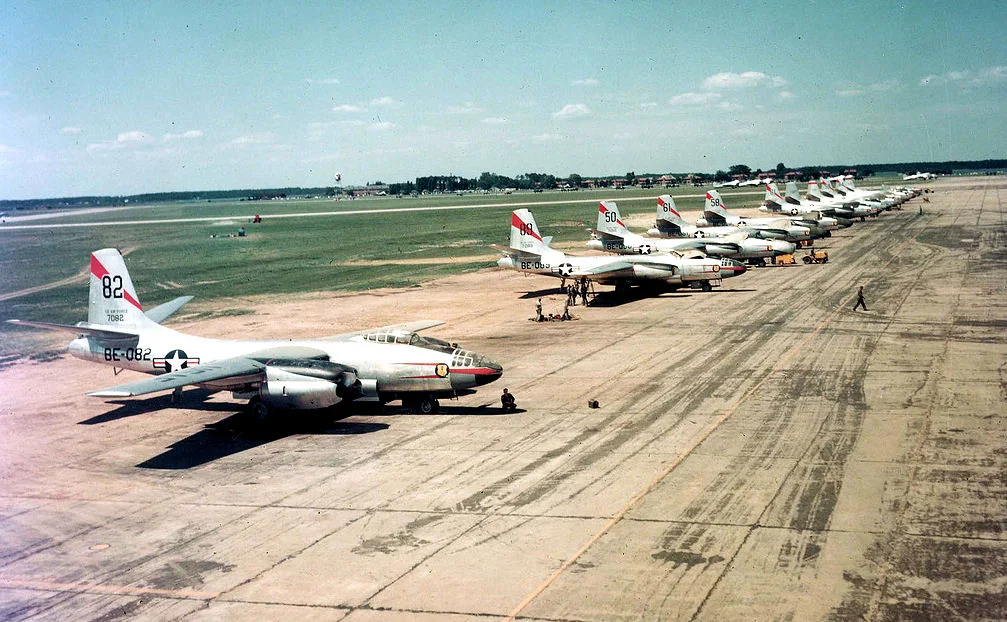
The first operational U.S. four-engine jet bomber, fielded for tactical nuclear and conventional bombing roles.
Open aircraft profile →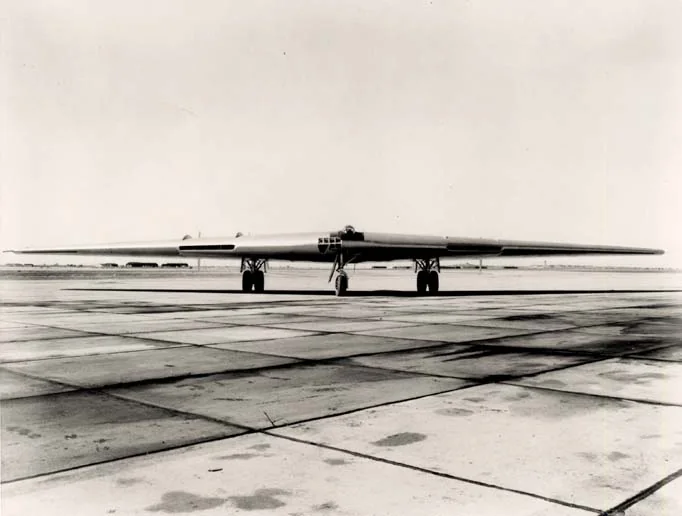
A jet-powered flying-wing strategic bomber prototype developed from Northrop’s wartime XB-35 program.
Open aircraft profile →
A twin-jet bomber developed in parallel with the Il-28 and used principally by Soviet naval aviation as a torpedo bomber.
Open aircraft profile →
A Soviet reverse-engineered development of the B-29 Superfortress that provided a major postwar long-range bomber capability.
Open aircraft profile →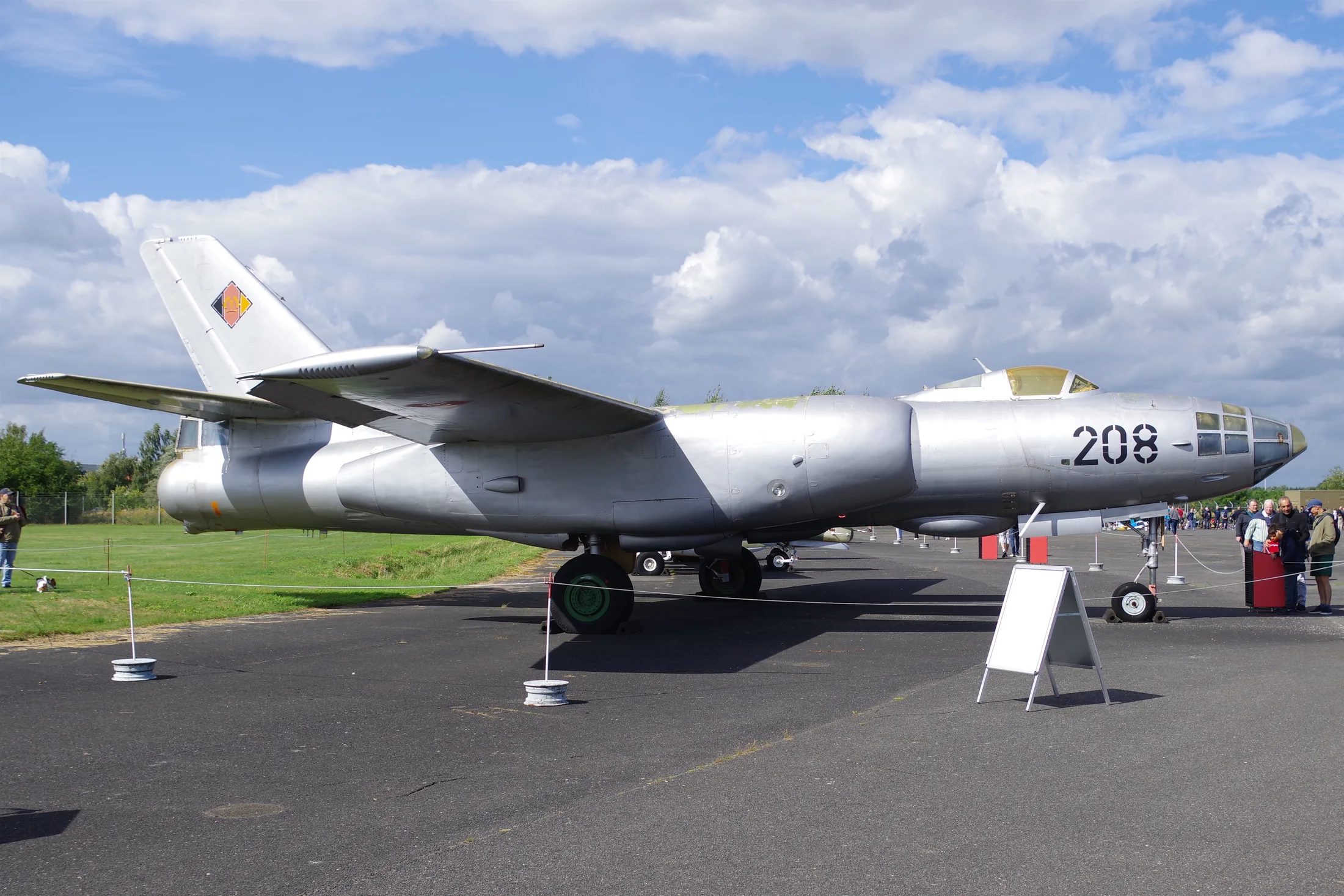
A compact twin-jet tactical bomber that became one of the Soviet Union’s most widely exported early jet bombers.
Open aircraft profile →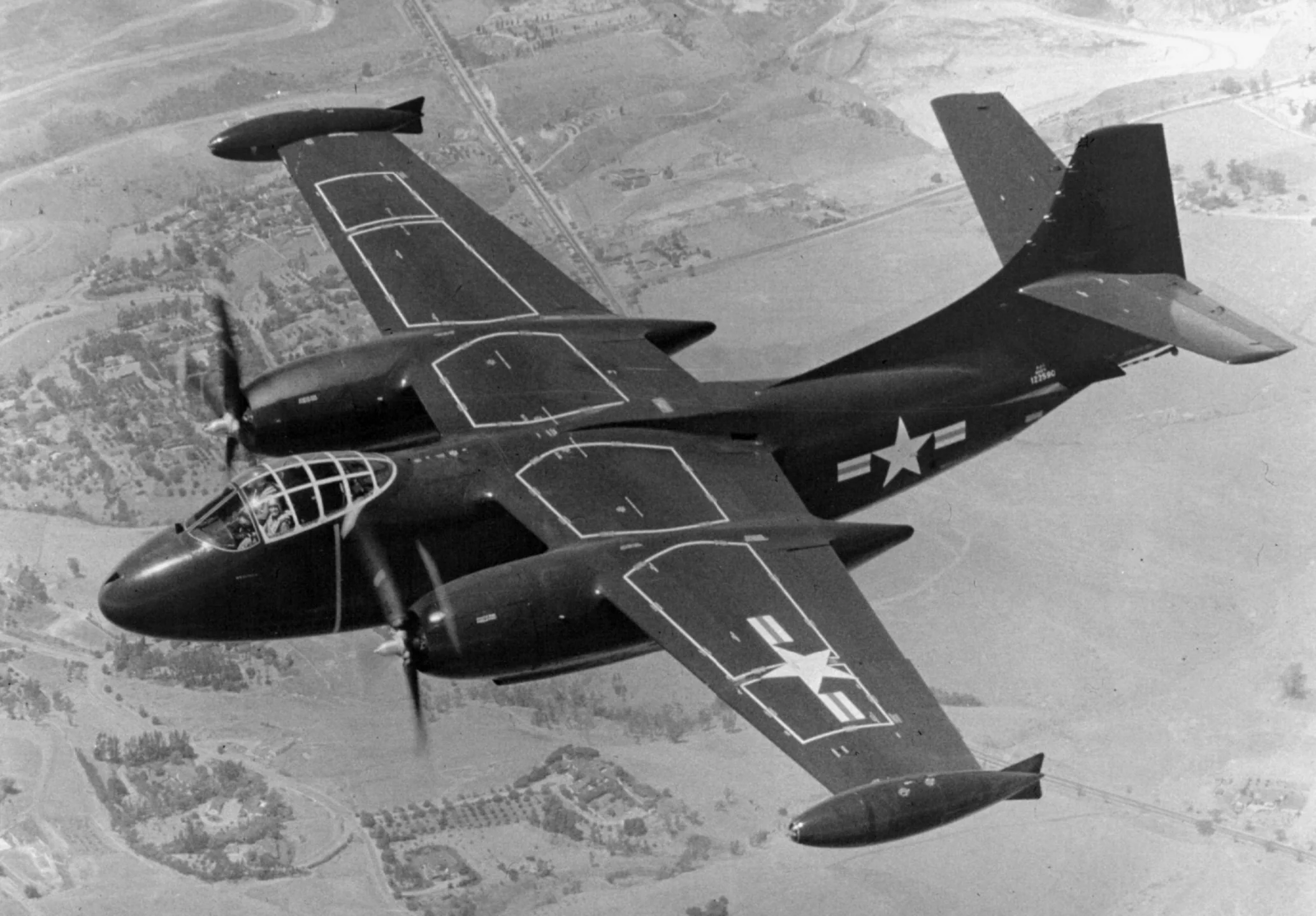
A mixed-propulsion carrier bomber designed to give the U.S. Navy an early nuclear strike capability.
Open aircraft profile →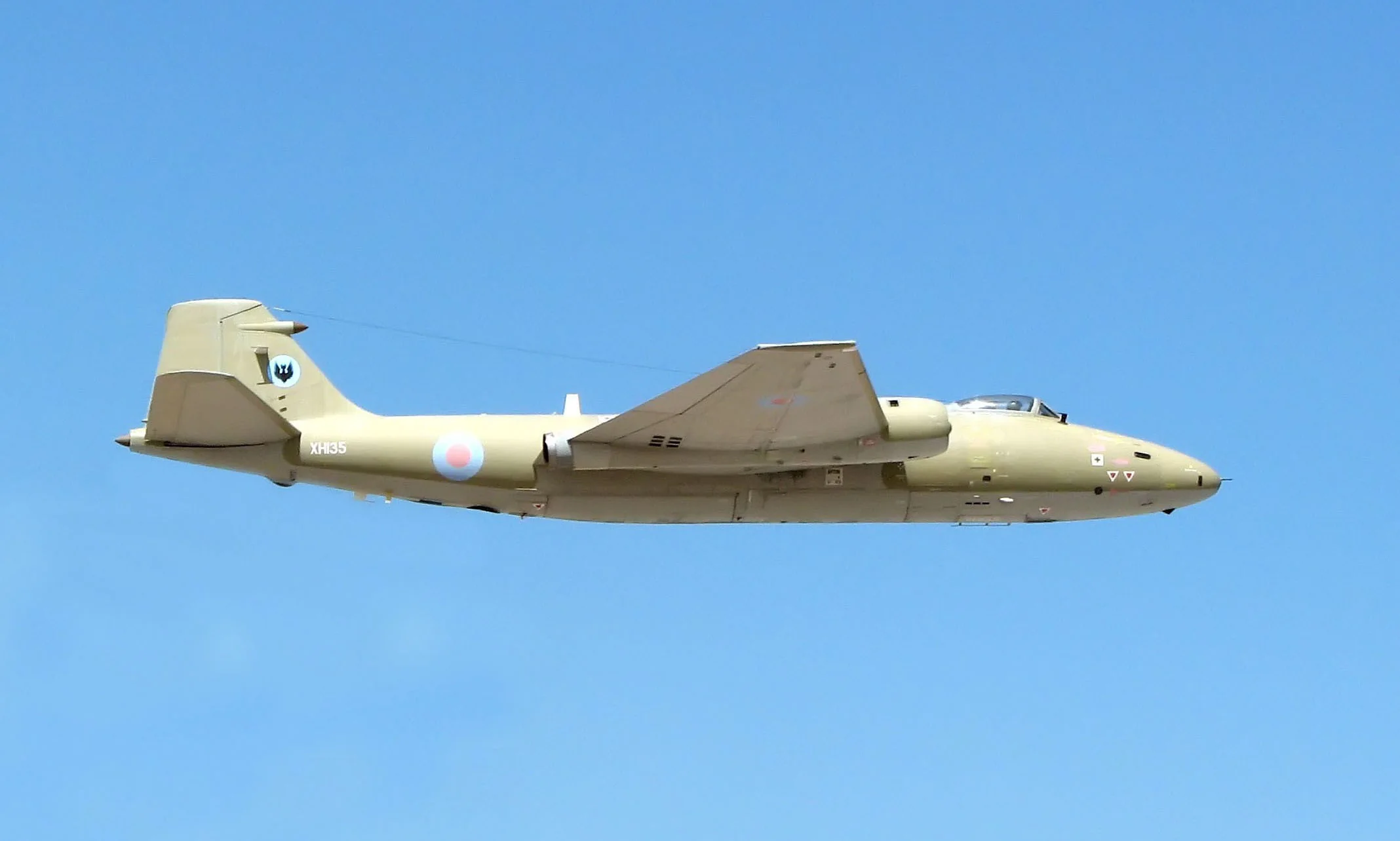
A high-altitude twin-jet light bomber that entered RAF service in 1951 and became one of the most widely used postwar bomber designs.
Open aircraft profile →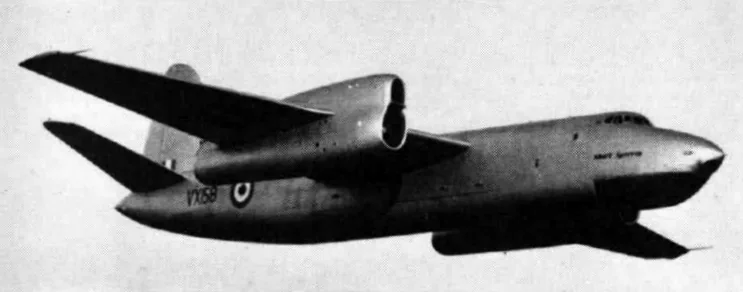
A British four-engine jet bomber prototype built as insurance during development of the V-bomber force.
Open aircraft profile →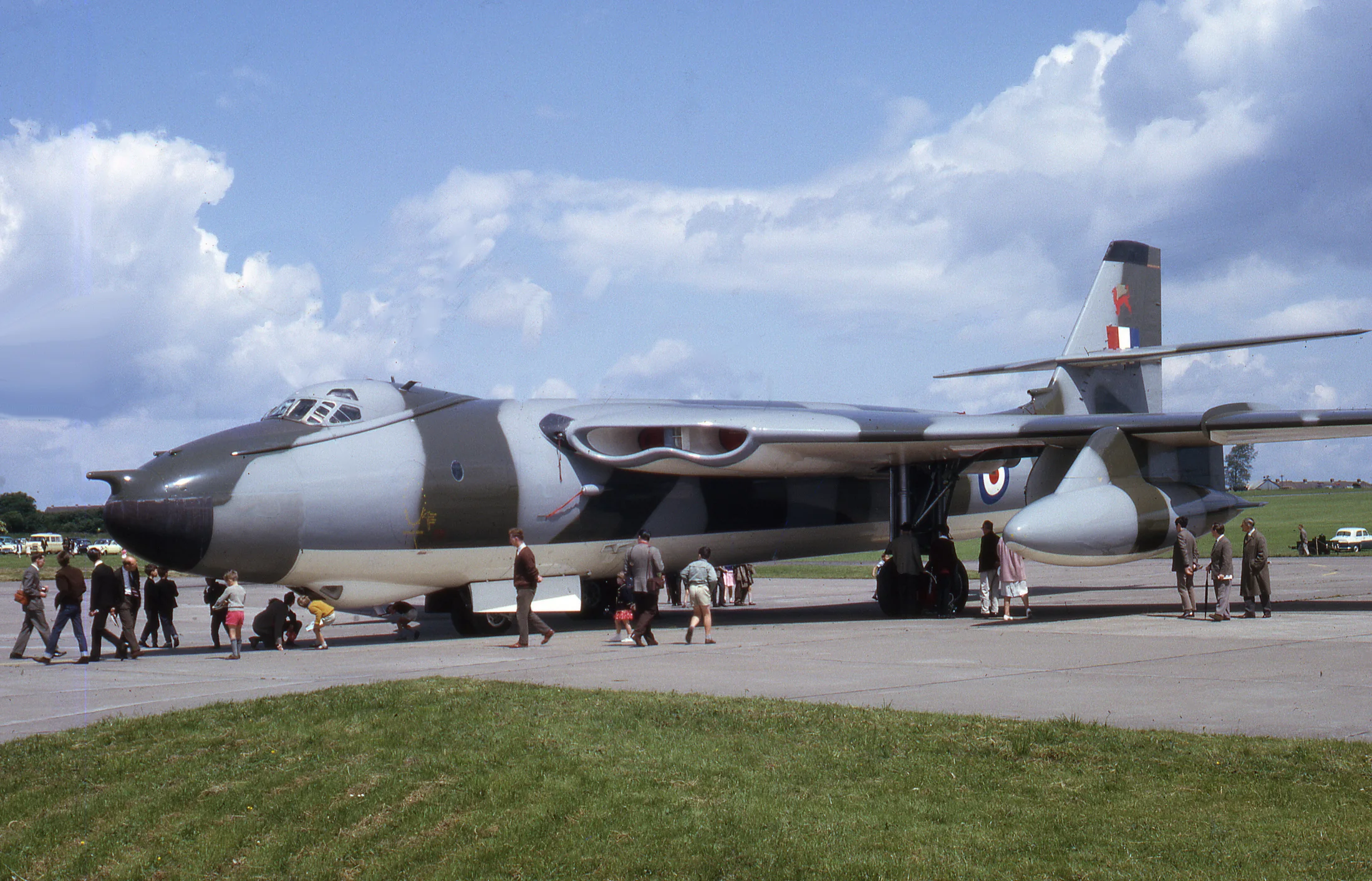
The first of Britain’s V-bombers to enter service, providing an early jet strategic nuclear-delivery capability.
Open aircraft profile →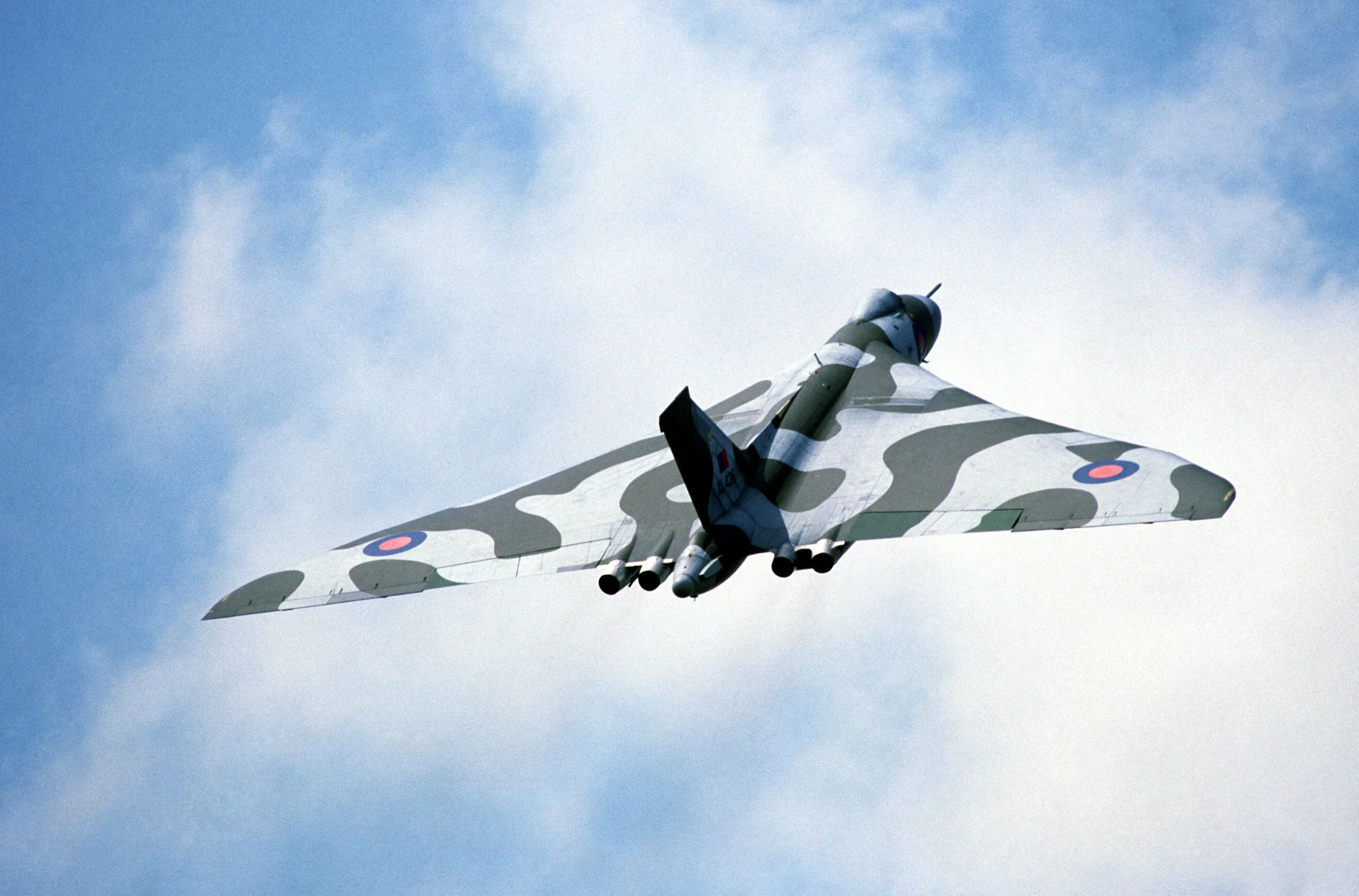
A delta-wing strategic bomber developed for Britain’s nuclear deterrent force and first flown in 1952.
Open aircraft profile →
An eight-engine intercontinental jet bomber first flown in 1952 and introduced into Strategic Air Command in 1955.
Open aircraft profile →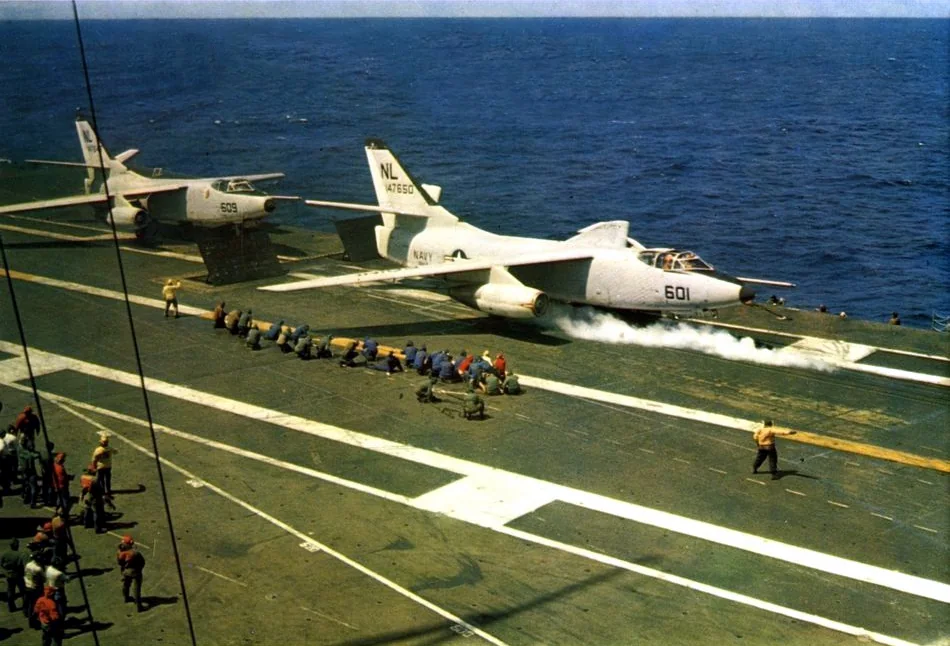
A large twin-jet carrier bomber designed for nuclear strike and later adapted to electronic and support missions.
Open aircraft profile →
A crescent-wing strategic bomber developed as one of Britain’s three V-bomber families.
Open aircraft profile →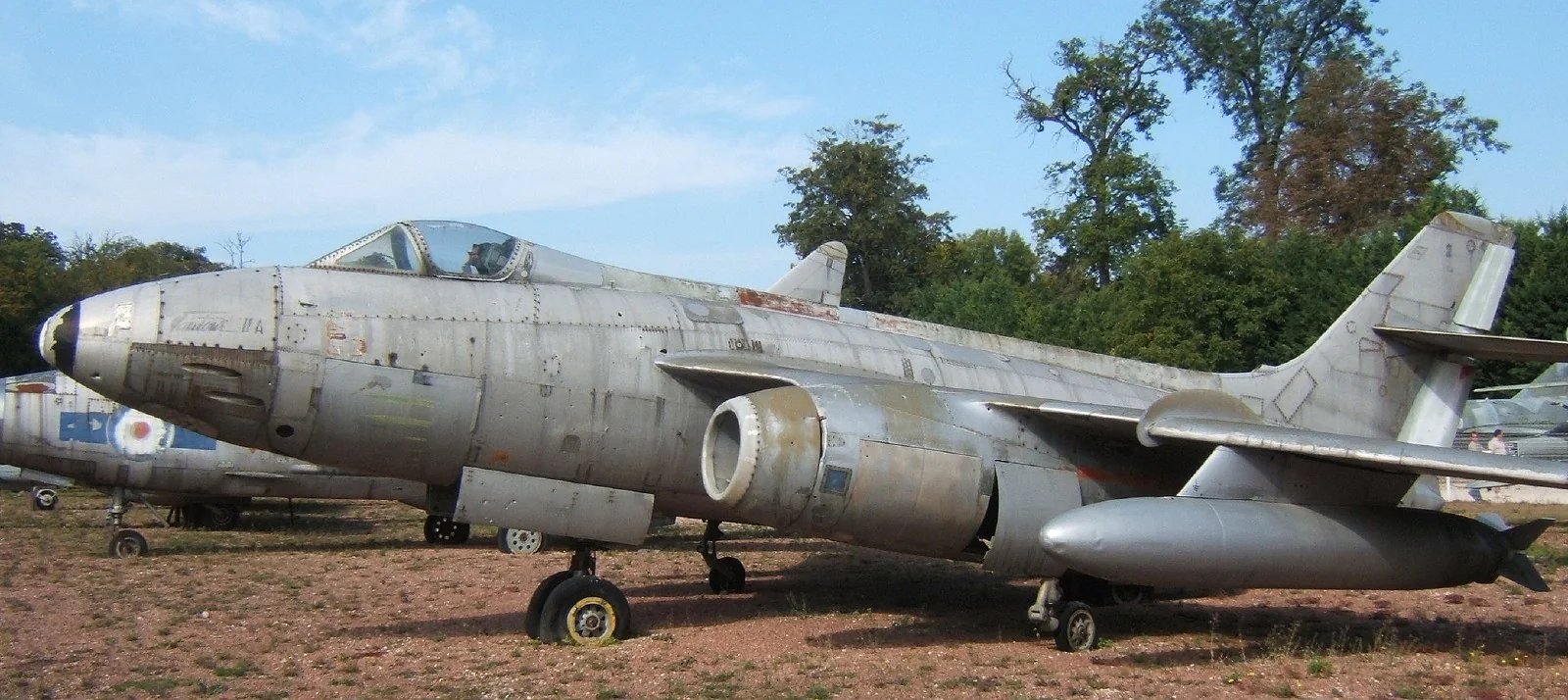
A large twin-engine French combat aircraft produced in attack, bomber, and all-weather interceptor versions.
Open aircraft profile →
A swept-wing twin-jet medium bomber that became a central Soviet strike platform with numerous missile, reconnaissance, and maritime variants.
Open aircraft profile →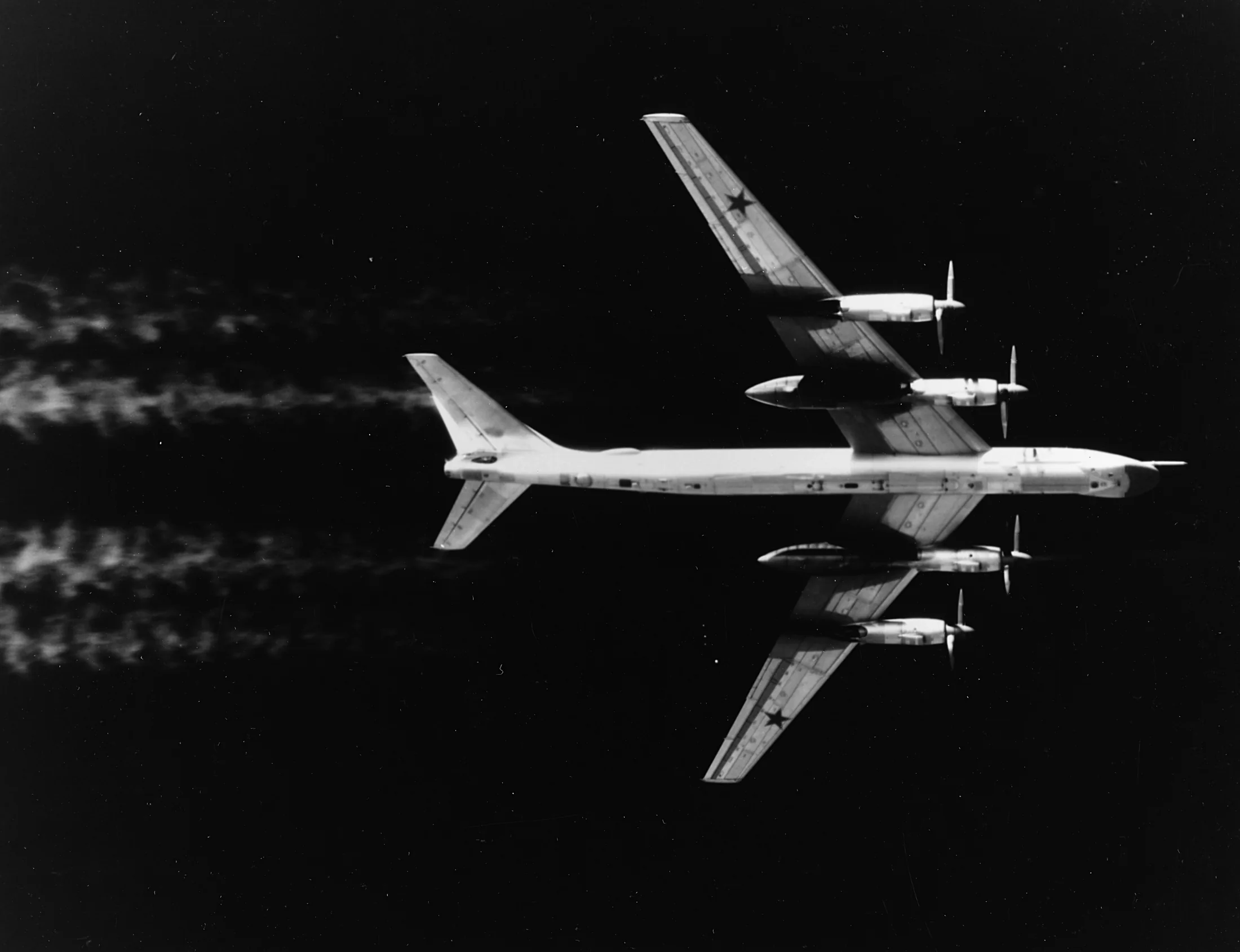
A long-range turboprop strategic bomber first flown in 1952 and developed into an exceptionally long-lived family.
Open aircraft profile →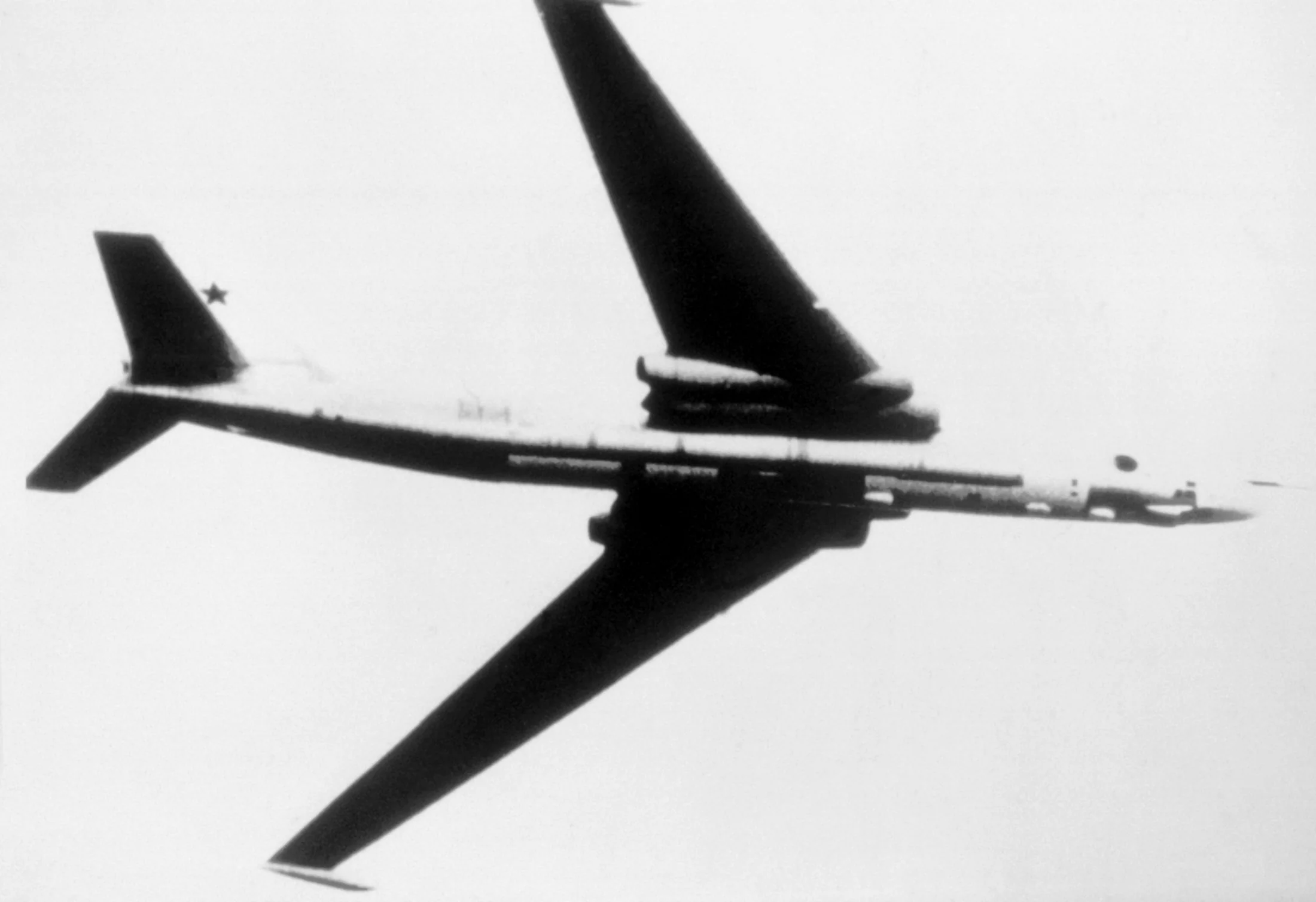
A four-engine swept-wing strategic jet bomber developed to give the Soviet Union intercontinental nuclear-delivery reach.
Open aircraft profile →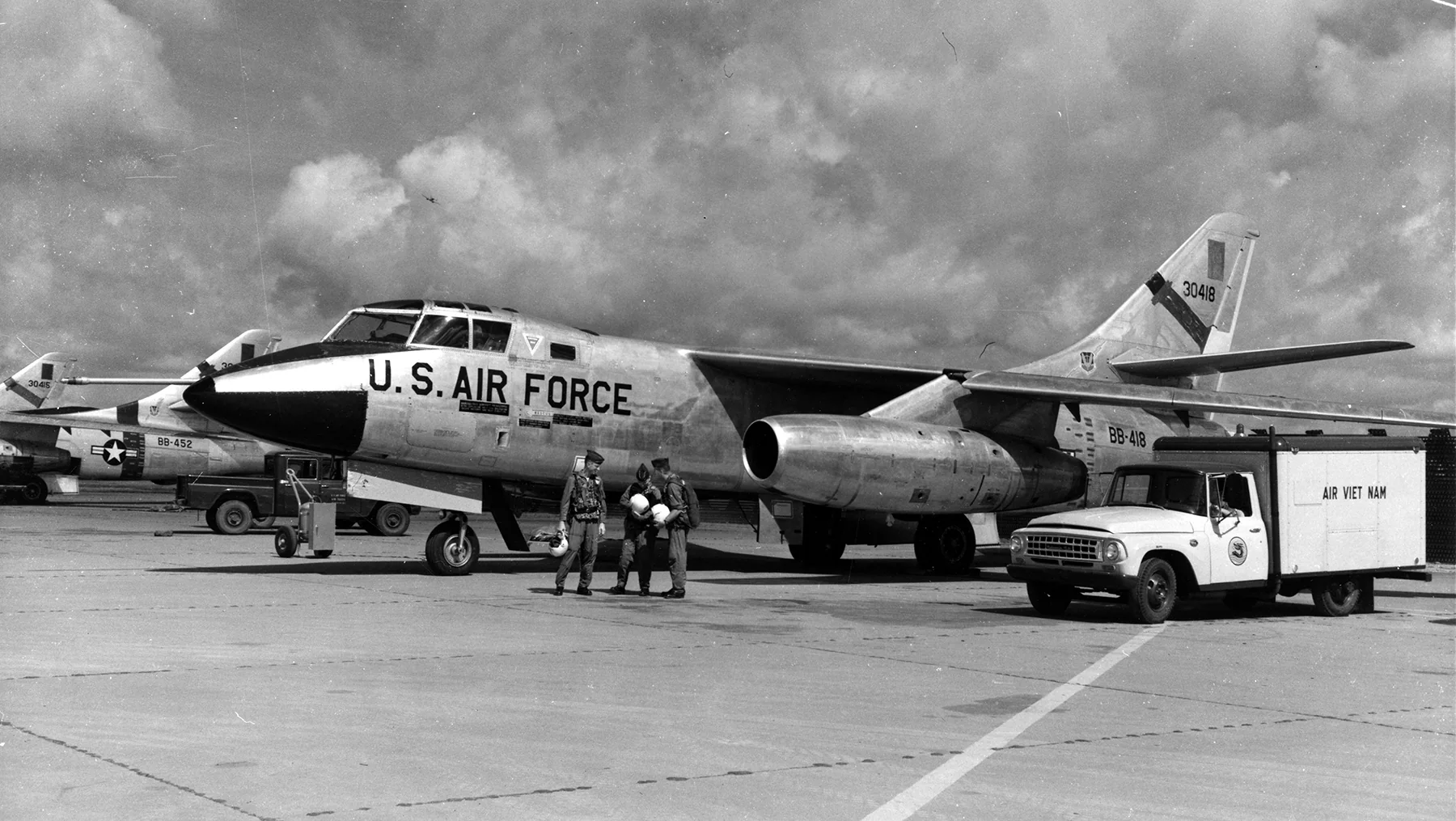
A land-based tactical bomber developed from the Navy’s A3D design and later adapted extensively for reconnaissance and electronic warfare.
Open aircraft profile →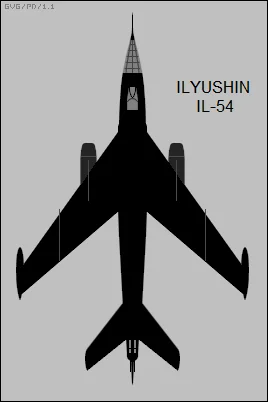
A swept-wing supersonic bomber prototype representing Ilyushin’s final major jet-bomber development of the period.
Open aircraft profile →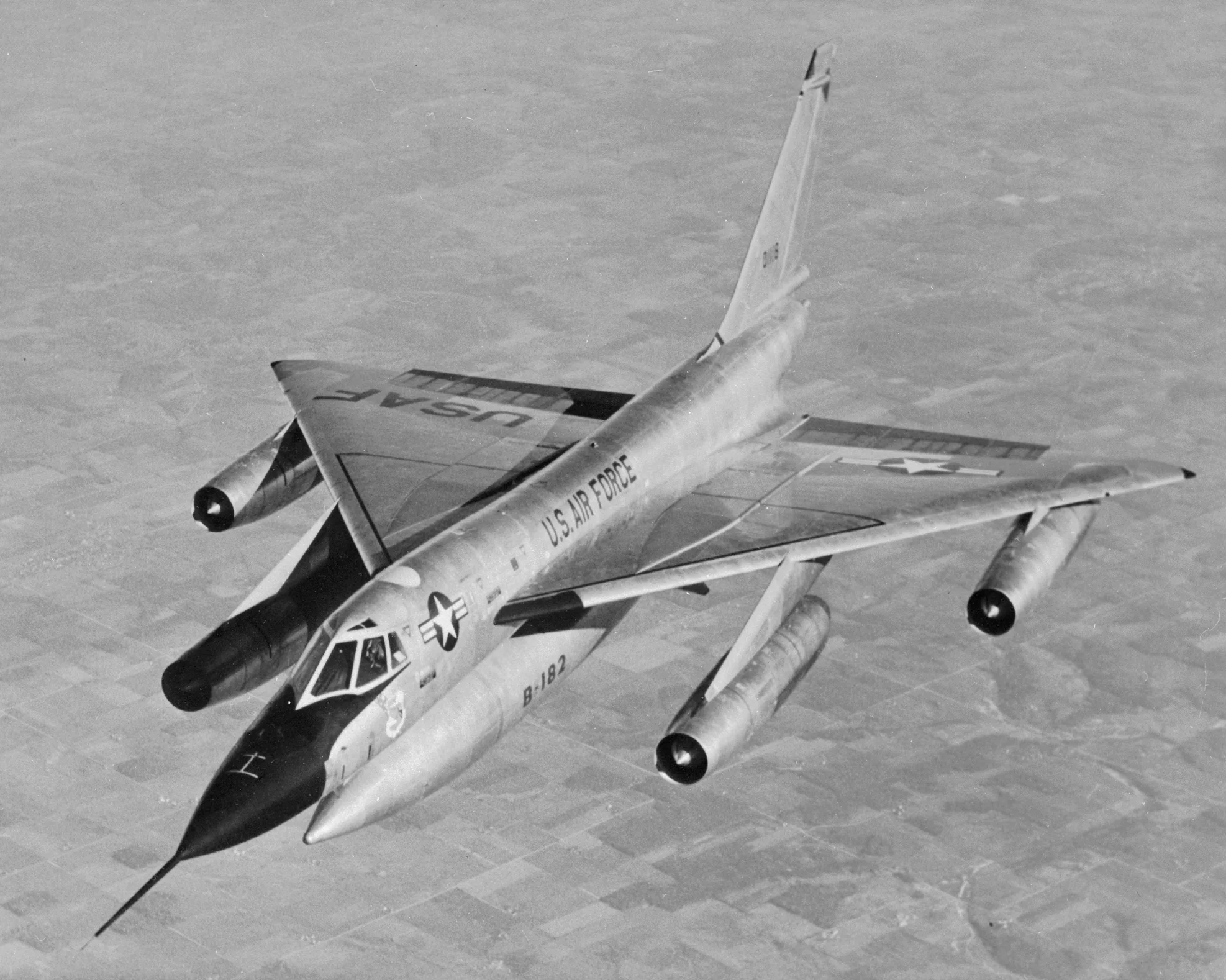
The U.S. Air Force’s first operational supersonic bomber, optimized for high-speed nuclear strike.
Open aircraft profile →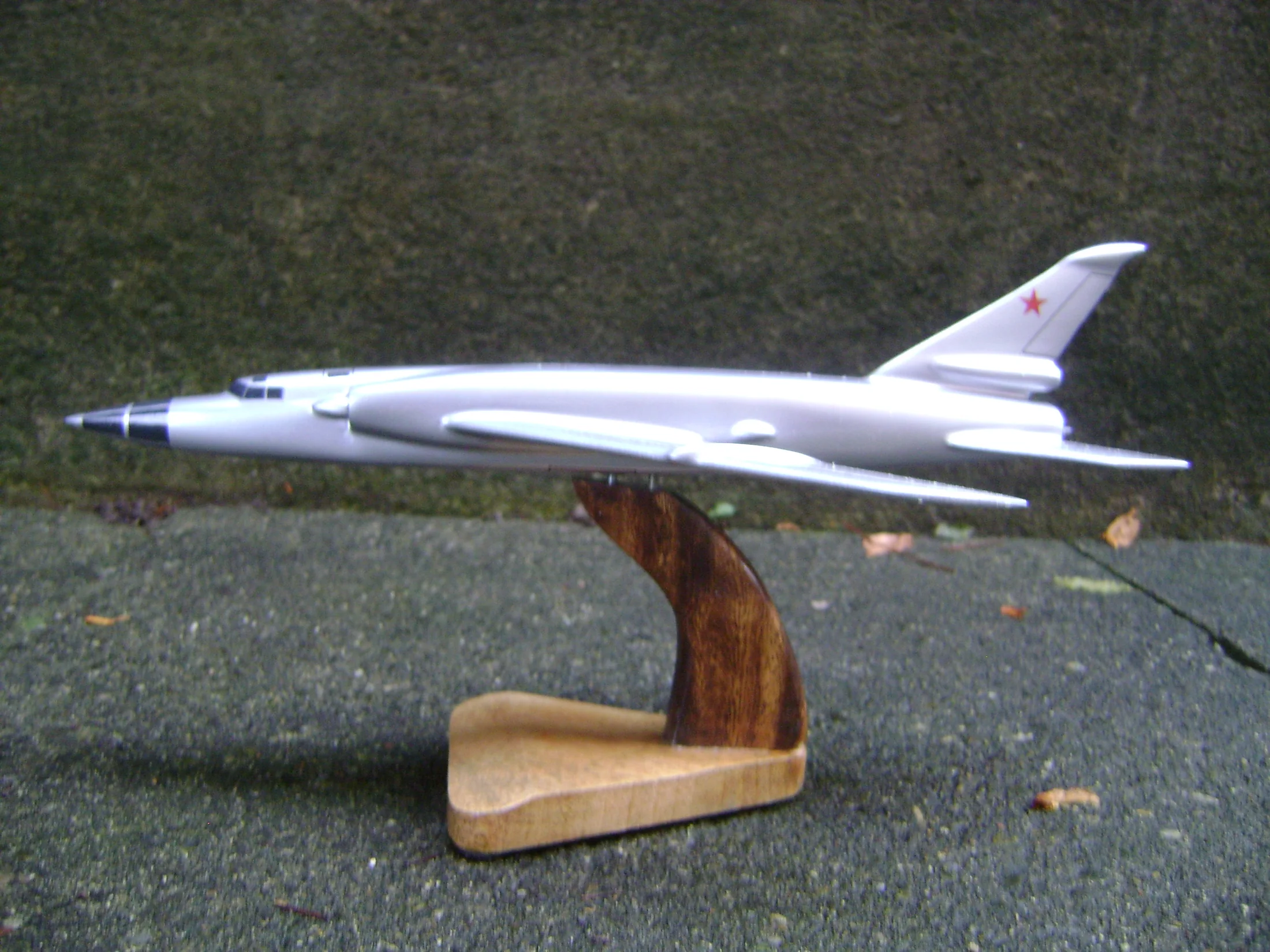
A supersonic bomber prototype that influenced later Tupolev strike-aircraft development.
Open aircraft profile →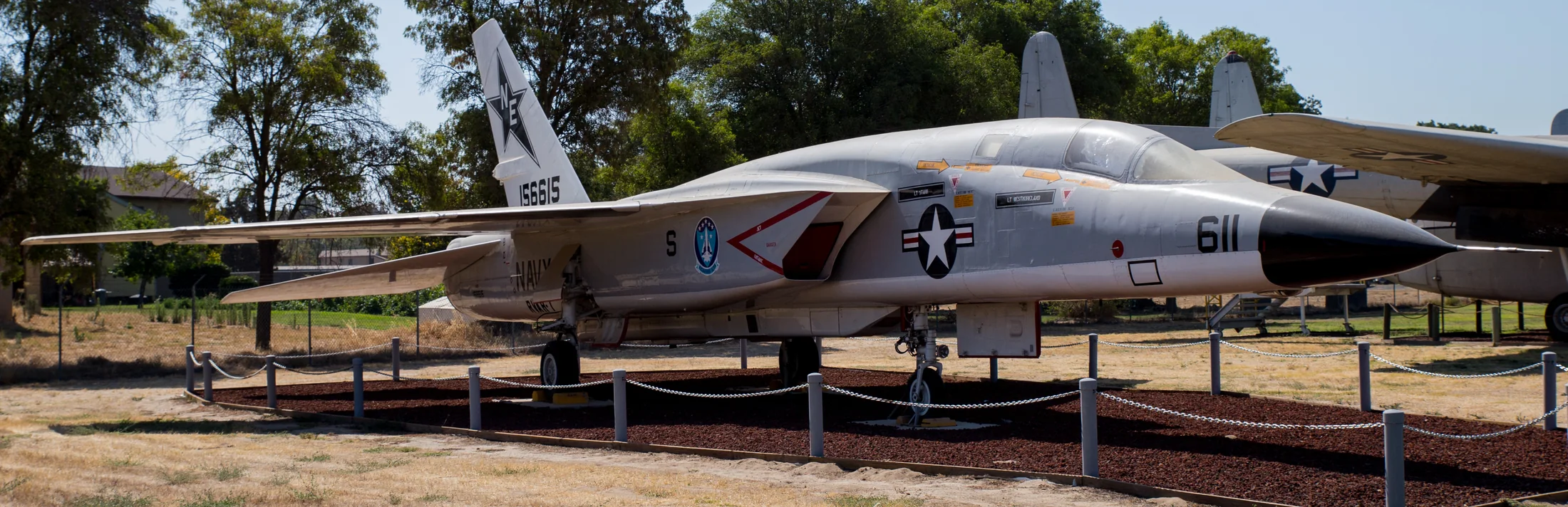
A supersonic carrier-based strategic attack aircraft later adapted extensively for reconnaissance.
Open aircraft profile →
A supersonic tactical combat-aircraft family produced in bomber, interceptor, reconnaissance, and electronic-warfare versions.
Open aircraft profile →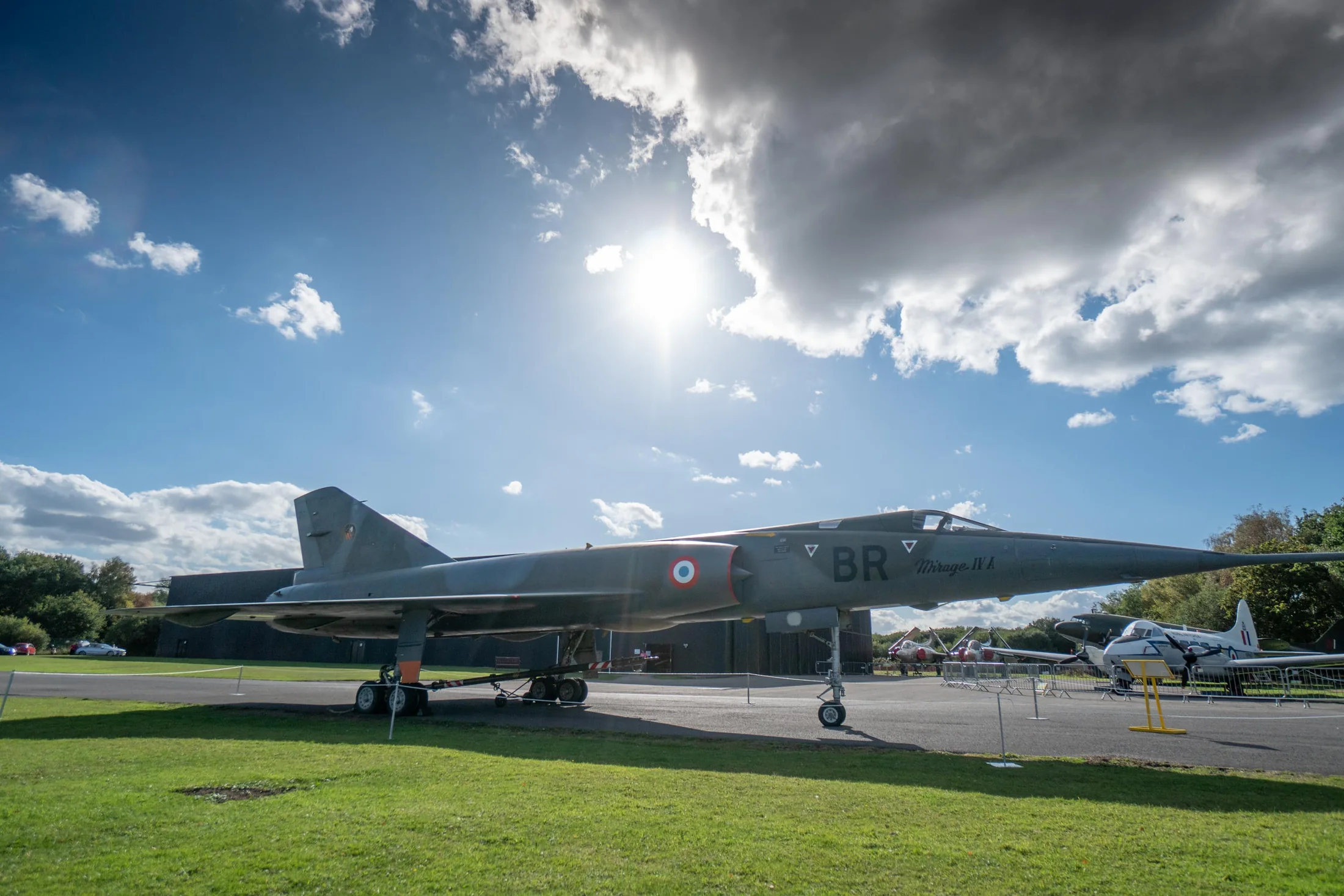
A supersonic strategic bomber developed as the airborne component of France’s nuclear deterrent.
Open aircraft profile →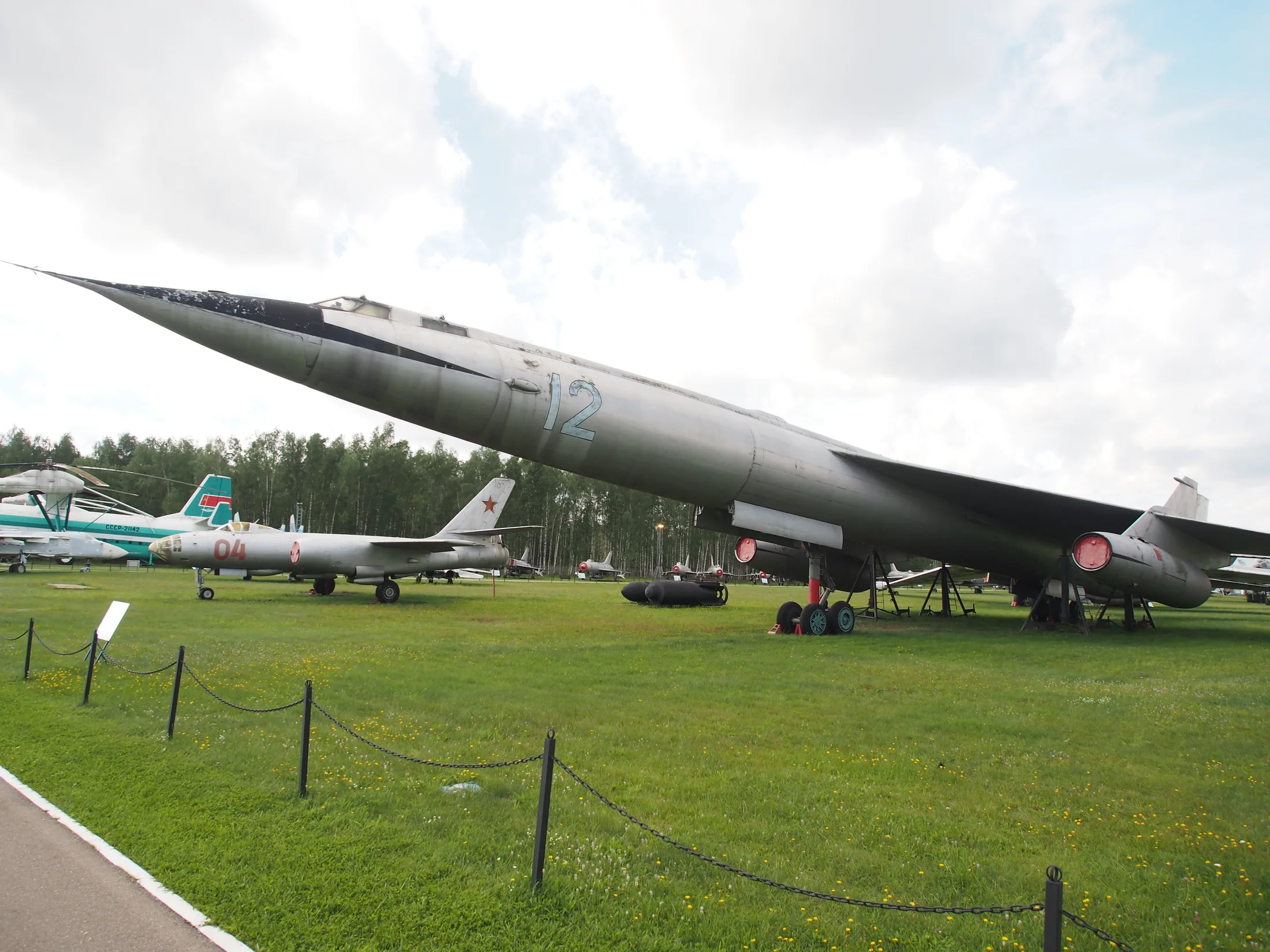
A large supersonic strategic bomber prototype built to investigate very-high-speed nuclear strike concepts.
Open aircraft profile →
The Soviet Union’s first production supersonic bomber, developed for nuclear and conventional strike.
Open aircraft profile →
A Chinese-built and progressively redesigned development of the Tu-16 that became a long-lived bomber and missile-carrier family.
Open aircraft profile →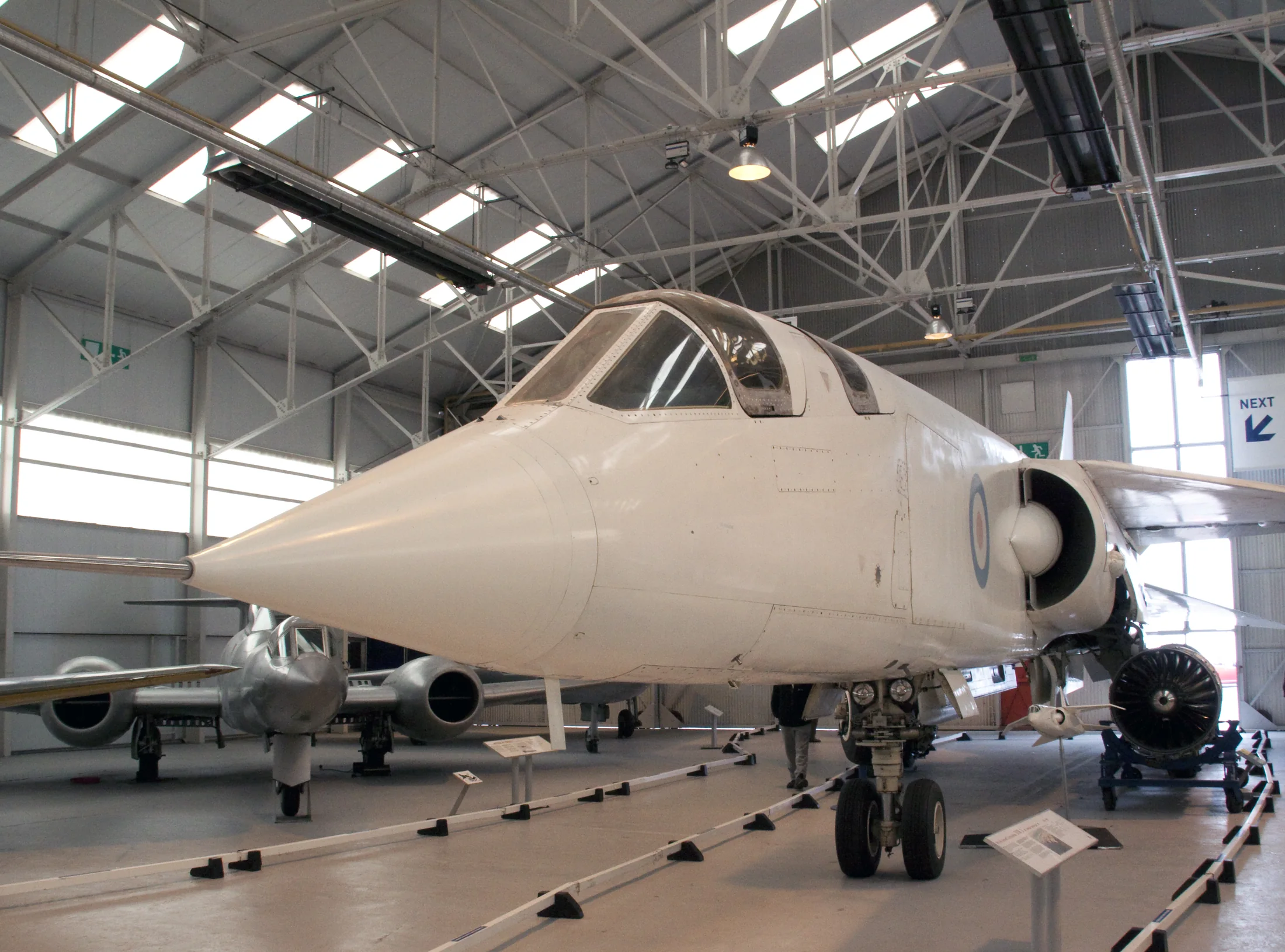
An advanced low-level supersonic strike and reconnaissance aircraft canceled after prototype flight testing.
Open aircraft profile →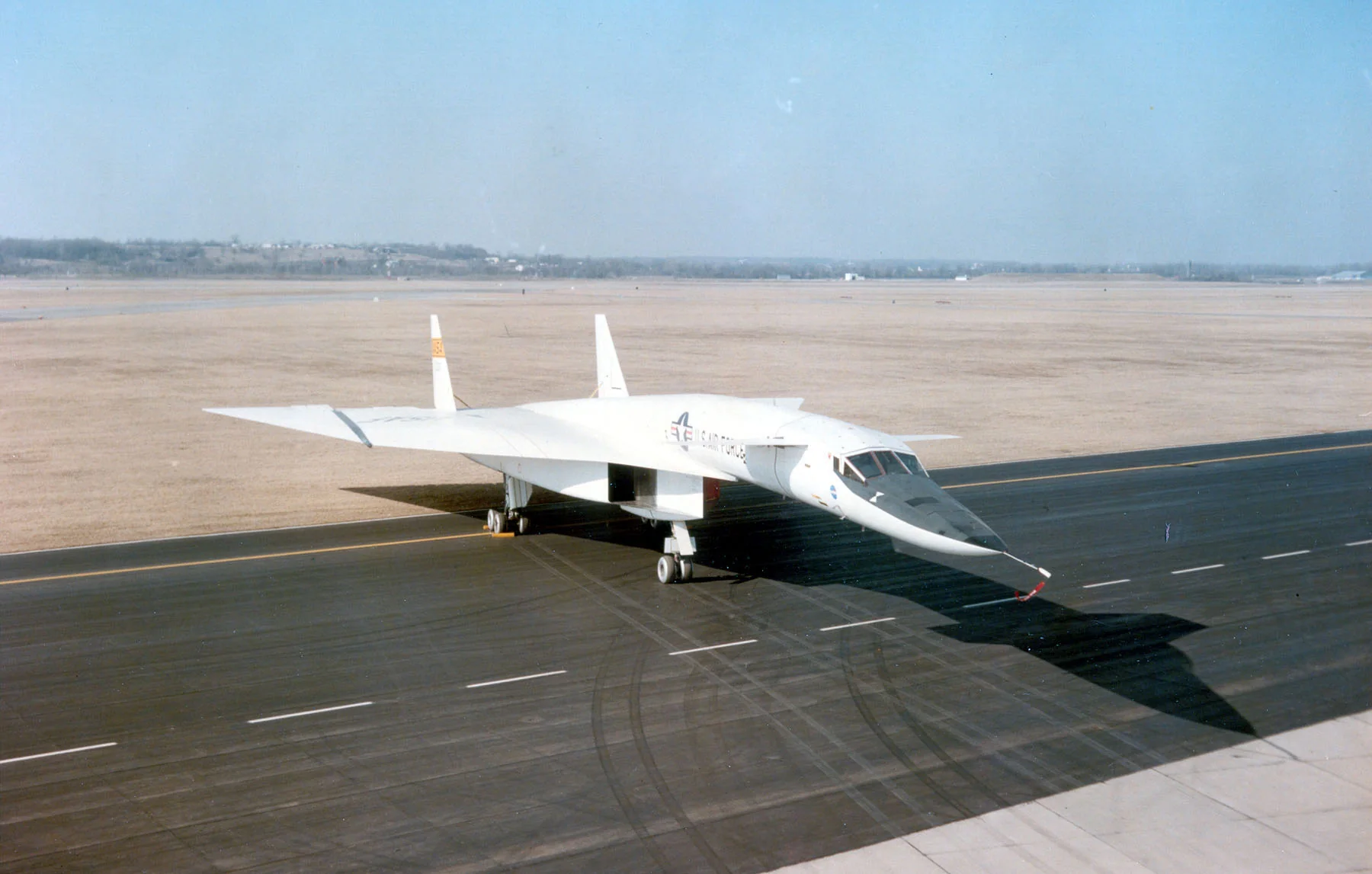
A Mach 3 strategic bomber program completed as a pair of research aircraft after the operational B-70 requirement was canceled.
Open aircraft profile →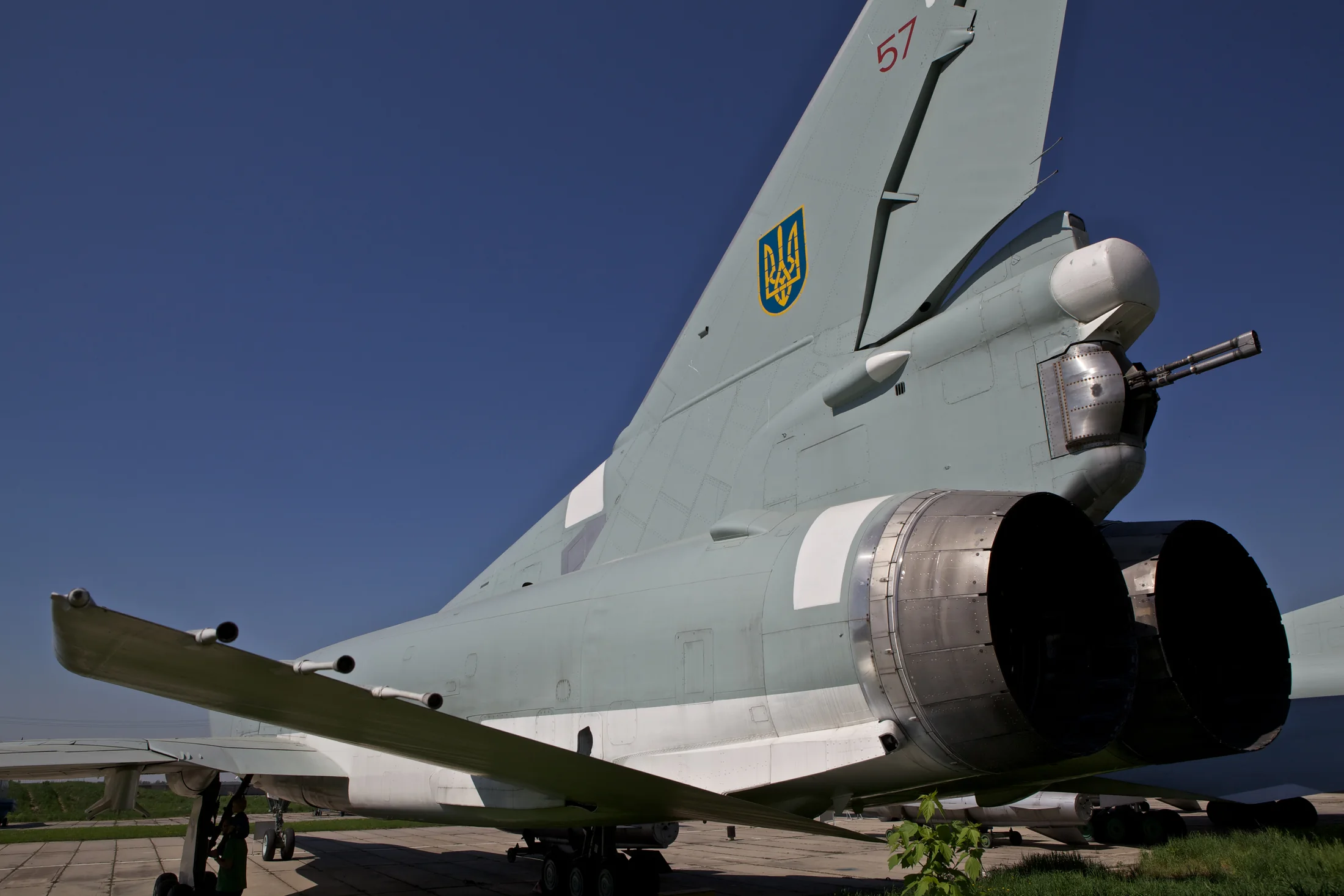
A variable-geometry long-range strike bomber family developed for theater strike and maritime attack.
Open aircraft profile →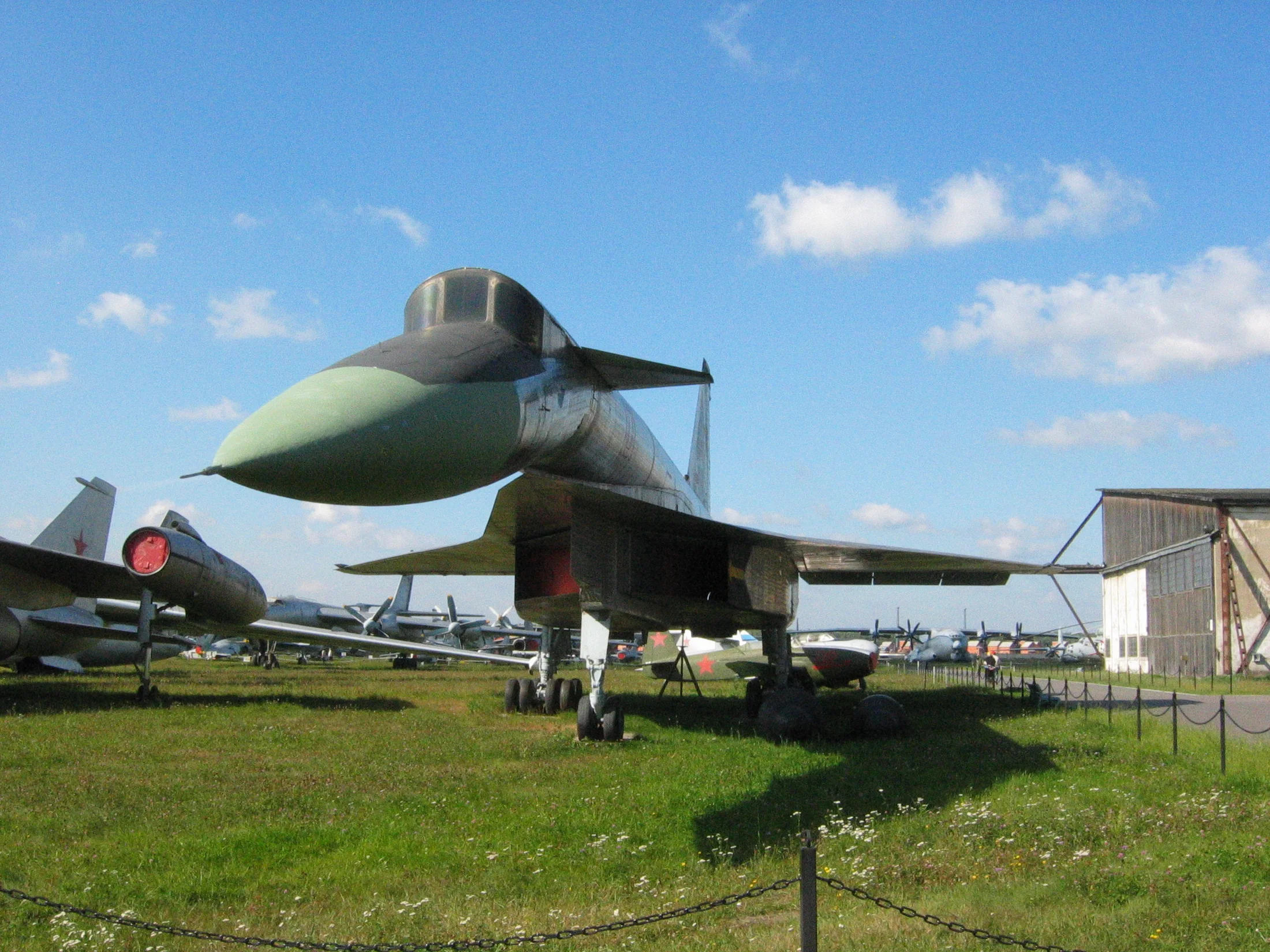
A Mach-3-class strategic strike prototype developed to investigate high-speed penetration and maritime attack.
Open aircraft profile →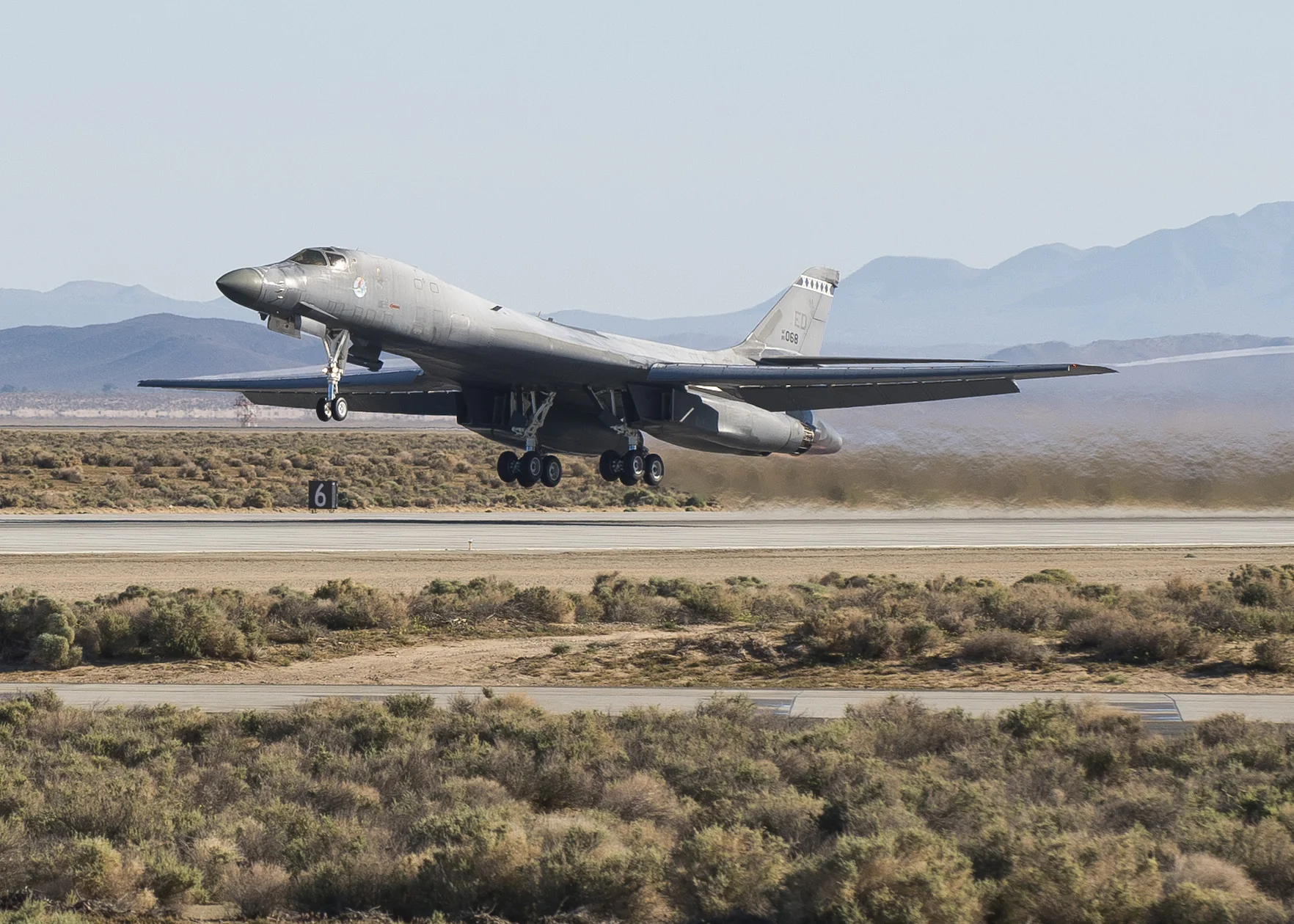
A variable-sweep strategic bomber family whose B-1A prototypes first flew in 1974 and led to the later operational B-1B.
Open aircraft profile →
A variable-sweep supersonic strategic bomber developed for long-range nuclear and conventional missile delivery.
Open aircraft profile →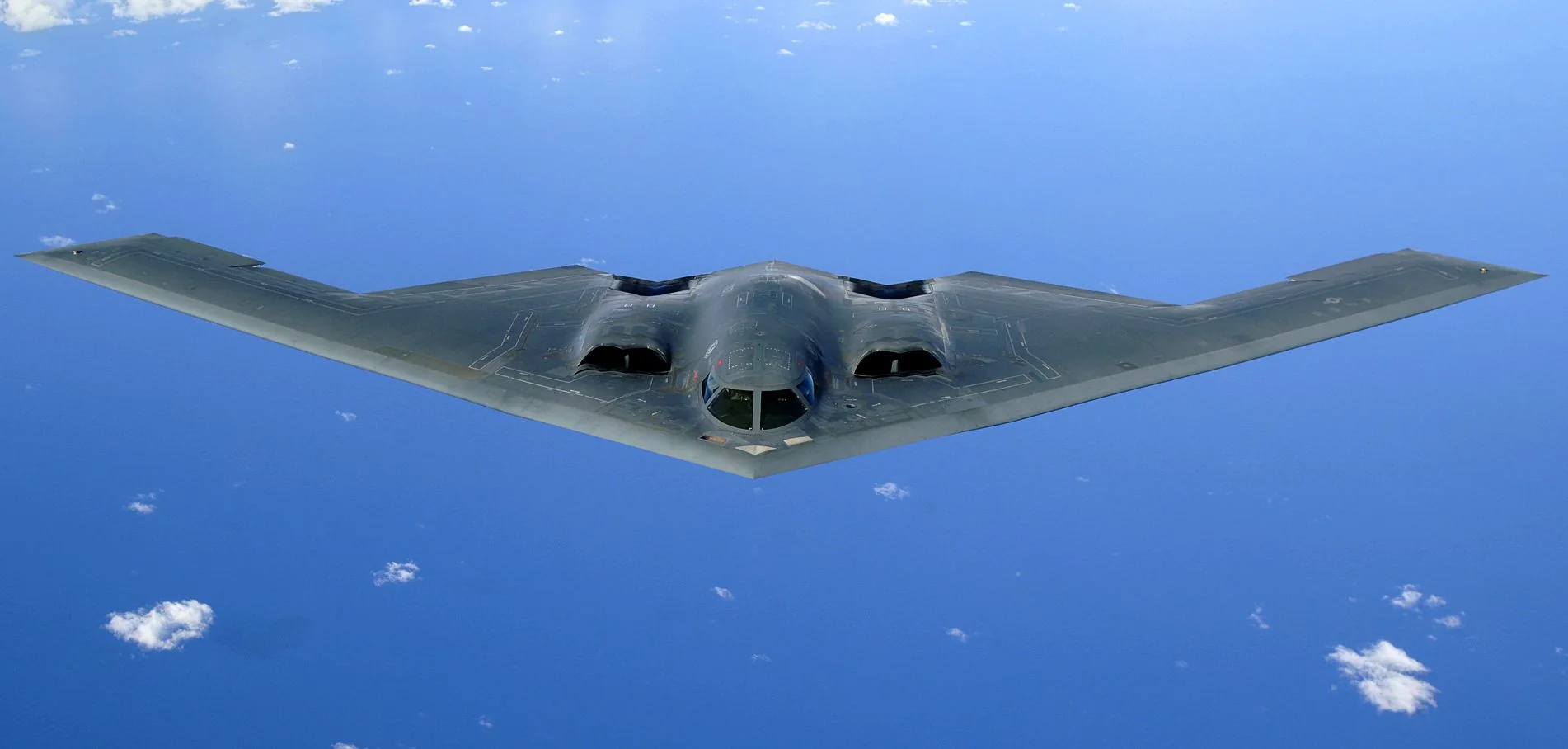
A low-observable flying-wing strategic bomber designed to penetrate sophisticated air defenses with conventional or nuclear payloads.
Open aircraft profile →
A long-range penetrating stealth bomber developed for conventional and nuclear strike in highly contested environments, with production-representative test aircraft in flight test.
Open aircraft profile →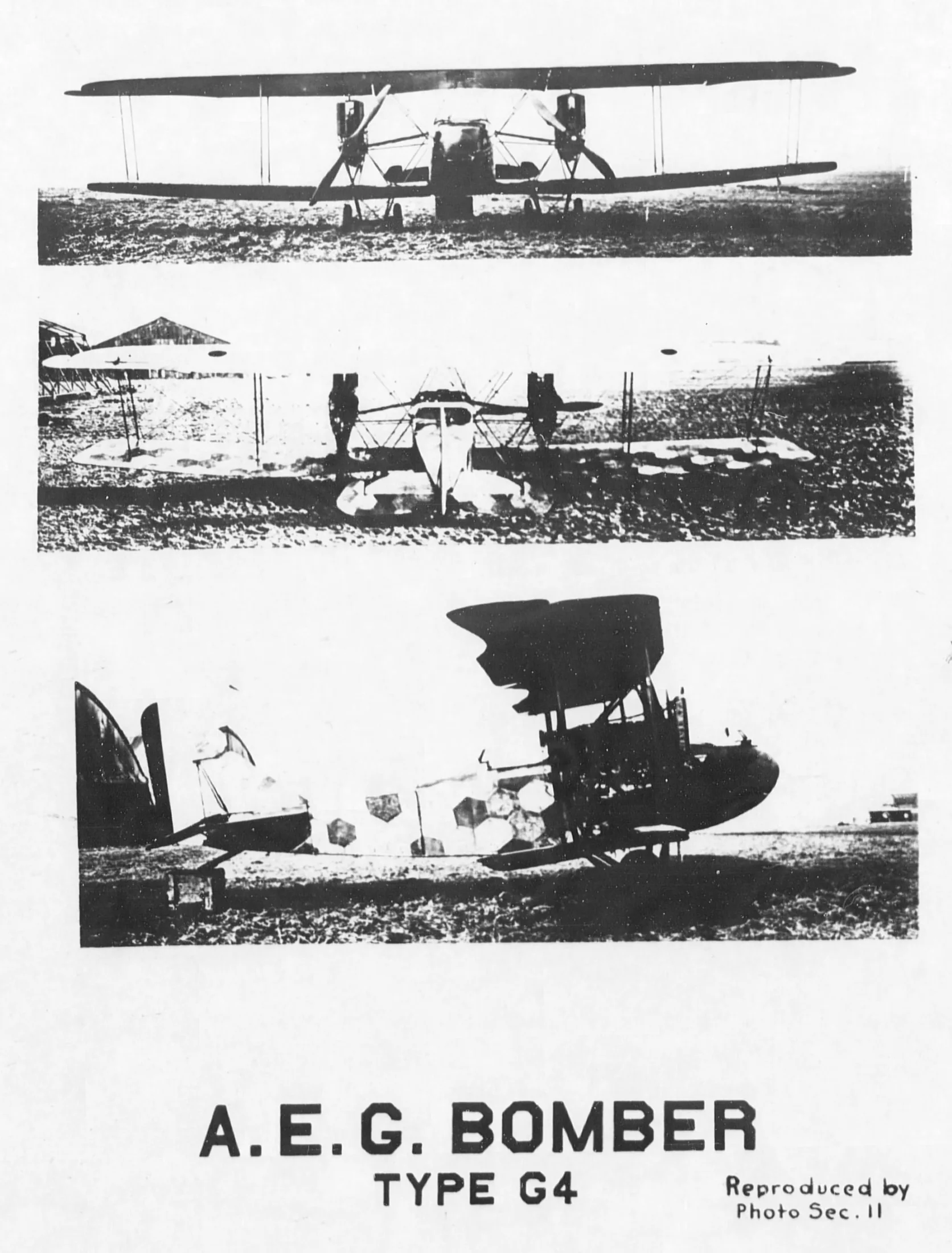
A German twin-engine biplane bomber that served on Western Front night and tactical bombing missions during the First World War.
Open aircraft profile →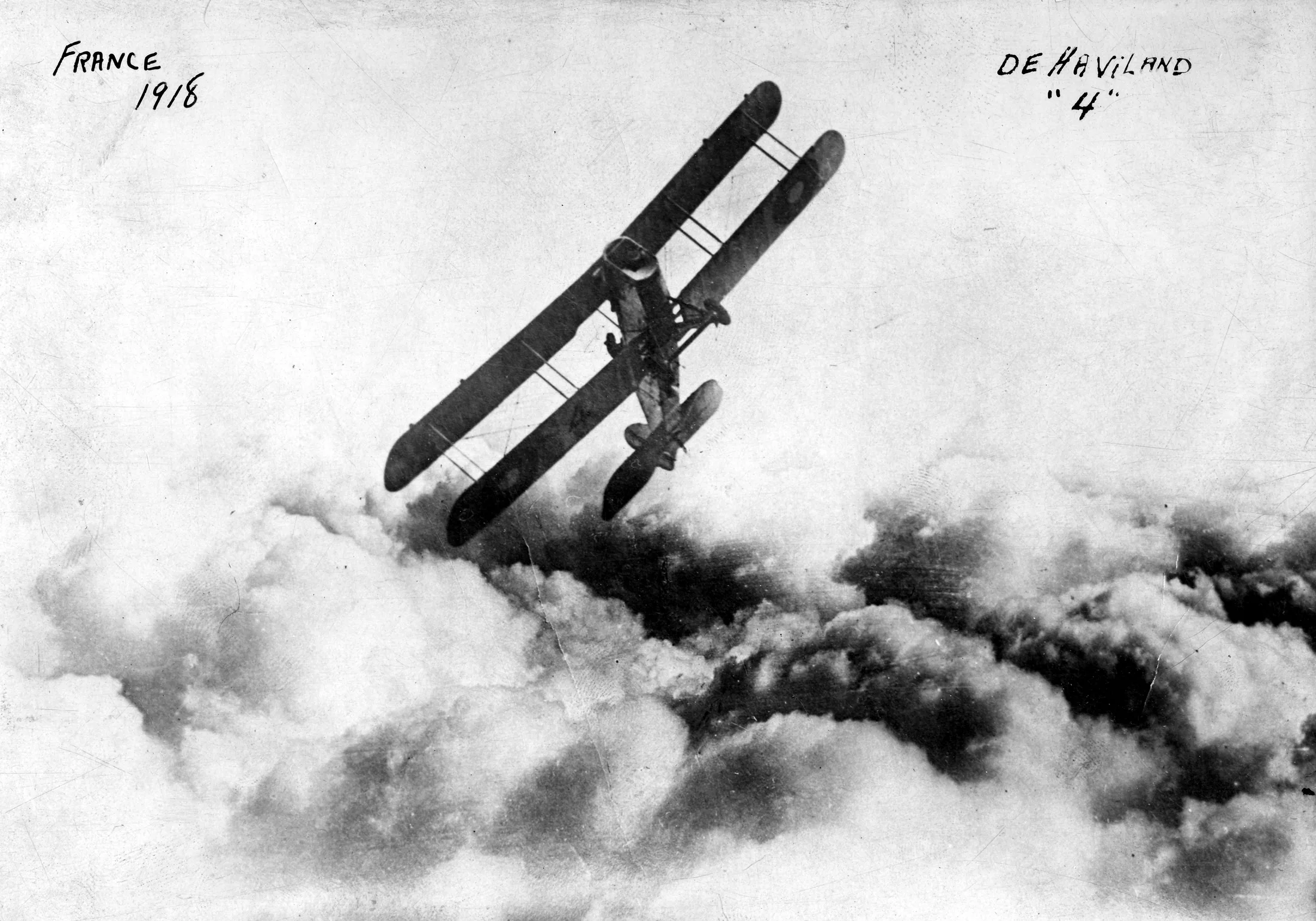
A versatile two-seat British combat aircraft used for day bombing, observation and artillery spotting, and the only American-built aircraft type to see U.S. combat service in World War I.
Open aircraft profile →
A substantially redesigned development of the DH.9 medium bomber, powered by the Liberty engine and introduced late in World War I before a long postwar RAF career.
Open aircraft profile →
A twin-engine British medium bomber whose relatively high performance made it one of the RAF’s more advanced late-1920s bomber designs.
Open aircraft profile →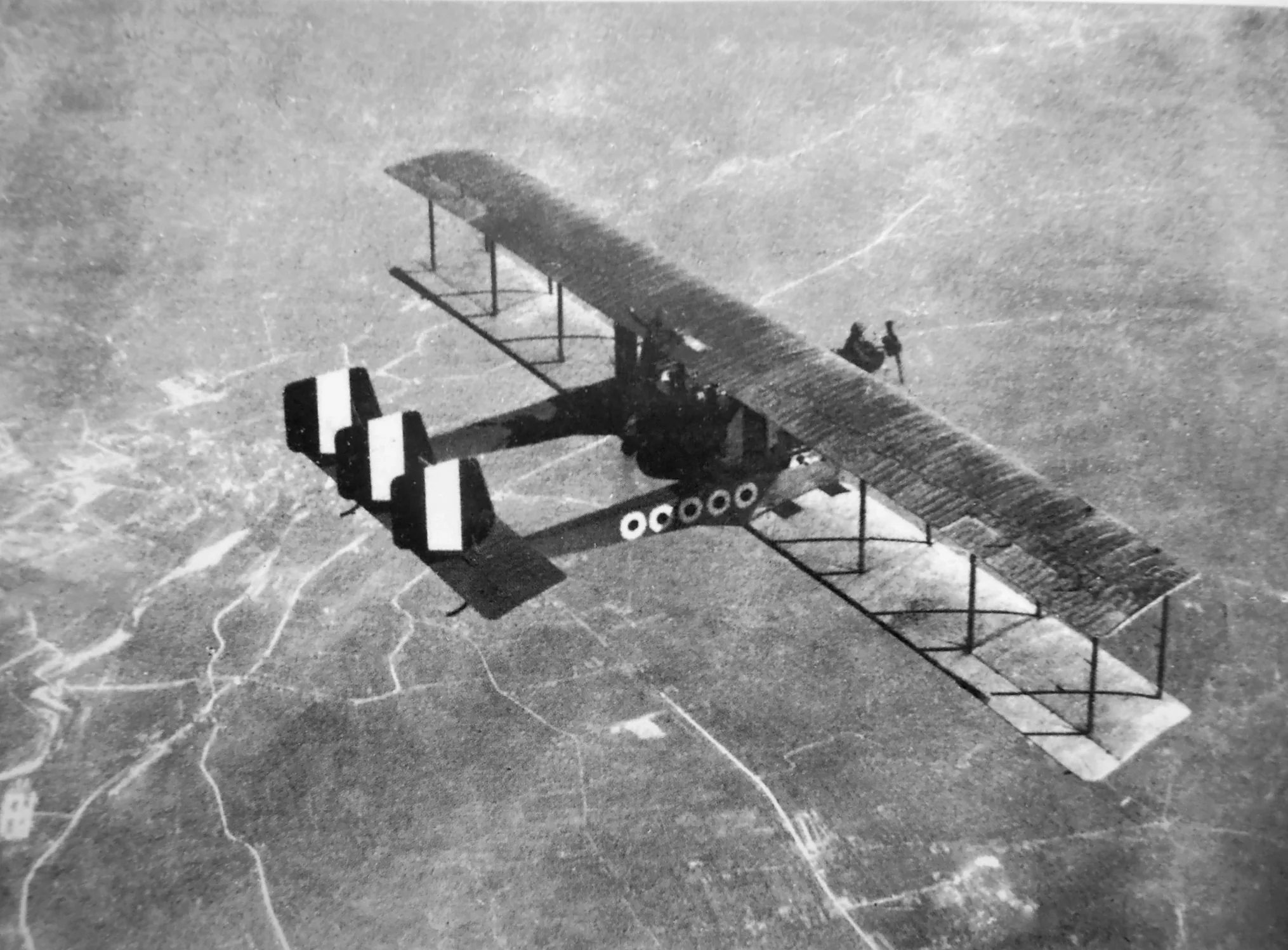
An Italian three-engine biplane bomber family used operationally from 1915 and representative of Italy’s early development of multi-engine long-range bombing aircraft.
Open aircraft profile →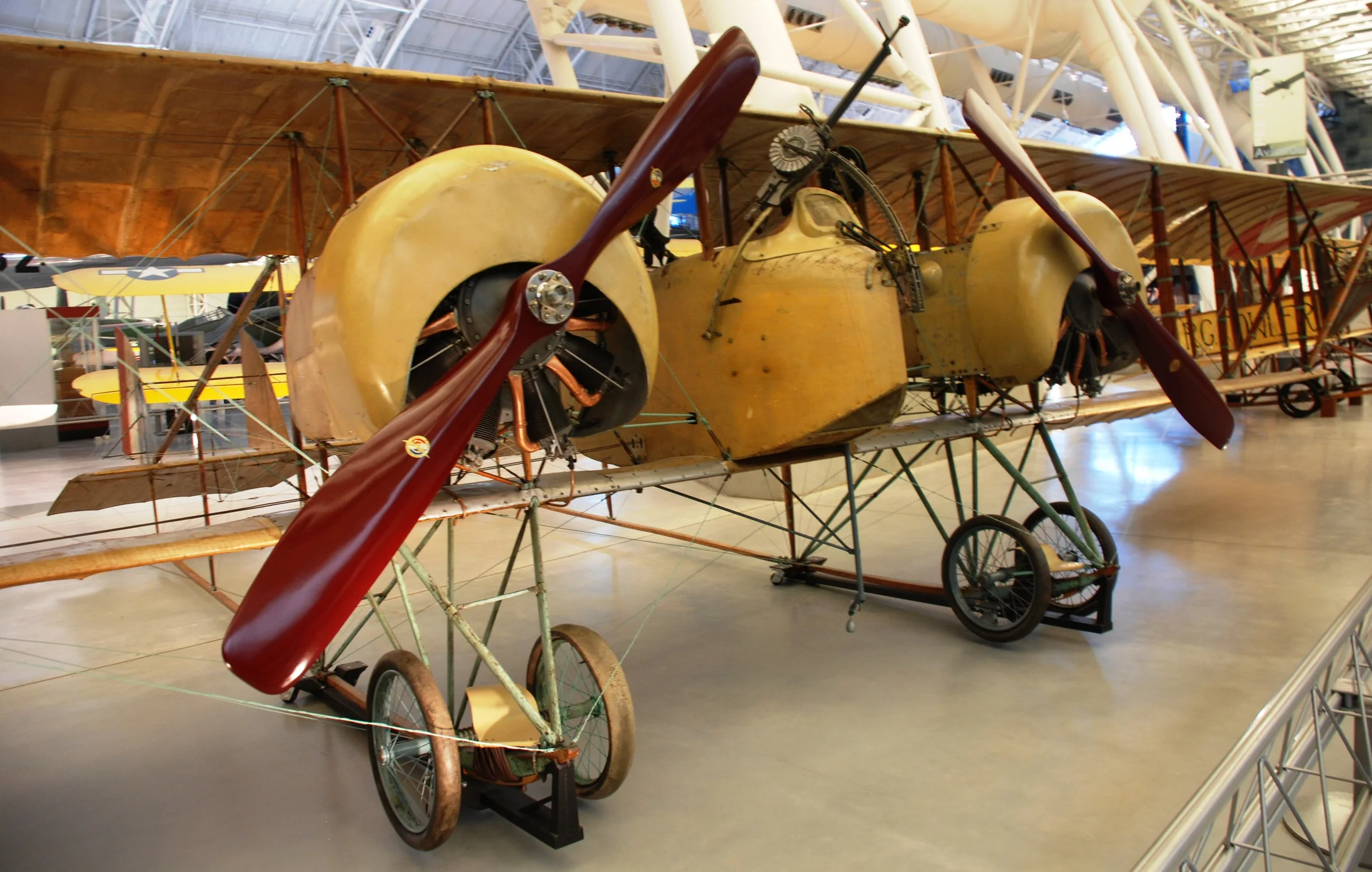
A twin-engine French reconnaissance and light-bomber aircraft that became an important early multi-engine combat type and served widely with Allied forces.
Open aircraft profile →
An early military monoplane family whose use in the Italo-Turkish War included the first aerial bombing attack in 1911, making it important to the pre-World War I origins of combat aviation.
Open aircraft profile →
A high-performance British light bomber introduced in the 1920s and later developed extensively for export and Belgian service.
Open aircraft profile →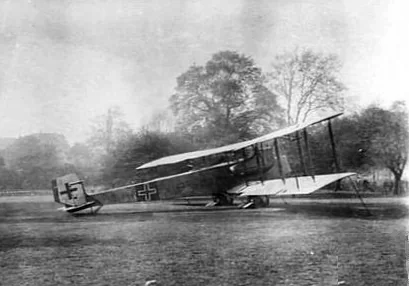
A German twin-engine heavy bomber family developed for long-range operations and used extensively in late-war bombing units.
Open aircraft profile →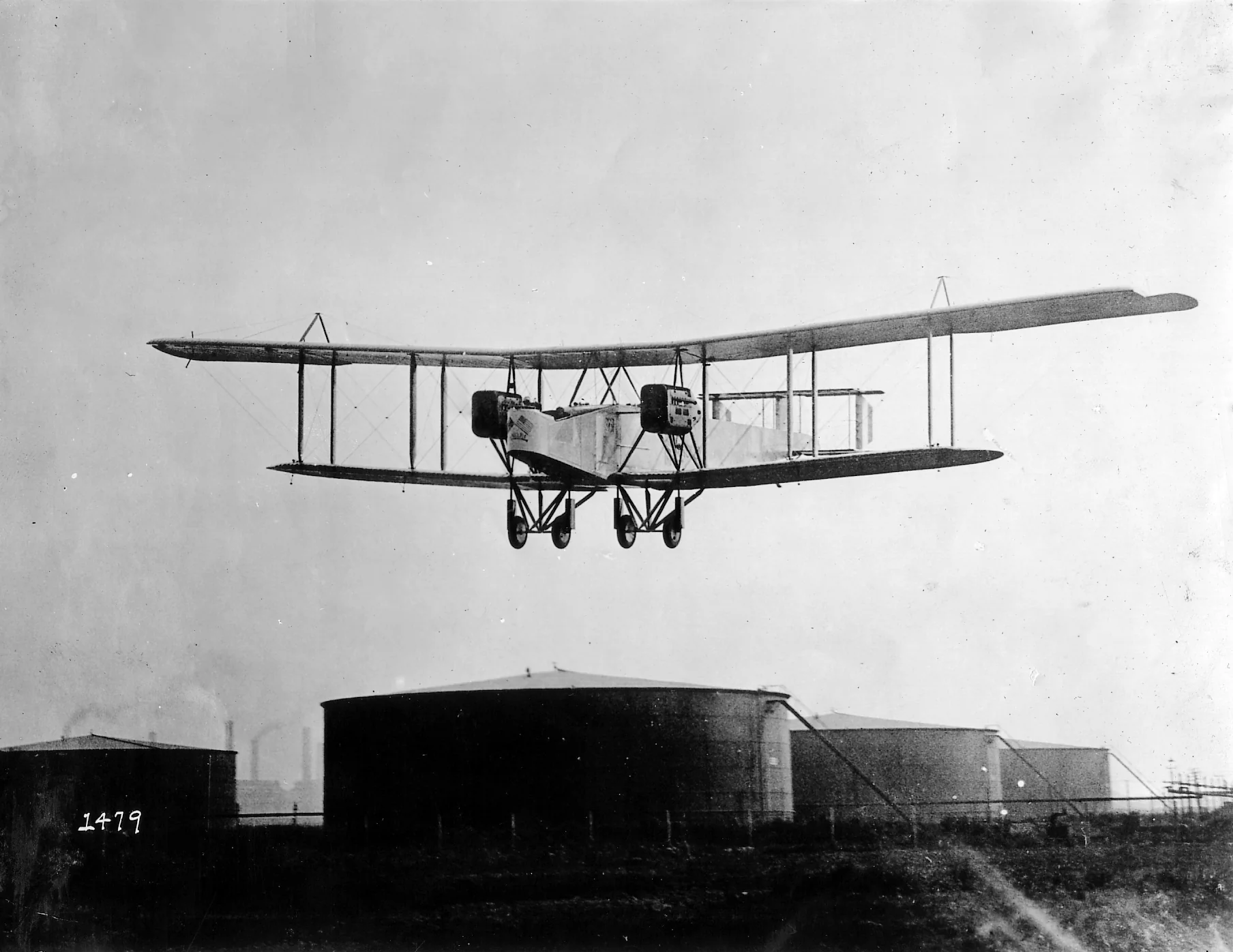
A British twin-engine heavy-bomber family developed from the O/100 into the improved O/400, which became the standard British heavy bomber during the final year of World War I.
Open aircraft profile →
The first U.S.-designed bomber produced in large numbers, serving as the Army Air Service’s principal multi-engine bomber in the early 1920s.
Open aircraft profile →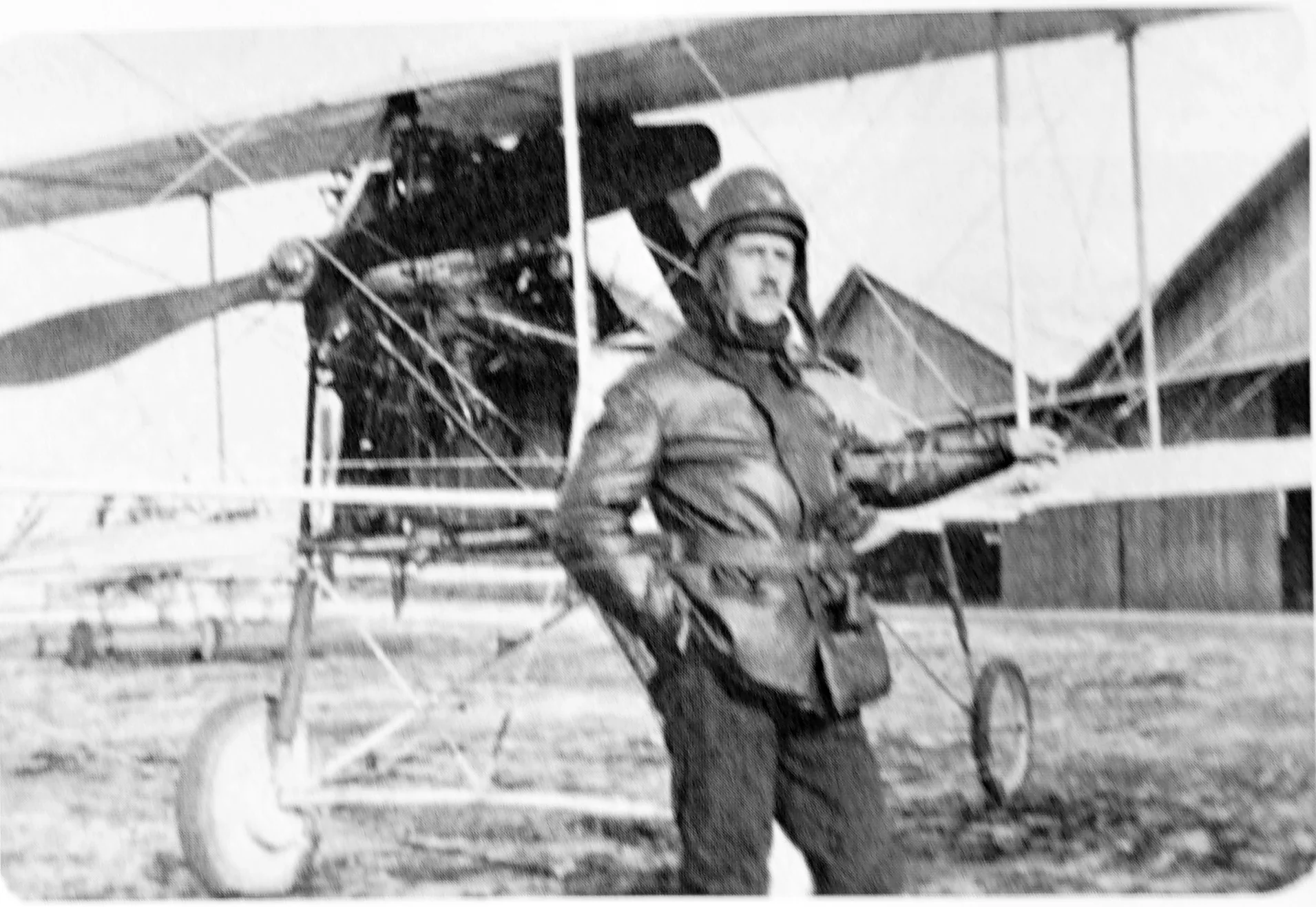
An early French pusher combat aircraft used for reconnaissance and bombing; the type also took part in the first recorded armed aerial victory of World War I and equipped early dedicated bomber units.
Open aircraft profile →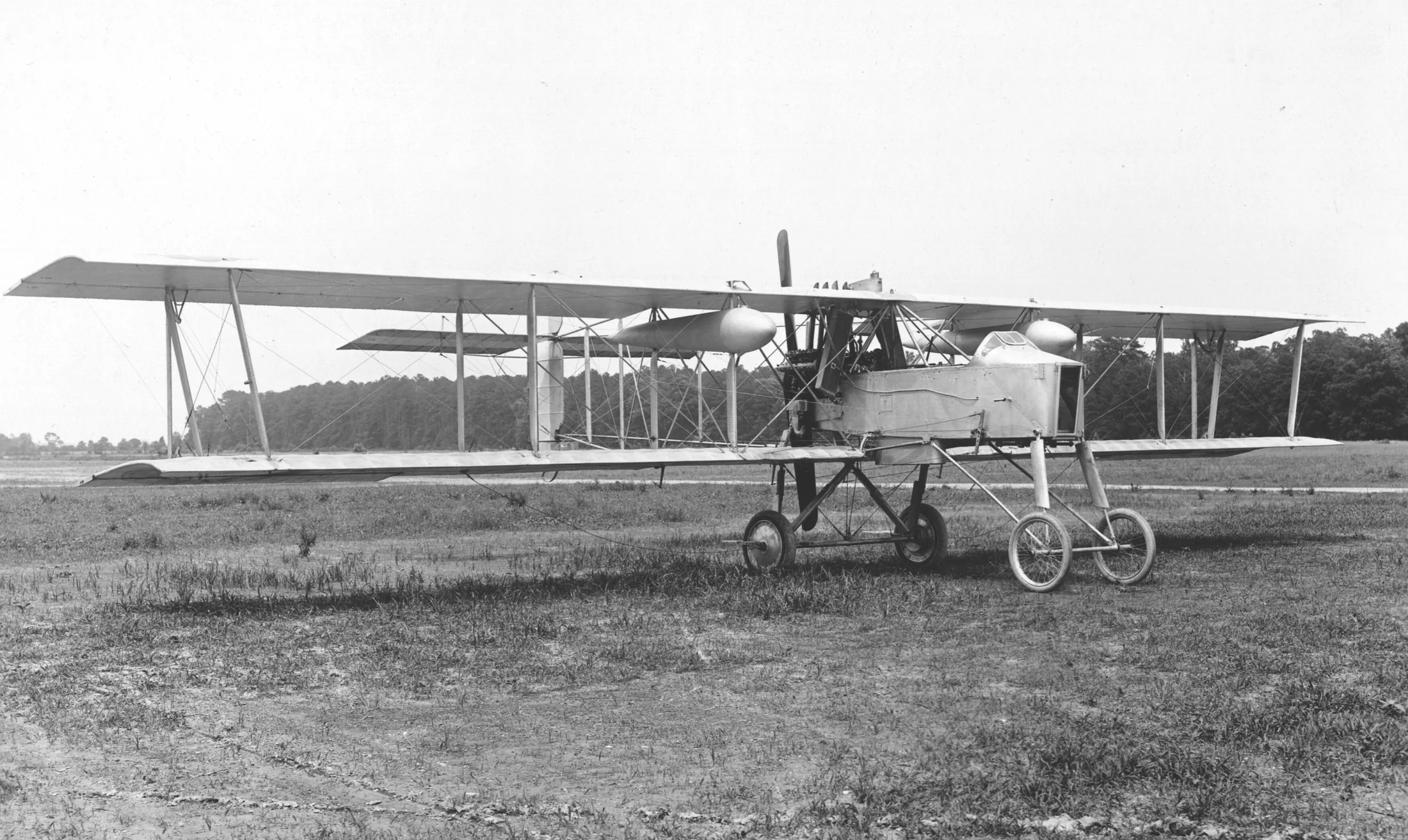
A French pusher night bomber that continued the Voisin wartime combat-aircraft line and entered service with French night-bombing squadrons in 1916.
Open aircraft profile →